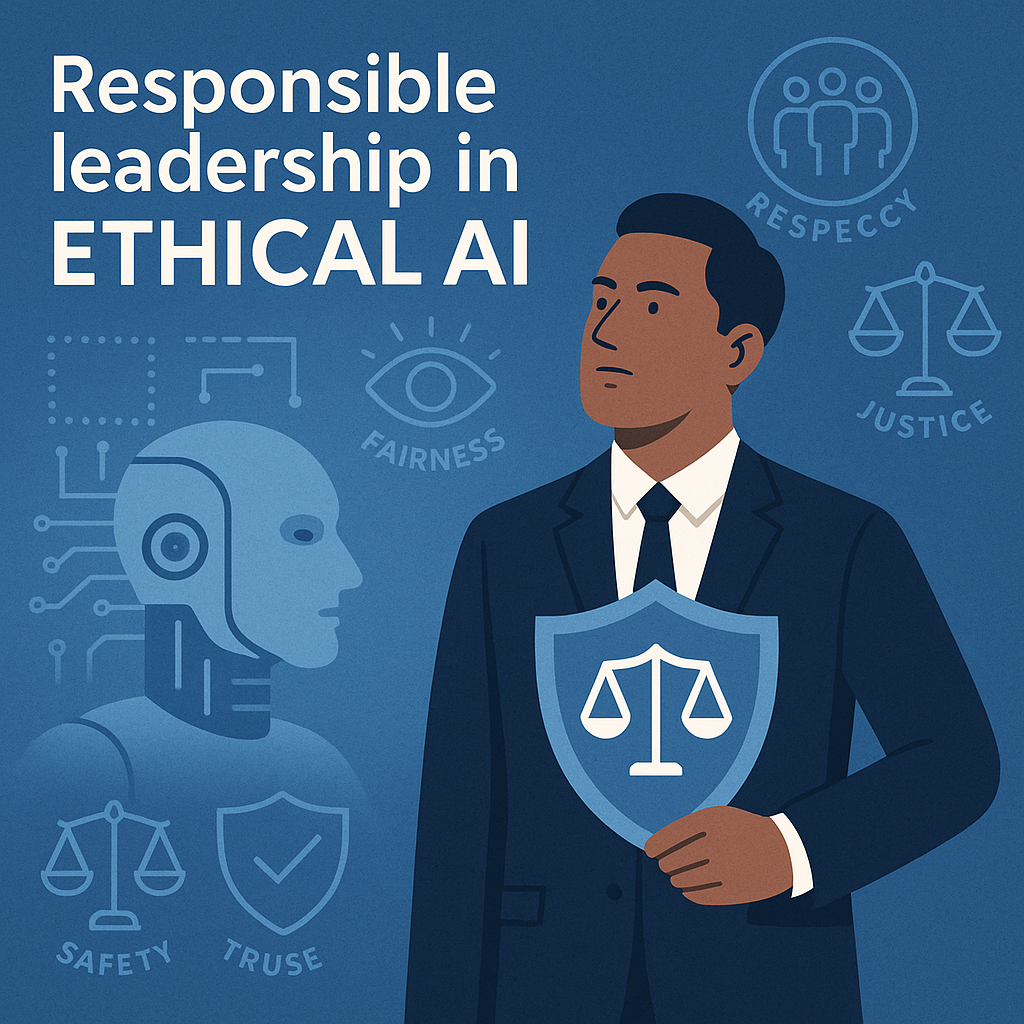
AI and Ethics: Navigating the Future of Technology
The rapid advancement of artificial intelligence (AI) has brought about transformative changes across various sectors, from healthcare to finance. However, as AI systems become more integrated into everyday life, ethical considerations have come to the forefront. Addressing these concerns is crucial to ensuring that AI technologies are developed and deployed responsibly.
The Importance of Ethical AI
Ethical AI refers to the development and implementation of AI systems in a manner that aligns with moral principles and societal values. It is essential for several reasons:
- Trust: For AI systems to be widely adopted, they must be trustworthy. Ensuring ethical standards helps build public confidence in these technologies.
- Fairness: AI systems should not perpetuate or exacerbate existing biases. Ethical guidelines can help mitigate discrimination and promote fairness.
- Accountability: As AI systems make decisions that impact human lives, it is vital to establish clear accountability mechanisms.
Key Ethical Challenges in AI
Several ethical challenges arise with the use of AI technologies:
Bias and Discrimination
AI systems learn from data, which can contain biases reflecting societal inequalities. If not addressed, these biases can lead to discriminatory outcomes in areas like hiring or law enforcement.
Privacy Concerns
The use of AI often involves processing large amounts of personal data. Ensuring privacy and protecting user data are paramount concerns that require stringent safeguards.
Lack of Transparency
“Black box” algorithms make it difficult for users to understand how decisions are made by AI systems. Enhancing transparency is necessary for accountability and trust.
Navigating Ethical Solutions
Tackling the ethical challenges associated with AI requires a multi-faceted approach:
- Diverse Data Sets: Using diverse data sets can help minimize bias in training models, leading to fairer outcomes.
- Regulation and Standards: Governments and industry bodies need to develop regulations and standards that guide ethical AI use.
- User Education: Educating users about how AI works empowers them to make informed decisions regarding its use.
- Cultural Considerations: Recognizing cultural differences ensures that ethical frameworks are globally applicable while respecting local norms.
The Road Ahead
The journey toward ethical AI is ongoing, requiring collaboration between technologists, ethicists, policymakers, and society at large. By prioritizing ethics in the development of artificial intelligence, we can harness its potential while safeguarding human rights and dignity. As we continue to innovate, it is imperative that ethics remain at the core of our technological advancements.
7 Essential Tips for Navigating AI and Ethics Responsibly
- Understand the ethical implications of AI technology.
- Ensure transparency in AI algorithms and decision-making processes.
- Protect user privacy and data security when developing AI systems.
- Avoid bias in AI systems by ensuring diverse datasets and inclusive development practices.
- Consider the impact of AI on job displacement and economic inequality.
- Establish clear guidelines for the responsible use of AI technology.
- Incorporate ethical considerations into every stage of the AI development process.
Understand the ethical implications of AI technology.
Understanding the ethical implications of AI technology is crucial as it becomes increasingly embedded in our daily lives. As AI systems are deployed across various sectors, they have the potential to significantly impact society, both positively and negatively. By comprehending these implications, developers and users can identify potential biases, privacy concerns, and accountability issues that may arise. This awareness allows for the creation of more equitable and transparent AI systems that respect human rights and promote fairness. Moreover, understanding these ethical dimensions helps stakeholders make informed decisions about AI deployment, ensuring that technological advancements benefit society as a whole while minimizing harm.
Ensure transparency in AI algorithms and decision-making processes.
Transparency in AI algorithms and decision-making processes is crucial for building trust and accountability in AI systems. By making these processes clear and understandable, stakeholders can gain insights into how decisions are made, which is essential for identifying potential biases and errors. Transparent AI systems allow users to see the criteria and data influencing outcomes, enabling them to challenge or question decisions when necessary. This openness not only fosters public confidence but also encourages ethical practices by holding developers accountable for their algorithms’ impacts. Ultimately, ensuring transparency helps bridge the gap between complex technological systems and the individuals affected by their decisions, promoting fairness and integrity in AI applications.
Protect user privacy and data security when developing AI systems.
In the development of AI systems, protecting user privacy and ensuring data security are paramount. As AI technologies often rely on vast amounts of personal data to function effectively, it is crucial to implement robust measures that safeguard this information from unauthorized access and misuse. This includes employing advanced encryption techniques, maintaining strict access controls, and ensuring transparency about data collection practices. Furthermore, developers should prioritize minimizing data usage by only collecting information necessary for the system’s intended purpose. By taking these steps, developers not only comply with legal regulations but also build trust with users, who are increasingly concerned about how their personal information is handled in the digital age.
Avoid bias in AI systems by ensuring diverse datasets and inclusive development practices.
Avoiding bias in AI systems is crucial for creating fair and equitable technologies, and this can be achieved by ensuring diverse datasets and inclusive development practices. When training AI models, it’s important to use datasets that represent a wide range of demographics, backgrounds, and perspectives. This diversity helps prevent the perpetuation of existing biases and ensures that AI systems perform well across different groups. Additionally, involving a diverse team of developers in the creation process can provide varied insights and challenge assumptions, leading to more balanced outcomes. By prioritizing inclusivity from the outset, AI systems can be designed to serve all users fairly and equitably.
Consider the impact of AI on job displacement and economic inequality.
As AI technologies continue to evolve and automate various tasks, there is growing concern about their impact on job displacement and economic inequality. While AI can enhance productivity and create new opportunities, it also poses the risk of rendering certain jobs obsolete, particularly those involving routine or manual tasks. This shift could disproportionately affect workers in lower-skilled positions, exacerbating economic inequality. To address these challenges, it is essential to implement strategies such as reskilling and upskilling programs that prepare the workforce for the changing job landscape. Additionally, policymakers and businesses must collaborate to create inclusive economic policies that ensure the benefits of AI are distributed equitably across society, minimizing adverse effects on vulnerable populations.
Establish clear guidelines for the responsible use of AI technology.
Establishing clear guidelines for the responsible use of AI technology is crucial to ensuring that these systems are developed and deployed in ways that align with societal values and ethical principles. Such guidelines provide a framework for developers, businesses, and policymakers to follow, helping to mitigate potential risks associated with AI, such as bias, privacy violations, and lack of accountability. By setting standards for transparency, fairness, and accountability, these guidelines can foster public trust in AI technologies while promoting innovation. Moreover, they ensure that AI systems are used to enhance human well-being rather than undermine it. Clear guidelines also facilitate international cooperation by providing a common language and set of expectations for ethical AI practices across different regions and cultures.
Incorporate ethical considerations into every stage of the AI development process.
Incorporating ethical considerations into every stage of the AI development process is crucial for creating systems that are not only innovative but also responsible and fair. From the initial design phase to deployment and beyond, integrating ethics ensures that potential biases are identified early, privacy concerns are addressed, and transparency is maintained. By embedding ethical guidelines throughout the lifecycle of AI development, developers can proactively mitigate risks and enhance accountability. This approach fosters trust among users and stakeholders, ultimately leading to AI technologies that align with societal values and contribute positively to the community.