Exploring Samsung’s Innovations in Artificial Intelligence
Samsung, a global leader in technology, has been at the forefront of integrating artificial intelligence (AI) into its products and services. With a commitment to enhancing user experiences and pushing the boundaries of innovation, Samsung’s AI initiatives span across various domains, from smartphones to smart homes.
AI in Samsung Smartphones
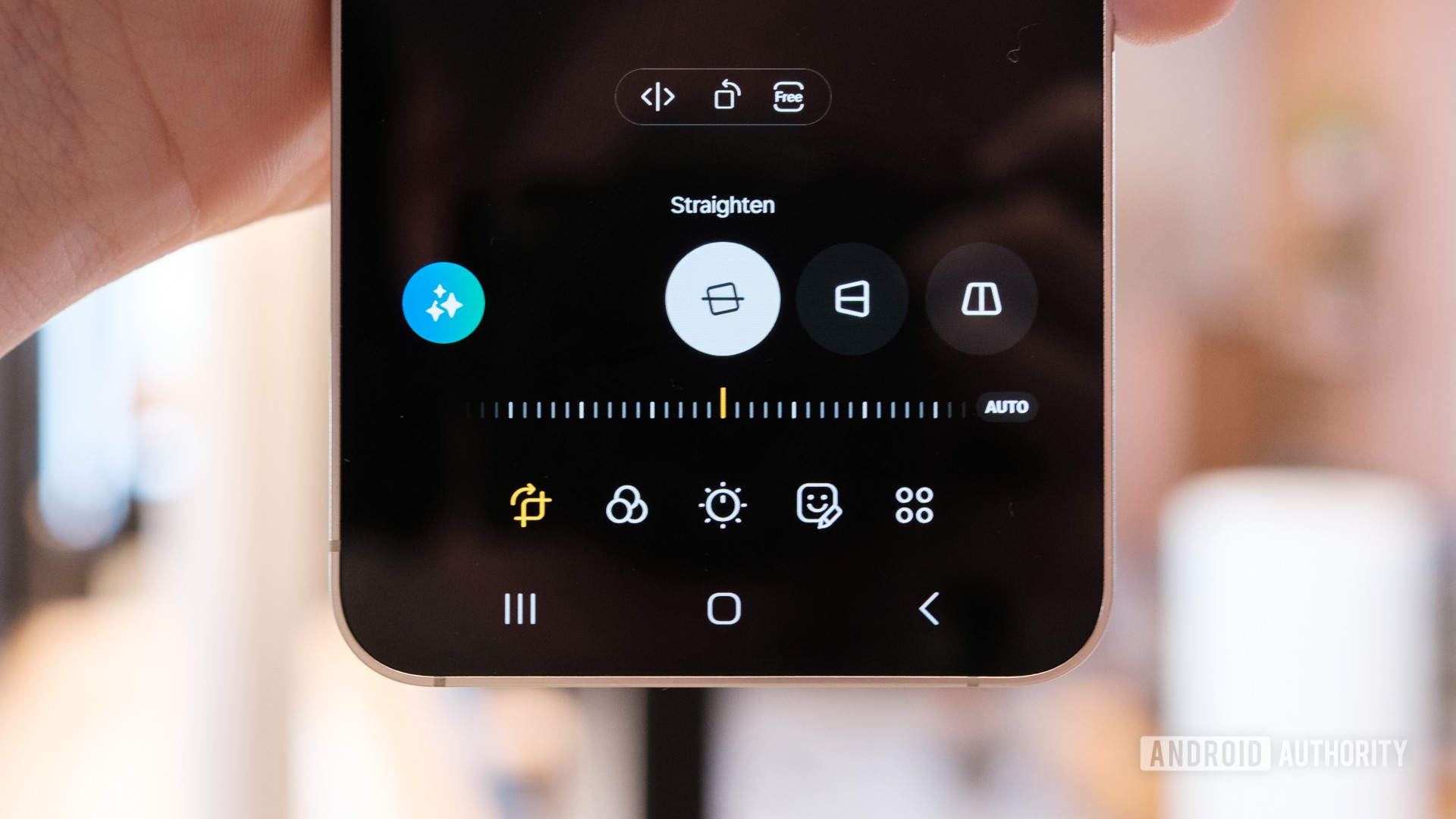
Samsung has incorporated AI into its smartphones to offer users smarter and more intuitive features. The company’s flagship Galaxy series boasts AI-powered cameras that can recognize scenes and optimize settings for the best possible shots. Additionally, Samsung’s virtual assistant, Bixby, allows users to interact with their devices using natural language processing, making it easier to perform tasks hands-free.
Smart Home Solutions
Beyond mobile devices, Samsung is leveraging AI to transform home living through its SmartThings platform. This ecosystem connects various smart devices within the home, enabling seamless automation and control through AI-driven insights. For instance, AI can learn a user’s preferences over time and adjust lighting or temperature settings accordingly.
AI in Consumer Electronics
In consumer electronics, Samsung is utilizing AI to enhance user experience and product performance. Their QLED TVs use AI-based upscaling technology to improve picture quality by analyzing content on a pixel-by-pixel basis. This results in sharper images with enhanced detail and color accuracy.
The Future of AI at Samsung
Looking ahead, Samsung continues to invest heavily in AI research and development. The company has established several global AI centers dedicated to advancing machine learning technologies. These efforts aim not only at improving existing products but also at exploring new applications of AI across different sectors such as healthcare and automotive.
Sustainability Through AI
Samsung is also exploring how AI can contribute to sustainability efforts. By optimizing energy consumption in appliances or improving logistics through intelligent data analysis, Samsung seeks ways to reduce environmental impact while maintaining efficiency.
Conclusion
As artificial intelligence becomes increasingly integral to technological advancements, Samsung remains committed to harnessing its potential for creating meaningful innovations. With ongoing investments in research and development coupled with a focus on user-centric solutions, Samsung is poised to continue leading the charge in integrating AI into everyday life.
Top 5 Benefits of Samsung AI: Elevating User Experience and Technology
- Enhances user experience through intuitive features
- Improves camera performance with AI-powered optimizations
- Enables hands-free interaction with virtual assistant Bixby
- Facilitates seamless automation in smart home environments
- Enhances picture quality in consumer electronics like QLED TVs
6 Drawbacks of Samsung AI: Privacy, Connectivity, and More
- Privacy Concerns
- Dependency on Connectivity
- Limited Compatibility
- Overreliance on Automation
- Learning Curve
- Potential Malfunctions
Enhances user experience through intuitive features
Samsung’s AI technology significantly enhances user experience by incorporating intuitive features that make interactions more seamless and personalized. By leveraging advanced machine learning algorithms, Samsung devices can adapt to individual user preferences and behaviors over time. For instance, AI-powered cameras in Samsung smartphones automatically adjust settings to capture the best possible image based on the scene and lighting conditions. Additionally, the Bixby virtual assistant allows users to perform tasks effortlessly through voice commands, understanding context and providing relevant suggestions. These intuitive features not only simplify daily tasks but also create a more engaging and efficient user interface, making technology feel more human-centered and responsive to individual needs.
Improves camera performance with AI-powered optimizations
Samsung’s AI-powered optimizations significantly enhance camera performance, offering users a seamless photography experience. By leveraging artificial intelligence, Samsung devices can intelligently recognize scenes, adjust settings, and optimize image quality in real-time. This results in stunning photos with improved clarity, color accuracy, and overall visual appeal. Whether capturing landscapes, portraits, or low-light scenarios, Samsung’s AI-driven camera enhancements ensure that users can effortlessly capture memorable moments with professional-level results.
Enables hands-free interaction with virtual assistant Bixby
Samsung’s AI-powered virtual assistant, Bixby, significantly enhances user convenience by enabling hands-free interaction with devices. This feature allows users to perform a wide range of tasks through simple voice commands, making it easier to manage daily activities without needing to physically handle their phones or other devices. Whether it’s setting reminders, sending messages, or controlling smart home devices, Bixby’s voice recognition capabilities ensure that users can multitask efficiently and safely, even when their hands are occupied. By understanding natural language and learning from user preferences over time, Bixby provides a personalized and seamless experience that adapts to individual needs.
Facilitates seamless automation in smart home environments
Samsung’s AI technology plays a pivotal role in facilitating seamless automation within smart home environments. By integrating AI with its SmartThings platform, Samsung enables various devices to communicate and work together effortlessly. This connectivity allows homeowners to automate daily routines, such as adjusting lighting, controlling thermostats, or managing security systems, all based on personal preferences and behaviors. The AI learns from user interactions over time, creating a more intuitive and personalized living experience. This not only enhances convenience but also contributes to energy efficiency by optimizing device performance and reducing unnecessary usage. Through these innovations, Samsung’s AI transforms homes into intelligent ecosystems that adapt to the needs of their occupants.
Enhances picture quality in consumer electronics like QLED TVs
Samsung’s AI technology significantly enhances picture quality in consumer electronics, particularly in its QLED TVs. By employing advanced AI-based upscaling, Samsung’s televisions analyze content on a pixel-by-pixel basis to deliver sharper images and more vibrant colors. This sophisticated process involves the use of machine learning algorithms that can recognize patterns and intelligently fill in details, transforming lower-resolution content into near-4K or 8K quality. As a result, viewers enjoy an immersive and visually stunning experience, with enhanced clarity and depth that brings every scene to life. This commitment to superior picture quality underscores Samsung’s dedication to leveraging AI for delivering exceptional viewing experiences.
Privacy Concerns
Samsung’s AI technologies, while offering enhanced personalization and user experiences, also raise significant privacy concerns. These technologies rely on collecting and analyzing vast amounts of user data to tailor services and improve functionality. This data can include personal information, usage patterns, and even voice recordings, which may be stored on servers for processing. The potential risk lies in how this data is managed, shared, and protected from unauthorized access or breaches. Users may worry about their privacy being compromised if adequate safeguards are not in place to ensure that sensitive information remains confidential and is used responsibly. As AI continues to evolve within Samsung’s ecosystem, addressing these privacy concerns is crucial to maintaining user trust and ensuring compliance with global data protection regulations.
Dependency on Connectivity
One notable drawback of Samsung’s AI features is their dependency on internet connectivity. Many of the advanced functionalities, such as real-time language translation and cloud-based data processing, require a stable network connection to operate effectively. This reliance can be problematic in areas with poor or inconsistent network coverage, limiting the usability of these AI-driven features. Users in such regions may experience interruptions or reduced performance, which can diminish the overall experience and convenience that Samsung’s AI technologies are designed to provide. As a result, while these features offer significant benefits in well-connected environments, they may not deliver the same value in locations where connectivity is an issue.
Limited Compatibility
One notable drawback of Samsung’s AI integration is the limited compatibility of certain functionalities with older devices. As AI technology advances, newer models are equipped with the necessary hardware and software to support these innovations fully. However, users with older Samsung devices may find that they cannot access all the latest AI features, such as enhanced camera capabilities or advanced virtual assistant functions. This limitation often necessitates an upgrade to a more recent model to experience the full range of AI-driven enhancements. Consequently, this can be frustrating for users who are otherwise satisfied with their current devices but wish to benefit from the latest technological advancements without incurring additional costs.
Overreliance on Automation
One potential downside of Samsung’s AI-driven automation is the risk of users feeling a loss of control or autonomy. As AI systems become more sophisticated and capable of handling tasks independently, users may find themselves relying heavily on automated processes, which can lead to a sense of detachment from their own decision-making. For instance, when smart home devices automatically adjust settings or smartphones predict user behavior without explicit input, individuals might feel that their preferences and choices are being overshadowed by algorithms. This overreliance on automation could diminish users’ sense of agency and involvement in everyday activities, potentially leading to frustration or discomfort with the technology intended to simplify their lives.
Learning Curve
One of the challenges associated with Samsung’s AI features is the learning curve that users may encounter when trying to fully understand and maximize their potential. While these AI-driven functionalities are designed to enhance user experience, they often come with a level of complexity that requires users to invest time in learning how to use them effectively. For instance, mastering the capabilities of Bixby or optimizing smart home devices through the SmartThings platform can be daunting for those unfamiliar with advanced technology. As a result, users might initially feel overwhelmed by the array of options and settings available, which could hinder their ability to take full advantage of the benefits these AI features offer.
Potential Malfunctions
Potential malfunctions in Samsung’s AI systems present a notable concern, as they can disrupt the seamless user experience that the company strives to provide. Like any advanced technology, AI systems are susceptible to glitches that may arise from software bugs, unexpected interactions with other technologies, or even user error. These malfunctions can lead to issues such as incorrect data processing, unresponsive virtual assistants, or miscommunication between connected devices. While Samsung invests significantly in quality assurance and system testing to minimize these risks, the complexity of AI technology means that occasional disruptions are inevitable. Users may find these interruptions frustrating, particularly when they occur during critical tasks or when relying on AI for essential functions within their smart homes or mobile devices.