The Art of the Interview: Capturing Stories Through Conversation
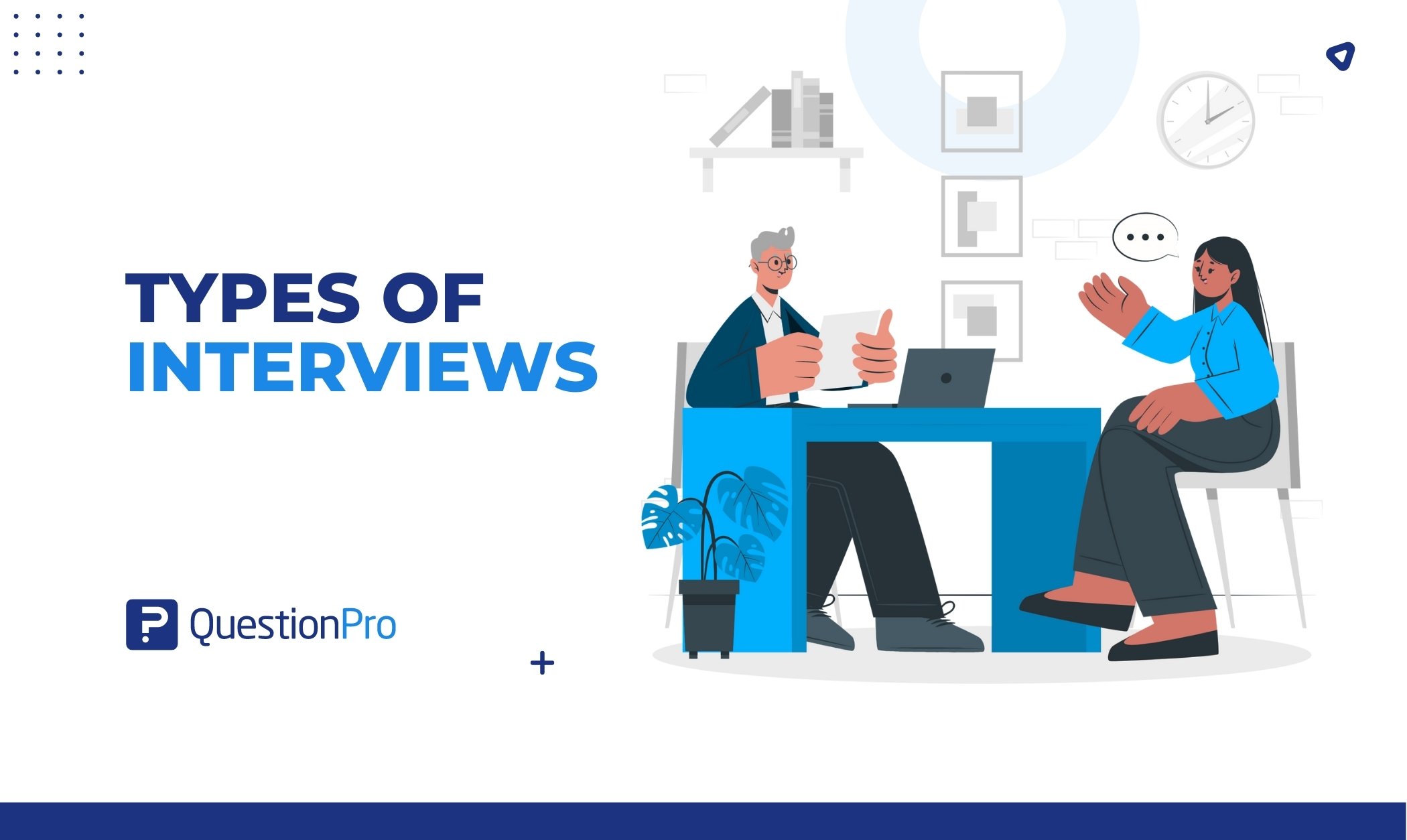
Interviews are a powerful tool for capturing stories, insights, and experiences. Whether conducted for journalistic purposes, research studies, or personal projects, interviews provide a platform for individuals to share their perspectives and narratives.
At the heart of a successful interview lies the art of conversation. A skilled interviewer knows how to ask probing questions that elicit thoughtful responses and uncover hidden depths. The ability to listen actively and empathetically is crucial in building rapport and creating a space where interviewees feel comfortable sharing their stories.
Preparation is key in conducting a meaningful interview. Researching the background of the interviewee and familiarizing oneself with the topic at hand can help guide the conversation in a direction that uncovers valuable insights. Setting clear objectives and structuring the interview with a logical flow can ensure that important points are covered.
During the interview itself, it is essential to strike a balance between structure and spontaneity. While having prepared questions is important, remaining flexible and allowing the conversation to evolve naturally can lead to unexpected discoveries and enriching exchanges.
Non-verbal cues play a significant role in communication during an interview. Paying attention to body language, facial expressions, and tone of voice can provide valuable cues about the emotions and sentiments underlying the spoken words. Building trust through active listening and genuine interest can foster deeper connections with interviewees.
After the interview is concluded, careful consideration should be given to how the collected information will be presented or utilized. Transcribing interviews accurately, maintaining confidentiality when necessary, and respecting the perspectives shared by interviewees are all integral aspects of ethical interviewing practices.
In essence, interviews offer a window into diverse worlds and perspectives. By honing our skills as interviewers and approaching each conversation with curiosity and respect, we have the opportunity to capture stories that resonate with audiences, illuminate new ideas, and foster understanding in an ever-changing world.
5 Essential Tips for Acing Your Next Job Interview
- Research the company and position before the interview.
- Practice common interview questions to prepare your answers.
- Dress professionally and arrive on time for the interview.
- Show enthusiasm and confidence during the interview.
- Follow up with a thank-you email after the interview.
Research the company and position before the interview.
Before heading into an interview, it is crucial to conduct thorough research on the company and the position you are applying for. Understanding the company’s values, mission, recent projects, and industry trends not only demonstrates your interest and preparedness but also allows you to tailor your responses effectively. By familiarizing yourself with the specific requirements of the position and how your skills align with them, you can confidently showcase your qualifications and demonstrate why you are a strong fit for the role. Researching the company and position beforehand shows your dedication to the opportunity and sets a solid foundation for a successful interview.
Practice common interview questions to prepare your answers.
To enhance your readiness for an interview, it is advisable to practice responding to common interview questions. By familiarizing yourself with typical queries that may arise during the interview process, you can refine your answers, boost your confidence, and effectively convey your qualifications and experiences to potential employers. Practicing responses to common interview questions enables you to articulate your thoughts clearly and concisely, ensuring that you are well-prepared to address key points that may influence the outcome of the interview.
Dress professionally and arrive on time for the interview.
It is essential to make a positive first impression during an interview by dressing professionally and arriving on time. Your choice of attire reflects your respect for the opportunity and the professionalism you bring to the table. Arriving punctually not only demonstrates your reliability but also shows that you value the interviewer’s time. By presenting yourself in a polished manner and showing up promptly, you set the stage for a successful interview experience that highlights your preparedness and commitment to the position.
Show enthusiasm and confidence during the interview.
During an interview, it is essential to show enthusiasm and confidence as they can leave a lasting impression on the interviewer. Demonstrating genuine excitement about the opportunity and showcasing confidence in your abilities can convey a strong sense of professionalism and competence. By exuding enthusiasm, you not only display your passion for the role but also engage the interviewer more effectively. Confidence, on the other hand, instills trust in your capabilities and demonstrates that you are well-prepared and self-assured. Together, enthusiasm and confidence can help you stand out positively during the interview process and leave a memorable impact on those evaluating your candidacy.
Follow up with a thank-you email after the interview.
Following up with a thank-you email after an interview is a simple yet impactful gesture that can leave a lasting impression on the interviewer. Expressing gratitude for the opportunity to discuss the role and reiterating your interest in the position demonstrates professionalism and courtesy. Additionally, a well-crafted thank-you email allows you to reinforce key points discussed during the interview, showcase your enthusiasm for the role, and emphasize your qualifications. By sending a personalized thank-you message, you not only show appreciation for the interviewer’s time but also stand out as a thoughtful candidate who values effective communication and follow-up etiquette.