
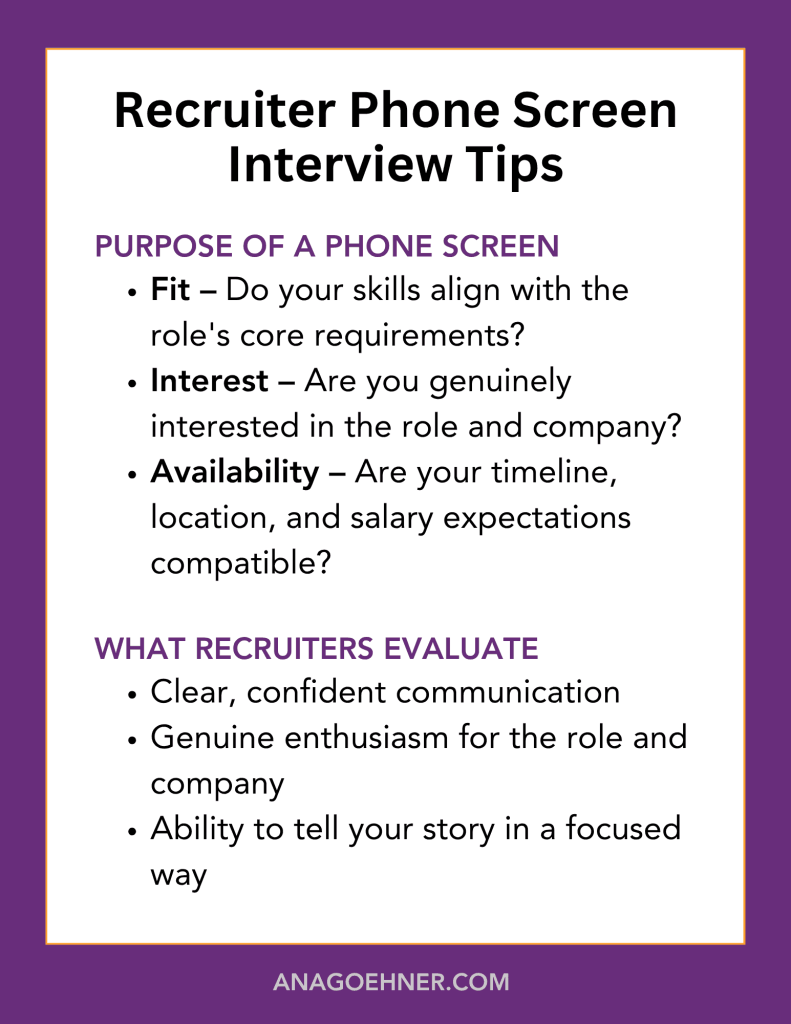
Phone Interview Tips: How to Make a Strong First Impression
A phone interview may be brief, but it can play an important role in the hiring process. Employers use these conversations to learn about your experience, hear how you communicate, and decide whether to move you forward. With a little preparation, you can sound confident, focused, and engaged—even when the interviewer can’t see you.
Before the Interview
Choose a quiet place
Take the call somewhere with reliable reception and minimal background noise. Let the people around you know you’ll be interviewing, silence notifications, and keep pets or other distractions away if possible. If you’re using a mobile phone, make sure it’s charged and that you know where you’ll get a steady signal.
Review the job description and your application
Read the job posting again and identify the skills and experience the employer emphasizes. Review your résumé and be ready to explain the work history, accomplishments, and qualifications you included. Keep the job description and a copy of your résumé nearby for reference.
Learn about the company
Spend some time reviewing the company’s website, products or services, and recent news. You don’t need to memorize every detail. The goal is to understand what the organization does and why the role interests you.
Prepare concise examples
Think of a few examples that show how you have solved problems, worked with others, handled challenges, or achieved results. A simple structure can help you stay organized: describe the situation, explain what you did, and share the outcome. Keep each example focused on the skills relevant to the job.
Test your phone and surroundings
Check your battery, reception, and audio settings ahead of time. If you’re using headphones, test them first. Keep a glass of water, a pen, and paper nearby, and plan to be ready a few minutes before the scheduled call.
During the Interview
Answer professionally
Use a clear, friendly greeting when you answer. If the call comes at the scheduled time, you might say, “Hello, this is Jordan.” Avoid answering in a noisy place or while doing something else. If the interviewer asks whether it’s still a good time to talk, confirm that you’re ready.
Speak clearly and at a steady pace
Phone calls can make it harder to pick up on tone and expression, so speak clearly and avoid rushing. Pause briefly before answering a question to collect your thoughts. It’s fine to take a moment rather than filling every silence with “um” or “like.”
Listen closely
Give the interviewer your full attention. Don’t interrupt, and make sure you understand the question before responding. If you need clarification, ask politely: “Could you say a little more about what you mean by that?”
Keep answers focused
Aim to answer the question directly, then add a relevant example or detail. Long, unfocused responses can make it difficult for the interviewer to follow your main point. If you’re unsure whether you’ve covered enough, you can ask, “Would you like me to give an example?”
Show interest through your voice
Because the interviewer can’t see you, your tone helps communicate enthusiasm and professionalism. Sit or stand in a comfortable, alert posture, and smile naturally when appropriate—it can help your voice sound warmer. Avoid multitasking, eating, or walking around if it affects your focus or audio.
Be honest about what you don’t know
If you don’t have experience with a particular tool or task, don’t exaggerate. Explain what related experience you do have and how you would approach learning the skill. A clear, honest answer is stronger than a claim you may not be able to support.
Questions You May Be Asked
Phone interviews often include questions such as:
- Can you tell me about yourself?
- What interests you about this position?
- Why are you considering a change?
- What experience do you have that relates to this role?
- What are your salary expectations?
- When would you be available to start?
Prepare a brief answer to each question, but avoid memorizing a script word for word. A few notes or key points can help you stay on track while still sounding natural.
Ask a Few Thoughtful Questions
Most interviews include time for your questions. Choose two or three that will help you understand the role and next steps. For example:
- What would the person in this role focus on during the first few months?
- How does the team work together?
- What are the next steps in the interview process?
Listen to the answers and ask a follow-up if something needs clarification. If the interviewer has already answered one of your questions, choose another rather than asking it again.
If Something Goes Wrong
Calls can drop, background noise can happen, and technology doesn’t always cooperate. If you lose the connection, call back as soon as you can. If the interviewer can’t hear you, calmly explain the issue and suggest a practical fix, such as switching to another phone number. A brief, composed response is usually enough.
After the Interview
Write down any useful details while they’re fresh, including the interviewer’s name, the topics discussed, and the expected timeline. Send a brief thank-you email within a day. Mention something specific from the conversation, restate your interest, and thank the interviewer for their time.
Final Checklist
- Confirm the interview time, time zone, and callback number.
- Find a quiet spot and test your phone or headset.
- Review the job posting, your résumé, and the company’s website.
- Keep brief notes and a few questions nearby.
- Speak clearly, listen carefully, and keep your answers focused.
- Send a short thank-you message afterward.
A successful phone interview doesn’t require perfect answers. Preparation, clear communication, and genuine interest can help you make a strong impression and move confidently to the next stage.
Top 5 Tips for Acing Your Phone Interview: What to Say, How to Succeed, and Key Strategies
- What should I say at the beginning of a phone interview?
- How to successfully pass a phone interview?
- How do you pass a phone interview successfully?
- What is the 10 second rule in an interview?
- What are the 5 C’s of interviewing?
What should I say at the beginning of a phone interview?
At the beginning of a phone interview, answer with a clear, professional greeting, such as, “Hello, this is [Your Name.” If the interviewer introduces themselves, thank them for calling and say you’re glad to speak with them. For example: “Hi, this is [Your Name]. Thanks for calling—I’m looking forward to learning more about the role.” Speak at a comfortable pace, find a quiet place, and let the interviewer guide the conversation.
How to successfully pass a phone interview?
To successfully pass a phone interview, prepare as you would for an in-person meeting: review the job description, learn about the company, and practice concise examples that show how your experience matches the role. Take the call in a quiet place with reliable reception, keep your résumé and a few notes nearby, and answer questions clearly without rushing. Listen carefully, ask for clarification when needed, and show genuine interest through your tone. Before the call ends, ask a thoughtful question about the position or next steps, then send a brief thank-you email afterward.
How do you pass a phone interview successfully?
To pass a phone interview successfully, prepare by reviewing the job description, your résumé, and the company’s background, then practice concise answers to common questions with specific examples from your experience. Take the call in a quiet place with reliable reception, keep your notes nearby, and speak clearly while listening carefully. Show genuine interest, answer honestly, and ask a few thoughtful questions about the role or next steps. After the interview, send a brief thank-you email that reinforces your interest in the position.
What is the 10 second rule in an interview?
The “10-second rule” in an interview is a reminder to pause briefly—about 10 seconds—before answering a question, especially if it’s challenging. The pause gives you time to understand what’s being asked, organize your thoughts, and choose a clear example instead of rushing into an unfocused response. You don’t need to wait exactly 10 seconds; a short, natural pause is enough. If you need more time, say, “That’s a good question—let me think about the best example.”
What are the 5 C’s of interviewing?
The 5 C’s of interviewing are commonly described as communication, confidence, competence, connection, and clarity. Communicate your ideas clearly, show confidence without sounding arrogant, and demonstrate competence with relevant examples of your skills and accomplishments. Build a genuine connection by listening attentively and engaging respectfully with the interviewer, and keep your answers focused and easy to follow. The exact wording can vary, but these principles can help you make a professional impression during a phone interview.