
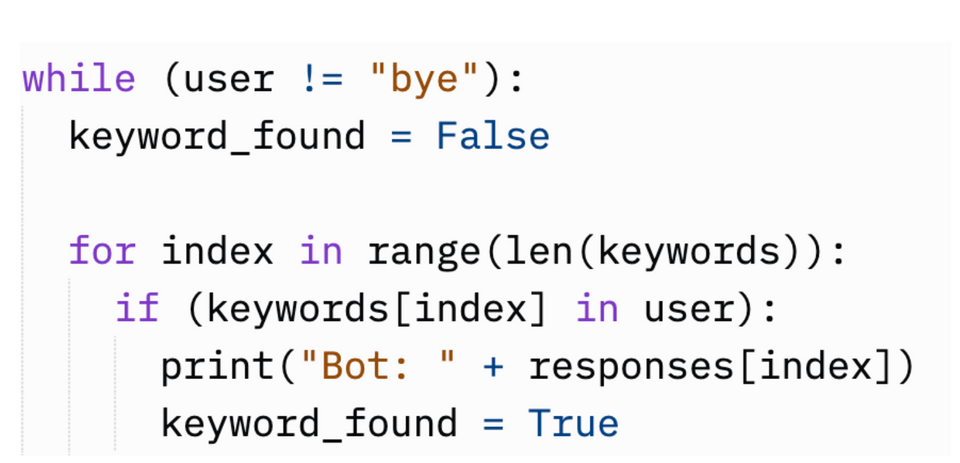
Python for AI: The Language Powering the Future
In recent years, Python has emerged as a dominant force in the field of artificial intelligence (AI). Its simplicity, extensive libraries, and active community make it the go-to language for both beginners and experts in AI development. This article explores why Python is so popular for AI and how it continues to shape the future of technology.
Why Python?
Python’s popularity in AI can be attributed to several key factors:
- Simplicity and Readability: Python’s syntax is clear and concise, making it easy to learn for newcomers. This simplicity allows developers to focus on solving complex problems rather than getting bogged down by intricate language details.
- Extensive Libraries: Python boasts a rich ecosystem of libraries that are essential for AI development. Libraries such as NumPy, Pandas, and SciPy provide robust tools for data manipulation and analysis. Meanwhile, TensorFlow, PyTorch, and Keras offer powerful frameworks for building machine learning models.
- Community Support: With a large and active community, Python users benefit from a wealth of resources including tutorials, forums, and conferences. This support network facilitates collaboration and innovation within the AI field.
Key Libraries for AI
The success of Python in AI is largely due to its comprehensive suite of libraries designed specifically for machine learning and data science tasks:
- TensorFlow: Developed by Google Brain, TensorFlow is an open-source library that provides a flexible platform for building machine learning models. It supports deep learning algorithms and offers tools for deploying models across various platforms.
- Keras: As an API running on top of TensorFlow or Theano, Keras simplifies the process of building neural networks. Its user-friendly interface makes it ideal for rapid prototyping.
- PyTorch: Favored by researchers due to its dynamic computation graph feature, PyTorch allows developers to change network behavior on-the-fly with ease. It is widely used in academic research settings.
- Pandas: For data manipulation and analysis tasks, Pandas offers high-performance data structures that make handling large datasets straightforward and efficient.
The Role of Python in Machine Learning
Machine learning (ML) is a subset of AI that focuses on developing algorithms capable of learning from data. Python’s role in ML is pivotal due to its ability to handle vast amounts of data efficiently while providing powerful tools for model training and evaluation.
The integration between Python’s ML libraries allows developers to build end-to-end solutions seamlessly—from preprocessing raw data with Pandas to training complex neural networks with TensorFlow or PyTorch. This versatility makes Python indispensable in modern ML workflows.
The Future of Python in AI
The future looks promising as more industries adopt AI technologies powered by Python. From healthcare diagnostics using predictive analytics models built with Scikit-learn to autonomous driving systems leveraging deep reinforcement learning frameworks like OpenAI Gym—Python continues playing an integral role across diverse applications.
The ongoing development efforts within both academia and industry ensure that new advancements will keep emerging from this vibrant ecosystem—cementing its position as a cornerstone technology driving innovation forward into uncharted territories where machines learn at unprecedented scales under human guidance enabled through intuitive programming languages such as none other than our beloved “Python.”
7 Frequently Asked Questions About Using Python for AI
- How do I start learning AI in Python?
- How much Python should I learn for AI?
- How Python is used in AI?
- How is Python used in AI?
- Is Python good for making AI?
- Which Python is best for AI?
- Should I use Python or C++ for AI?
How do I start learning AI in Python?
To start learning AI in Python, begin by familiarizing yourself with the basics of Python programming, as a solid understanding of the language is essential. Once comfortable with Python, explore foundational concepts in mathematics and statistics, which are crucial for grasping machine learning algorithms. Next, delve into specialized libraries such as NumPy for numerical computations and Pandas for data manipulation. As you progress, study machine learning libraries like Scikit-learn for implementing basic algorithms and TensorFlow or PyTorch for deep learning models. Online courses, tutorials, and books can provide structured guidance, while engaging in hands-on projects will reinforce your skills. Joining communities and forums can also offer support and insights from other learners and professionals in the field.
How much Python should I learn for AI?
To effectively use Python for AI, it’s crucial to have a solid understanding of the language’s fundamentals, including data types, control structures, functions, and object-oriented programming. Beyond the basics, familiarity with key libraries such as NumPy for numerical computations and Pandas for data manipulation is essential. Additionally, understanding how to leverage machine learning libraries like TensorFlow or PyTorch will significantly enhance your ability to build and deploy AI models. While deep expertise isn’t necessary to start working on AI projects, a comprehensive grasp of these tools and concepts will provide a strong foundation to tackle increasingly complex challenges in the field.
How Python is used in AI?
Python is extensively used in AI due to its versatility and the rich ecosystem of libraries and frameworks it offers. In AI development, Python is employed for tasks ranging from data preprocessing and analysis to building complex machine learning models. Libraries like NumPy and Pandas are used for efficient data manipulation, while TensorFlow, PyTorch, and Keras facilitate the creation and training of neural networks. Python’s simplicity allows developers to quickly prototype ideas and test algorithms, making it ideal for research and development in AI. Additionally, its strong community support ensures that developers have access to a wealth of resources, tutorials, and tools that streamline the AI development process. This combination of features makes Python a powerful language for implementing a wide array of AI applications across various domains.
How is Python used in AI?
Python is widely used in AI due to its simplicity, versatility, and the extensive range of libraries and frameworks it offers. In AI development, Python serves as the backbone for tasks such as data preprocessing, model building, and deployment. Libraries like NumPy and Pandas are essential for handling and manipulating large datasets efficiently. For machine learning models, frameworks such as TensorFlow, PyTorch, and Keras provide powerful tools for creating complex neural networks and deep learning algorithms. Additionally, Python’s natural language processing libraries like NLTK and spaCy enable developers to work with text data effectively. The language’s ability to integrate seamlessly with other technologies and its strong community support further enhance its use in developing cutting-edge AI applications across various domains.
Is Python good for making AI?
Python is an excellent choice for making AI due to its simplicity, versatility, and extensive library support. Its clear and readable syntax allows developers to focus on solving complex AI problems rather than getting bogged down by intricate coding details. Python’s rich ecosystem includes powerful libraries like TensorFlow, PyTorch, and Keras, which streamline the development of machine learning models and neural networks. Additionally, its strong community support provides a wealth of resources and collaborative opportunities for both beginners and experienced professionals. Overall, Python’s combination of ease-of-use and robust capabilities makes it an ideal language for AI development.
Which Python is best for AI?
When considering which version of Python is best for AI, the general recommendation is to use the latest stable release of Python 3. Python 3 offers numerous improvements over Python 2, including enhanced syntax features and better support for modern programming practices, making it more suitable for AI development. Most contemporary libraries and frameworks used in AI, such as TensorFlow, PyTorch, and scikit-learn, are optimized for Python 3, ensuring compatibility and access to the latest features. Additionally, Python 3 continues to receive updates and support from the community, providing a more secure and efficient environment for developing AI applications. Therefore, opting for the latest version of Python 3 ensures that developers can leverage the full capabilities of current tools and technologies in the field of artificial intelligence.
Should I use Python or C++ for AI?
When deciding between Python and C++ for AI development, it largely depends on the specific needs of your project. Python is often favored for AI due to its simplicity, readability, and extensive libraries that streamline the development process. Its dynamic nature and active community support make it ideal for rapid prototyping and experimentation. On the other hand, C++ offers performance advantages with faster execution times, which can be crucial for resource-intensive applications. It provides greater control over system resources, making it suitable for scenarios where efficiency is critical. Ultimately, if ease of use and a rich ecosystem are priorities, Python is the preferred choice. However, if performance and fine-tuned optimization are paramount, C++ might be more appropriate.