The Transformative Role of AI in Retail
Artificial Intelligence (AI) is revolutionizing the retail industry, offering innovative solutions that enhance customer experience, streamline operations, and boost sales. As retailers strive to meet the demands of a digital-savvy consumer base, AI technologies are becoming indispensable tools for success.
Enhancing Customer Experience
One of the most significant impacts of AI in retail is its ability to personalize the shopping experience. Through data analysis and machine learning algorithms, retailers can offer personalized recommendations based on individual customer preferences and shopping history. This level of customization not only increases customer satisfaction but also drives sales by suggesting products that customers are more likely to purchase.
AI-powered chatbots and virtual assistants are also transforming customer service. These tools provide instant support and assistance, answering queries and resolving issues around the clock. By automating routine interactions, retailers can focus on more complex customer inquiries, improving overall service quality.
Optimizing Inventory Management
Inventory management is a critical area where AI is making a substantial impact. Predictive analytics enable retailers to forecast demand with greater accuracy, reducing overstock and stockouts. By analyzing patterns in sales data, AI systems can predict future trends and adjust inventory levels accordingly.
This optimization not only reduces costs associated with excess inventory but also ensures that popular items remain in stock, enhancing customer satisfaction. Additionally, AI-driven supply chain management helps streamline logistics by predicting potential disruptions and suggesting alternative routes or suppliers.
Improving In-Store Operations
In physical stores, AI technologies are enhancing operational efficiency through automation and smart systems. For example, computer vision technology can monitor foot traffic patterns within stores to optimize product placement and store layout for maximum engagement.
Moreover, autonomous robots are being employed for tasks such as restocking shelves or cleaning floors. These robots free up staff to focus on providing personalized service to customers while maintaining a clean and organized retail environment.
The Future of AI in Retail
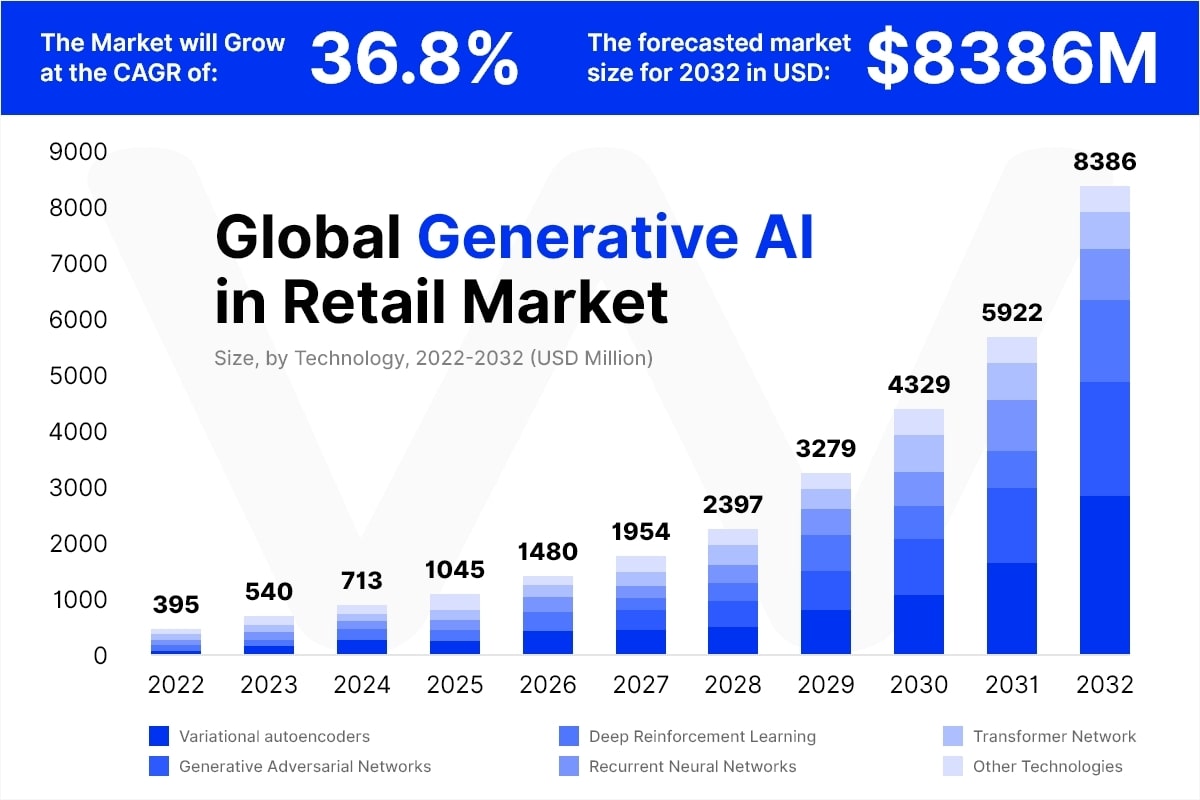
The future of retail will be heavily influenced by advancements in AI technology. As these technologies become more sophisticated, they will offer even greater opportunities for personalization and efficiency. Retailers who embrace these changes will be well-positioned to thrive in an increasingly competitive market.
However, as with any technological advancement, there are challenges to consider. Issues such as data privacy and security must be addressed to maintain consumer trust. Retailers must also ensure that their workforce is prepared for the changes brought about by automation.
Conclusion
AI is undoubtedly reshaping the retail landscape by offering tools that enhance both customer experience and operational efficiency. As technology continues to evolve, so too will its applications within the industry—ushering in an era of smarter shopping experiences for consumers worldwide.
Exploring AI in Retail: Enhancing Customer Experience, Inventory Management, and Personalization While Addressing Challenges and Job Impact
- How is AI used in retail?
- How does AI improve the customer shopping experience?
- Can AI help retailers manage inventory and forecast demand?
- How are retailers using AI to personalize product recommendations?
- What are the risks and challenges of using AI in retail?
- Will AI replace retail jobs?
How is AI used in retail?
AI is used in retail to personalize product recommendations, power chatbots and virtual assistants, forecast demand, manage inventory, and optimize pricing and supply chains. In stores, it can help analyze foot traffic, improve product placement, support checkout, and automate tasks such as shelf monitoring. Retailers use these tools to make shopping more convenient and operations more efficient, while taking care to protect customer data and maintain human support where it matters.
How does AI improve the customer shopping experience?
AI significantly enhances the customer shopping experience by offering personalized interactions and seamless service. Through advanced data analytics, AI systems can analyze customer behavior, preferences, and purchase history to provide tailored product recommendations that align with individual tastes. This level of personalization helps customers discover products they might not have found otherwise, increasing satisfaction and engagement. Additionally, AI-powered chatbots and virtual assistants offer real-time support, answering questions and resolving issues quickly without the need for human intervention. These technologies ensure a smoother shopping journey by providing instant assistance and reducing wait times. Overall, AI creates a more intuitive and enjoyable shopping experience that caters to the unique needs of each customer.
Can AI help retailers manage inventory and forecast demand?
AI has proven to be a powerful tool for retailers looking to manage inventory and forecast demand more effectively. By utilizing advanced algorithms and machine learning techniques, AI can analyze vast amounts of historical sales data, market trends, and consumer behavior to predict future demand with remarkable accuracy. This predictive capability allows retailers to optimize their inventory levels, ensuring that popular items are adequately stocked while minimizing excess inventory that ties up capital. Additionally, AI can identify patterns and anomalies in purchasing behavior, enabling retailers to respond swiftly to changes in consumer preferences or external factors affecting demand. As a result, retailers can reduce the risks of overstocking or stockouts, improve supply chain efficiency, and ultimately enhance customer satisfaction by consistently meeting demand.
How are retailers using AI to personalize product recommendations?
Retailers are leveraging AI to personalize product recommendations by utilizing advanced data analytics and machine learning algorithms. By analyzing vast amounts of customer data, including purchase history, browsing behavior, and demographic information, AI systems can identify patterns and preferences unique to each shopper. These insights allow retailers to suggest products that align closely with individual tastes and needs. Additionally, AI can dynamically adjust recommendations in real-time based on a customer’s interactions with the retailer’s website or app. This personalized approach not only enhances the shopping experience by making it more relevant and engaging but also increases the likelihood of conversion, as customers are presented with items they are more inclined to purchase.
What are the risks and challenges of using AI in retail?
AI can help retailers improve forecasting, personalize recommendations, and automate routine tasks, but it also brings important risks and challenges. Systems may rely on inaccurate or biased data, leading to unfair pricing, recommendations, or service for some customers. Collecting and analyzing shopping data raises privacy and cybersecurity concerns, while outages or flawed predictions can disrupt inventory, operations, and sales. Retailers must also consider implementation costs, integration with existing systems, employee training, and the effects of automation on workers. Clear oversight, strong data protections, regular testing, and human review can help reduce these risks and build customer trust.
Will AI replace retail jobs?
The question of whether AI will replace retail jobs is a common concern as technology continues to advance. While AI has the potential to automate certain tasks, such as inventory management and customer service inquiries through chatbots, it is unlikely to completely replace retail jobs. Instead, AI is expected to transform the nature of these roles. By handling repetitive and time-consuming tasks, AI allows retail employees to focus on more complex and value-added activities, such as personalized customer service and strategic decision-making. Additionally, new jobs are likely to emerge in areas related to managing and maintaining AI systems. The future of retail will likely see a shift in job functions rather than a wholesale replacement of human workers by machines.