The Importance of UN Sustainable Development Goals (SDGs)
The United Nations Sustainable Development Goals (SDGs) are a set of 17 global goals designed to address various social, economic, and environmental challenges facing the world today. These goals were adopted by all UN Member States in 2015 as part of the 2030 Agenda for Sustainable Development, with the aim of promoting prosperity while protecting the planet.
Key Objectives of the SDGs
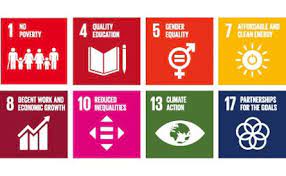
The SDGs cover a wide range of issues, including poverty, hunger, health, education, gender equality, clean water, sustainable energy, economic growth, climate action, and more. Each goal has specific targets to be achieved over the next decade to create a more sustainable and equitable world for all.
Impact of the SDGs
Since their adoption, the SDGs have helped focus global attention on pressing issues that require collective action. Governments, businesses, NGOs, and individuals around the world have been working towards achieving these goals through policies, programs, and initiatives that promote sustainable development.
Challenges Ahead
While progress has been made in some areas since the launch of the SDGs, there are still significant challenges that need to be addressed. Issues such as climate change, inequality, conflict resolution, and access to healthcare remain major obstacles to achieving the goals by 2030.
Call to Action
It is crucial for all stakeholders to continue their efforts in implementing strategies that align with the SDGs. By working together and taking concrete actions at local and global levels, we can make significant strides towards a more sustainable future for generations to come.
Conclusion
The UN Sustainable Development Goals serve as a roadmap for building a better world for everyone. By embracing these goals and integrating them into our daily lives and decision-making processes, we can create a more inclusive and sustainable planet where no one is left behind.
7 Ways to Support and Promote the UN Sustainable Development Goals
- 1. Familiarize yourself with the 17 UN Sustainable Development Goals (SDGs).
- 2. Educate others about the importance of achieving the SDGs.
- 3. Support organizations and initiatives that work towards specific SDGs.
- 4. Take action in your community to contribute to SDG progress.
- 5. Advocate for policy changes that align with the SDGs.
- 6. Monitor and evaluate your own impact on the SDGs.
- 7. Collaborate with others to maximize efforts towards achieving the SDGs.
1. Familiarize yourself with the 17 UN Sustainable Development Goals (SDGs).
It is essential to familiarize yourself with the 17 UN Sustainable Development Goals (SDGs) in order to understand the breadth and scope of the global challenges they aim to address. By learning about each goal, from eradicating poverty and promoting gender equality to ensuring access to clean water and affordable clean energy, individuals can better appreciate the interconnected nature of these issues and contribute meaningfully towards achieving a more sustainable and equitable world for all.
2. Educate others about the importance of achieving the SDGs.
Educating others about the importance of achieving the UN Sustainable Development Goals (SDGs) is crucial for creating widespread awareness and fostering collective action. By sharing information about the SDGs and their significance in addressing global challenges such as poverty, inequality, and climate change, individuals can inspire others to contribute towards a more sustainable and equitable future. Through education and advocacy, we can empower communities to take meaningful steps towards achieving the SDGs and creating a better world for present and future generations.
3. Support organizations and initiatives that work towards specific SDGs.
Supporting organizations and initiatives that work towards specific UN Sustainable Development Goals (SDGs) is crucial in driving progress and achieving positive change on a global scale. By backing these efforts, individuals and entities can contribute directly to the advancement of targeted goals such as poverty alleviation, gender equality, climate action, and more. Whether through funding, volunteering, or advocacy, supporting SDG-focused organizations plays a vital role in accelerating sustainable development efforts and making a tangible impact on the world’s most pressing challenges.
4. Take action in your community to contribute to SDG progress.
Taking action in your community to contribute to the progress of the UN Sustainable Development Goals (SDGs) is a powerful way to make a positive impact on a local level. By getting involved in initiatives that align with the SDGs, such as volunteering for environmental projects, supporting education programs, or advocating for social equality, individuals can play a significant role in advancing sustainable development. Small actions within communities can collectively lead to meaningful change and help drive progress towards achieving the global goals set forth by the United Nations.
5. Advocate for policy changes that align with the SDGs.
Advocating for policy changes that align with the United Nations Sustainable Development Goals (SDGs) is crucial in driving systemic transformation towards a more sustainable and equitable future. By actively supporting and promoting policies that are in line with the SDGs, individuals, organizations, and governments can contribute to the collective effort of achieving these global goals by 2030. Policy changes play a significant role in shaping how societies address key challenges such as poverty, inequality, climate change, and environmental degradation. Through advocacy and collaboration, we can influence decision-makers to prioritize sustainable development and create meaningful impact on a larger scale.
6. Monitor and evaluate your own impact on the SDGs.
Monitoring and evaluating your own impact on the UN Sustainable Development Goals (SDGs) is crucial for assessing the effectiveness of your actions and contributions towards achieving these global objectives. By regularly tracking and analyzing how your efforts align with specific SDGs, you can identify areas of strength and areas that may require improvement. This self-assessment not only helps in measuring progress but also allows for adjustments to strategies to ensure that you are making a meaningful and positive impact on sustainable development.
7. Collaborate with others to maximize efforts towards achieving the SDGs.
Collaboration plays a pivotal role in maximizing efforts towards achieving the UN Sustainable Development Goals (SDGs). By working together with various stakeholders, including governments, organizations, communities, and individuals, we can leverage diverse expertise, resources, and perspectives to address the complex challenges outlined in the SDGs. Through effective collaboration, we can amplify our impact, foster innovation, and create sustainable solutions that drive progress towards a more equitable and prosperous future for all.