The Benefits of Building Green: Sustainable Construction for a Better Future
Building green, also known as sustainable construction, is a practice that focuses on creating structures that are environmentally responsible and resource-efficient throughout their lifecycle. This approach not only benefits the environment but also offers numerous advantages to building owners, occupants, and society as a whole.
Environmental Benefits
One of the primary advantages of building green is its positive impact on the environment. By using eco-friendly materials, implementing energy-efficient designs, and reducing waste during construction, green buildings help minimize their carbon footprint. This leads to lower greenhouse gas emissions, conservation of natural resources, and protection of ecosystems.
Economic Benefits
Green buildings are also cost-effective in the long run. While initial construction costs may be slightly higher due to sustainable features and materials, owners can recoup these expenses through lower utility bills, reduced maintenance costs, and increased property value. Additionally, government incentives and certification programs often offer financial benefits to encourage green building practices.
Health and Well-being Benefits
The design of green buildings prioritizes occupant health and well-being. Improved indoor air quality, abundant natural light, proper ventilation systems, and use of non-toxic materials contribute to a healthier indoor environment. Studies have shown that occupants of green buildings experience higher productivity levels, better focus, and overall improved quality of life.
Social Benefits
Building green promotes social responsibility by fostering sustainable communities. Green buildings create jobs in industries such as renewable energy and energy efficiency technologies. They also contribute to neighborhood revitalization efforts and promote a sense of environmental stewardship among residents.
The Future of Sustainable Construction
As awareness of environmental issues grows and regulations become more stringent, the demand for green buildings is expected to rise. Architects, engineers, developers, and policymakers are increasingly incorporating sustainable practices into their projects to meet this demand and create a more resilient built environment for future generations.
In conclusion, building green offers a multitude of benefits that extend beyond environmental conservation. From economic savings to improved health outcomes, sustainable construction plays a crucial role in shaping a more sustainable future for all. By embracing green building practices today, we can create healthier environments for ourselves and leave a positive legacy for generations to come.
9 Essential Tips for Building a Sustainable and Eco-Friendly Home
- Use energy-efficient appliances and lighting to reduce electricity consumption.
- Incorporate natural light through windows and skylights to minimize the use of artificial lighting.
- Install low-flow fixtures and water-saving appliances to conserve water.
- Choose sustainable materials such as bamboo flooring, reclaimed wood, or recycled metal for construction.
- Utilize proper insulation and sealing to improve energy efficiency and reduce heating/cooling costs.
- Implement a rainwater harvesting system for irrigation or non-potable water use.
- Integrate green roofs or vertical gardens to enhance insulation, reduce stormwater runoff, and promote biodiversity.
- Opt for renewable energy sources like solar panels or wind turbines to power your building sustainably.
- Design outdoor spaces with native plants that require less water and maintenance.
Use energy-efficient appliances and lighting to reduce electricity consumption.
Using energy-efficient appliances and lighting is a key tip in building green as it helps significantly reduce electricity consumption. By opting for appliances and lighting fixtures that are designed to operate with minimal energy usage, builders can not only lower utility costs but also decrease their overall environmental impact. Energy-efficient appliances and lighting not only contribute to a more sustainable building but also promote a greener lifestyle by conserving resources and reducing carbon emissions. Incorporating these eco-friendly elements into construction projects is a practical way to enhance energy efficiency and promote environmental responsibility.
Incorporate natural light through windows and skylights to minimize the use of artificial lighting.
By incorporating natural light through strategically placed windows and skylights in building design, you can significantly reduce the reliance on artificial lighting. Not only does this practice lower energy consumption and utility costs, but it also creates a more comfortable and inviting indoor environment. Natural light has been shown to enhance mood, productivity, and overall well-being of occupants. By maximizing daylight penetration, buildings can not only decrease their environmental impact but also promote a healthier and more sustainable living or working space for individuals.
Install low-flow fixtures and water-saving appliances to conserve water.
To promote water conservation in green building practices, it is essential to install low-flow fixtures and water-saving appliances. By incorporating these efficient plumbing solutions, such as low-flow toilets, faucets, and showerheads, buildings can significantly reduce water consumption without compromising functionality. This simple yet effective tip not only helps conserve a precious resource but also contributes to lower utility costs and a more sustainable approach to water usage in the built environment.
Choose sustainable materials such as bamboo flooring, reclaimed wood, or recycled metal for construction.
When building green, selecting sustainable materials is crucial to minimize environmental impact and promote eco-friendly practices. Opting for materials like bamboo flooring, reclaimed wood, or recycled metal not only reduces the demand for new resources but also helps in preserving natural habitats and reducing waste. Bamboo is a rapidly renewable resource that grows quickly and can be harvested without causing deforestation. Reclaimed wood gives a second life to old timber, reducing the need for cutting down new trees. Recycled metal helps divert materials from landfills and decreases energy consumption during production. By choosing these sustainable materials for construction, builders can create environmentally responsible structures that contribute to a greener future.
Utilize proper insulation and sealing to improve energy efficiency and reduce heating/cooling costs.
Proper insulation and sealing play a crucial role in building green by enhancing energy efficiency and lowering heating/cooling expenses. By effectively insulating walls, roofs, and windows, buildings can better retain heat in the winter and keep cool air inside during the summer. This reduces the reliance on heating and cooling systems, resulting in significant energy savings and a smaller carbon footprint. Investing in quality insulation and sealing not only benefits the environment but also improves indoor comfort for occupants, making it a key strategy in sustainable construction practices.
Implement a rainwater harvesting system for irrigation or non-potable water use.
Implementing a rainwater harvesting system is a key tip in building green. By collecting and storing rainwater for irrigation or non-potable water use, buildings can significantly reduce their reliance on municipal water sources. This sustainable practice not only conserves water but also helps lower utility costs and decrease the overall environmental impact of the building. Rainwater harvesting systems are a practical and efficient way to utilize natural resources effectively while promoting eco-friendly practices in construction projects.
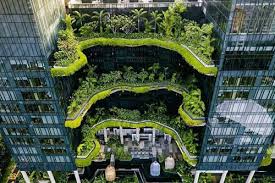
Integrate green roofs or vertical gardens to enhance insulation, reduce stormwater runoff, and promote biodiversity.
Integrating green roofs or vertical gardens into building designs is a highly effective way to enhance insulation, reduce stormwater runoff, and promote biodiversity. Green roofs provide an additional layer of insulation, helping to regulate indoor temperatures and reduce energy consumption for heating and cooling. They also absorb rainwater, reducing the strain on drainage systems and minimizing the risk of flooding. Furthermore, green roofs and vertical gardens create habitats for plants and wildlife, contributing to urban biodiversity and improving overall air quality. By incorporating these green features into construction projects, builders can not only improve the environmental performance of buildings but also create more sustainable and resilient urban environments.
Opt for renewable energy sources like solar panels or wind turbines to power your building sustainably.
By opting for renewable energy sources such as solar panels or wind turbines to power your building sustainably, you can significantly reduce your reliance on fossil fuels and lower your carbon footprint. Harnessing the power of the sun or wind not only helps to decrease energy costs in the long term but also contributes to a cleaner and more sustainable environment. By investing in renewable energy solutions, you can play a crucial role in promoting green building practices and moving towards a more sustainable future for generations to come.
Design outdoor spaces with native plants that require less water and maintenance.
When building green, it is essential to design outdoor spaces with native plants that require less water and maintenance. By incorporating native plants into landscaping, not only can water consumption be significantly reduced, but also the need for pesticides and fertilizers decreases. Native plants are well-adapted to the local climate and soil conditions, making them resilient and low-maintenance options for sustainable landscaping practices. This approach not only conserves water resources but also promotes biodiversity and enhances the overall ecological balance of the environment.