The Benefits of Eco-Friendly Insulation for a Sustainable Future
As the world increasingly shifts towards sustainability and environmental consciousness, the use of eco-friendly insulation has gained significant attention. Eco-friendly insulation materials offer a range of benefits that not only contribute to a greener planet but also provide numerous advantages for homeowners and businesses.
Environmental Benefits
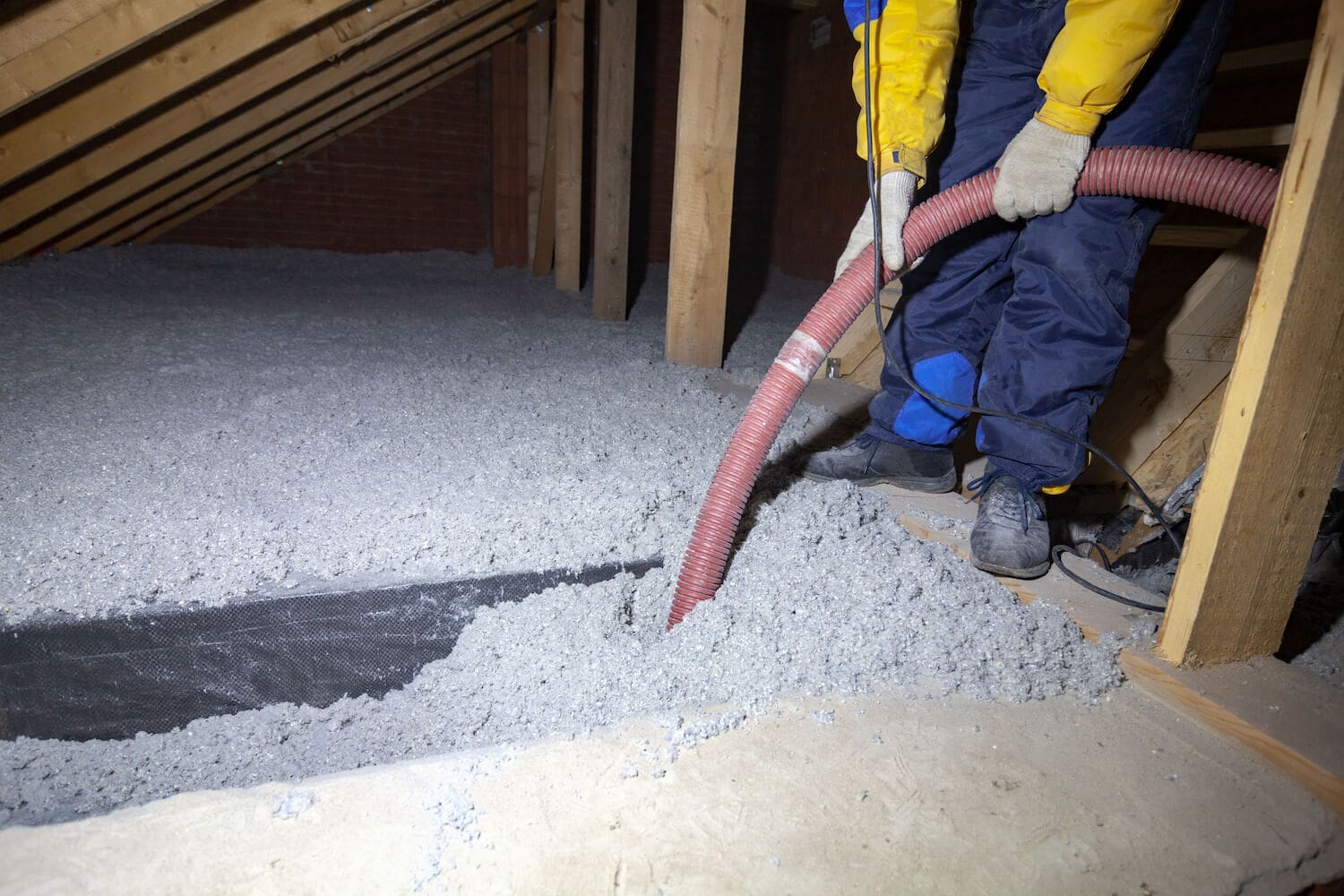
Eco-friendly insulation is typically made from recycled or renewable materials, such as recycled denim, cellulose, wool, or cork. By utilizing these sustainable resources, eco-friendly insulation helps reduce the demand for virgin materials and minimizes waste in landfills. Additionally, these materials have lower embodied energy compared to traditional insulation options, resulting in reduced carbon emissions during production.
Energy Efficiency
One of the key advantages of eco-friendly insulation is its superior energy efficiency properties. These materials provide effective thermal resistance, helping to regulate indoor temperatures and reduce heating and cooling costs. By improving the overall energy efficiency of buildings, eco-friendly insulation contributes to lower utility bills and decreased reliance on fossil fuels for heating and cooling.
Health Benefits
Eco-friendly insulation materials are non-toxic and free from harmful chemicals commonly found in traditional insulation products. This makes them safe for both installation workers and occupants of buildings. Additionally, eco-friendly insulation can help improve indoor air quality by reducing the presence of volatile organic compounds (VOCs) that can be released from conventional insulation materials.
Durability and Performance
Despite being environmentally friendly, eco-friendly insulation does not compromise on performance or durability. These materials are designed to last long periods without losing their insulating properties, ensuring consistent thermal comfort throughout the lifespan of a building. Moreover, eco-friendly insulation is resistant to mold growth and pests, further enhancing its longevity.
Conclusion
In conclusion, the adoption of eco-friendly insulation offers a multitude of benefits that extend beyond environmental sustainability. From energy efficiency and cost savings to improved indoor air quality and durability, eco-friendly insulation provides a holistic solution for building owners looking to create healthier and more sustainable living spaces. By choosing eco-friendly insulation options, individuals can contribute to a greener future while enjoying enhanced comfort and performance in their homes or commercial buildings.
6 Tips for Choosing Eco-Friendly Insulation for Your Home
- Choose insulation materials made from recycled or natural fibers.
- Opt for insulation with high R-values to maximize energy efficiency.
- Seal any gaps or cracks in your home before installing insulation to prevent air leakage.
- Consider using spray foam insulation, which expands to fill gaps and provides better coverage.
- Look for insulation products that are free from harmful chemicals like formaldehyde and VOCs.
- Consult with a professional to determine the most eco-friendly and effective insulation option for your home.
Choose insulation materials made from recycled or natural fibers.
When selecting eco-friendly insulation, opt for materials crafted from recycled or natural fibers. These sustainable options, such as recycled denim, wool, cellulose, or cork, not only help reduce waste but also promote a healthier environment. By choosing insulation made from recycled or natural fibers, you contribute to the conservation of resources and support a more sustainable future for generations to come.
Opt for insulation with high R-values to maximize energy efficiency.
When selecting eco-friendly insulation, it is advisable to opt for materials with high R-values to maximize energy efficiency. The R-value of insulation indicates its thermal resistance, with higher values representing better insulating properties. By choosing insulation with high R-values, homeowners and businesses can effectively regulate indoor temperatures, reduce heating and cooling costs, and enhance overall energy efficiency. This simple tip not only promotes sustainability but also helps create a more comfortable and environmentally conscious living or working environment.
Seal any gaps or cracks in your home before installing insulation to prevent air leakage.
To ensure the effectiveness of eco-friendly insulation in your home, it is essential to seal any gaps or cracks before installation. By preventing air leakage through these openings, you can maximize the insulation’s thermal performance and energy efficiency. Properly sealing gaps and cracks not only helps maintain a consistent indoor temperature but also reduces the workload on heating and cooling systems, leading to lower energy consumption and utility costs. This simple yet crucial step plays a significant role in creating a more sustainable and comfortable living environment while maximizing the benefits of eco-friendly insulation materials.
Consider using spray foam insulation, which expands to fill gaps and provides better coverage.
When opting for eco-friendly insulation, a practical tip to consider is using spray foam insulation. This innovative solution expands to fill gaps and crevices, ensuring better coverage and sealing off potential air leaks. By effectively insulating hard-to-reach areas, spray foam insulation helps enhance the energy efficiency of buildings, reducing heating and cooling costs. Its ability to create a tight thermal barrier not only improves indoor comfort but also contributes to a more sustainable and environmentally friendly living or working space.
Look for insulation products that are free from harmful chemicals like formaldehyde and VOCs.
When selecting eco-friendly insulation, it is essential to prioritize products that are devoid of harmful chemicals such as formaldehyde and volatile organic compounds (VOCs). These toxic substances can negatively impact indoor air quality and pose health risks to occupants. By choosing insulation materials that are free from these chemicals, individuals can create a healthier living environment while contributing to sustainability efforts. Opting for formaldehyde and VOC-free insulation not only ensures the well-being of residents but also aligns with eco-conscious practices, promoting a greener and more sustainable future for all.
Consult with a professional to determine the most eco-friendly and effective insulation option for your home.
When considering eco-friendly insulation options for your home, it is advisable to consult with a professional to determine the most suitable and effective choice. A professional insulation contractor can assess your specific needs, evaluate the environmental impact of different insulation materials, and recommend the best solution that aligns with both sustainability goals and performance requirements. By seeking expert advice, you can make informed decisions that not only benefit the environment but also ensure optimal energy efficiency and comfort in your living space.