The Importance of Reports in Business
Reports play a crucial role in the business world, serving as valuable tools for decision-making, performance evaluation, and communication. Whether it’s a financial report, sales report, or project status update, reports provide essential information that drives strategic planning and operational efficiency.
Key Functions of Reports
Data Analysis: Reports compile data from various sources and present it in a structured format for analysis. This allows businesses to identify trends, patterns, and outliers that can inform future actions.
Performance Measurement: By comparing actual results to targets or benchmarks, reports help assess the performance of individuals, teams, departments, or the entire organization. This evaluation is critical for setting goals and improving outcomes.
Decision Support: Well-crafted reports provide decision-makers with relevant information needed to make informed choices. Whether it’s allocating resources, launching a new product, or entering a new market, reports offer insights that guide strategic decisions.
The Components of an Effective Report
An effective report typically includes the following components:
- Title: Clearly states the purpose or subject of the report.
- Executive Summary: Provides a concise overview of key findings and recommendations.
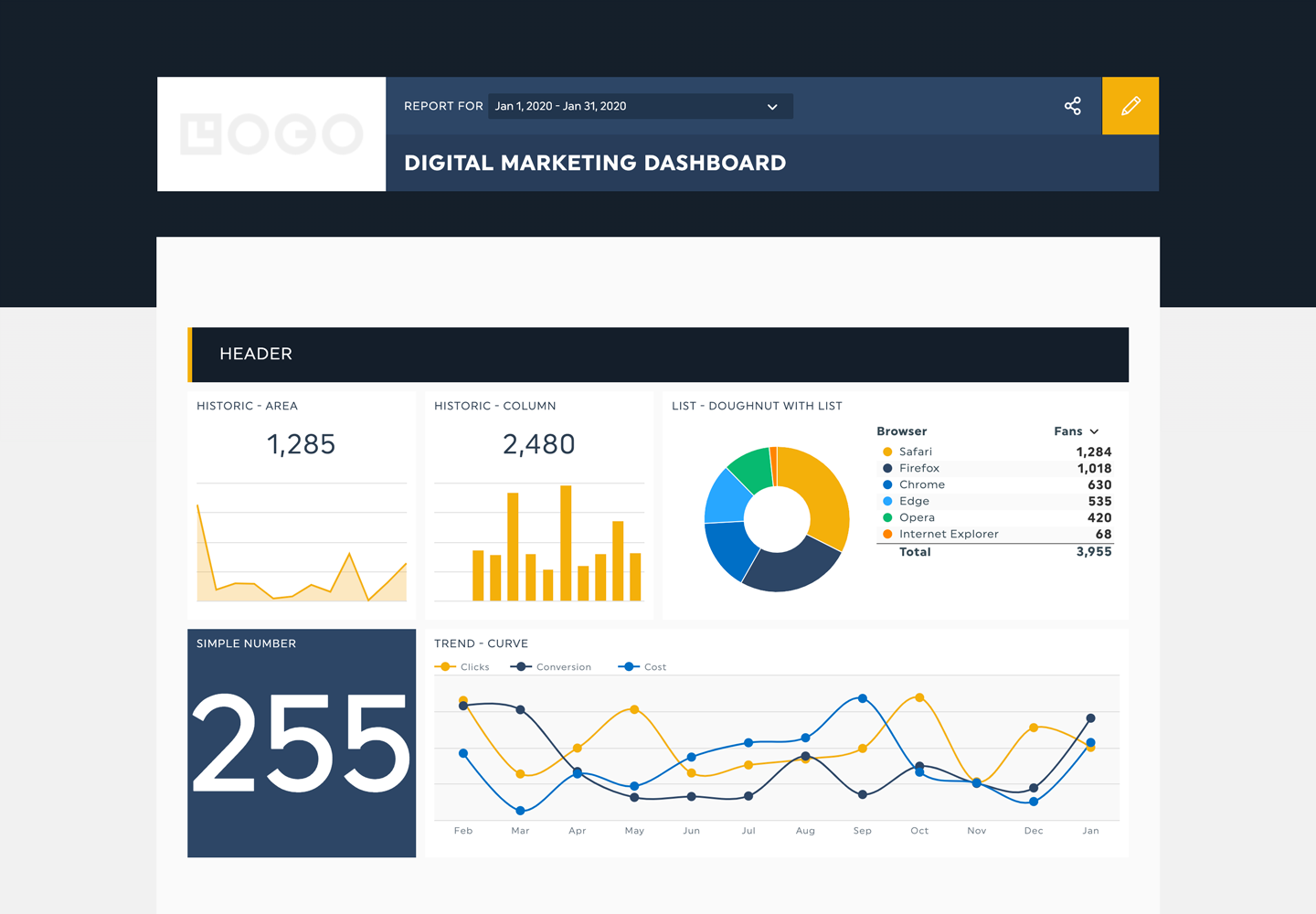
- Data Analysis: Presents data in tables, charts, or graphs for easy interpretation.
- Discussion: Analyzes the data and provides insights into trends or issues identified.
- Recommendations: Offers actionable suggestions based on the analysis conducted.
- Conclusion: Summarizes the main points discussed in the report.
In Conclusion
In conclusion, reports are indispensable tools that drive informed decision-making and performance improvement in business. By investing time and resources in creating well-structured reports, organizations can gain a competitive edge by leveraging data-driven insights to achieve their goals.
Essential FAQs for Mastering Report Creation and Presentation in Business
- What is a report?
- Why are reports important in business?
- What are the different types of reports used in organizations?
- How should I structure a report for maximum impact?
- What tools or software can help me create professional reports?
- How often should reports be generated and shared within an organization?
- How can I ensure the accuracy and reliability of the data presented in a report?
- What are some best practices for presenting and communicating report findings effectively?
What is a report?
A report is a formal document that presents information in a structured format for a specific audience or purpose. It typically contains data, analysis, and recommendations based on research or observations. Reports serve to communicate findings, progress, or results on a particular topic, project, or issue. They are essential in business, academia, and various other fields to convey important information, facilitate decision-making, and provide insights for future actions. By defining the scope of the report and organizing information logically, individuals can effectively convey complex ideas and data to stakeholders in a clear and concise manner.
Why are reports important in business?
Reports are crucial in business for several reasons. They provide a structured way to analyze data, track performance, and make informed decisions. By compiling information from various sources into a cohesive document, reports offer valuable insights that help businesses understand trends, identify areas for improvement, and measure progress towards goals. Additionally, reports serve as a communication tool, allowing stakeholders to stay informed about the organization’s performance and strategic direction. In essence, reports play a vital role in driving transparency, accountability, and efficiency within a business environment.
What are the different types of reports used in organizations?
In organizations, various types of reports are utilized to convey information and facilitate decision-making processes. Commonly used report types include financial reports, which provide insights into the financial health and performance of a company; operational reports, detailing day-to-day activities and processes within an organization; strategic reports, focusing on long-term goals and planning strategies for growth; compliance reports, ensuring adherence to regulations and standards; and analytical reports, offering in-depth analysis and interpretation of data to support informed decision-making. Each type of report serves a specific purpose in helping organizations assess performance, allocate resources effectively, and plan for the future.
How should I structure a report for maximum impact?
When considering how to structure a report for maximum impact, it is essential to follow a strategic approach that ensures clarity, coherence, and relevance. Begin with a clear and concise title that reflects the main purpose of the report. A well-crafted executive summary should provide a brief overview of key findings and recommendations to capture the reader’s attention. Organize the report with a logical flow, starting with an introduction that sets the context and objectives, followed by data analysis presented in tables, charts, or graphs for easy comprehension. Engage readers with insightful discussions that interpret the data and highlight important trends or issues. Conclude the report with actionable recommendations that address the key findings. By structuring your report thoughtfully and focusing on delivering valuable insights, you can maximize its impact and effectively communicate your message to your audience.
What tools or software can help me create professional reports?
When it comes to creating professional reports, there are several tools and software options available to streamline the process and enhance the quality of your output. Popular tools like Microsoft Word, Excel, and PowerPoint offer robust features for designing and formatting reports with tables, charts, and visuals. For more advanced data analysis and visualization, platforms such as Tableau, Power BI, or Google Data Studio provide dynamic reporting capabilities. Additionally, project management tools like Asana or Trello can help organize report creation tasks and collaborate with team members effectively. Choosing the right tool depends on your specific reporting needs and level of customization required to present information professionally and effectively.
How often should reports be generated and shared within an organization?
Determining the frequency of generating and sharing reports within an organization depends on various factors such as the nature of the business, the specific objectives of the reports, and the needs of stakeholders. In general, regular reporting intervals, whether they are daily, weekly, monthly, quarterly, or annually, help ensure that key performance indicators are monitored consistently and that timely decisions can be made. It is essential to strike a balance between providing up-to-date information for effective decision-making and avoiding information overload. Ultimately, aligning the reporting frequency with organizational goals and operational requirements is crucial in establishing a sustainable reporting schedule that adds value to the business.
How can I ensure the accuracy and reliability of the data presented in a report?
Ensuring the accuracy and reliability of data presented in a report is essential for making informed decisions and maintaining credibility. To achieve this, it is crucial to establish robust data collection methods, verify the sources of information, and cross-check data against multiple reliable sources. Conducting thorough data validation processes, such as data cleaning and verification, can help identify and rectify any discrepancies or errors. Additionally, involving subject matter experts in the review process can provide valuable insights and ensure that the data interpretation aligns with the intended message of the report. By implementing rigorous quality control measures throughout the data collection and reporting process, one can enhance the accuracy and reliability of the information presented in a report.
What are some best practices for presenting and communicating report findings effectively?
When it comes to presenting and communicating report findings effectively, several best practices can enhance the clarity and impact of the information shared. Firstly, organizing the report in a logical manner, with a clear structure that includes an executive summary, key findings, analysis, and recommendations, can help readers navigate the content more efficiently. Utilizing visual aids such as charts, graphs, and tables can also make complex data more digestible and engaging. Additionally, using plain language to explain technical terms and concepts ensures that the findings are accessible to a broader audience. Lastly, incorporating real-life examples or case studies to illustrate key points can further enhance comprehension and reinforce the significance of the report’s conclusions. By following these best practices, report presenters can effectively convey their findings and insights to stakeholders in a compelling and actionable way.