Theoretical Ethics: Exploring the Foundations of Moral Philosophy
Ethics, the branch of philosophy that deals with moral principles and values, is a complex and multifaceted field. Within ethics, theoretical ethics plays a crucial role in exploring the foundational concepts that underpin our understanding of right and wrong. By delving into theoretical ethics, philosophers seek to answer fundamental questions about morality, ethical reasoning, and the nature of ethical principles.
The Importance of Theoretical Ethics
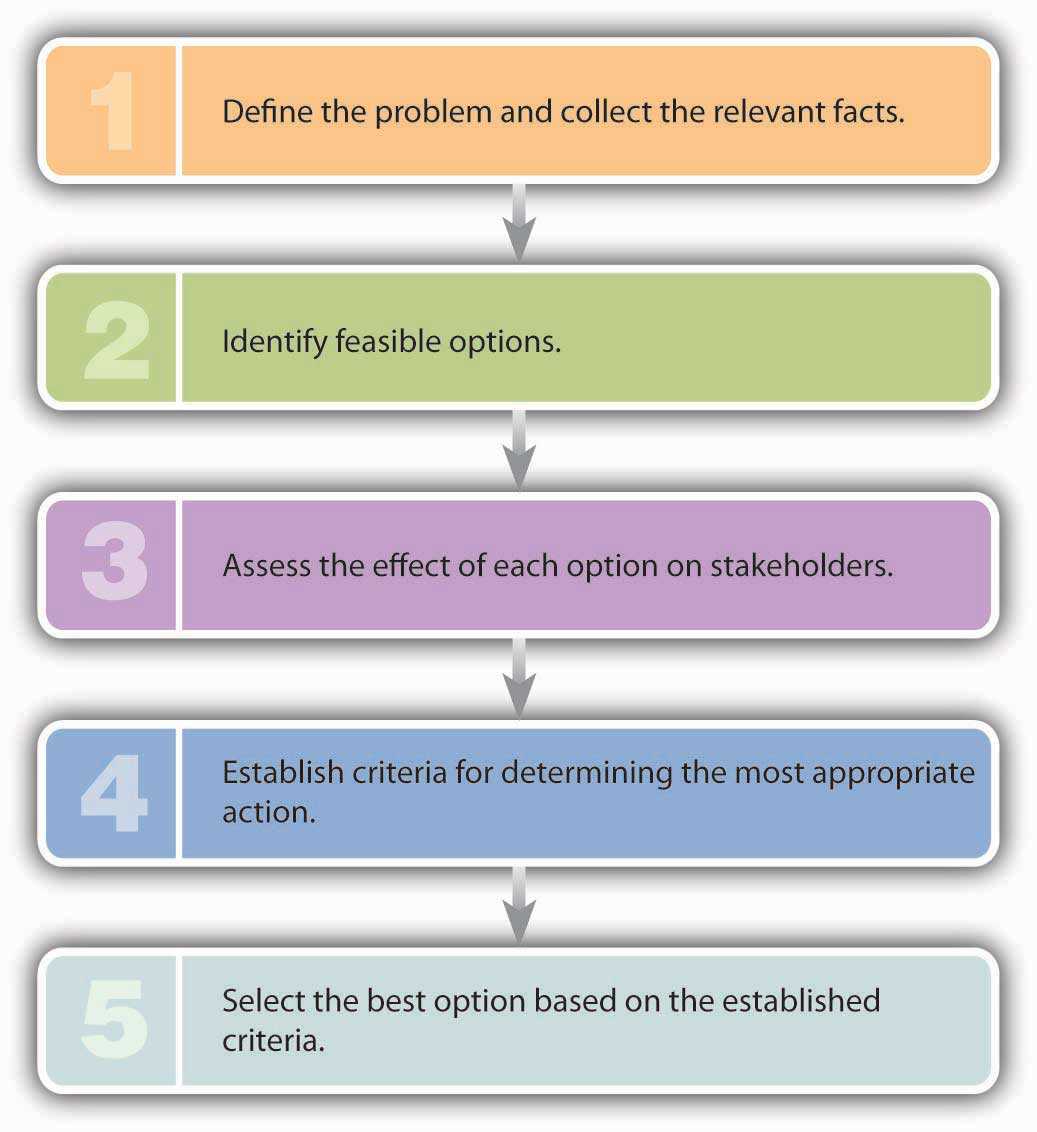
At the heart of theoretical ethics lies the quest to understand what makes actions morally right or wrong. Philosophers in this field engage in rigorous analysis and debate to develop ethical theories that can provide guidance on how individuals should behave in various moral dilemmas. By examining different ethical frameworks such as deontology, consequentialism, and virtue ethics, theoretical ethicists aim to offer insights into the nature of morality and ethical decision-making.
Key Concepts in Theoretical Ethics
One central concept in theoretical ethics is moral realism, which posits that there are objective moral truths that exist independently of human beliefs or opinions. This view contrasts with moral relativism, which argues that moral judgments are relative to cultural norms or individual perspectives.
Another important area of study within theoretical ethics is metaethics, which focuses on analyzing the language, logic, and metaphysics of moral discourse. Metaethical questions explore issues such as whether moral statements can be objectively true or false and how we come to know moral facts.
Challenges and Debates
Theoretical ethics is not without its challenges and controversies. Scholars continue to debate the nature of moral reasoning, the role of emotions in ethical decision-making, and the relationship between morality and rationality. Additionally, emerging ethical issues such as artificial intelligence ethics and environmental ethics present new avenues for exploration within theoretical ethics.
Conclusion
Theoretical ethics serves as a cornerstone of philosophical inquiry into morality and provides a framework for understanding the complexities of ethical decision-making. By engaging with foundational concepts in theoretical ethics, we can deepen our appreciation for the nuances of moral philosophy and cultivate a more informed approach to ethical dilemmas in our lives.
Exploring the Benefits of Theoretical Ethics: A Framework for Moral Understanding and Critical Reflection
- Provides a structured framework for analyzing moral dilemmas.
- Offers insights into the foundations of ethical reasoning and decision-making.
- Encourages critical thinking about fundamental moral principles.
- Helps individuals develop a deeper understanding of different ethical theories.
- Facilitates discussions on complex ethical issues in society.
- Promotes reflection on personal values and beliefs regarding morality.
Challenges of Theoretical Ethics: Abstract Concepts, Accessibility Issues, and Indeterminate Solutions
- Theoretical ethics can sometimes be highly abstract and detached from real-world practicalities, making it challenging to apply ethical theories to everyday moral dilemmas.
- Debates within theoretical ethics can become esoteric and inaccessible to those outside the field of philosophy, limiting broader engagement with important ethical questions.
- Theoretical ethics may struggle to provide definitive answers to complex moral issues, leading to ongoing disagreements and uncertainties in ethical decision-making.
Provides a structured framework for analyzing moral dilemmas.
Theoretical ethics offers a structured framework for analyzing moral dilemmas, providing a systematic approach to examining complex ethical issues. By engaging with ethical theories and principles, individuals can apply a structured methodology to evaluate the moral implications of various actions and decisions. This structured framework helps to clarify the underlying values and principles at play in moral dilemmas, enabling individuals to make more informed and reasoned ethical judgments. Through the lens of theoretical ethics, individuals can navigate moral complexities with greater clarity and precision, fostering a deeper understanding of the ethical landscape.
Offers insights into the foundations of ethical reasoning and decision-making.
The pro of theoretical ethics lies in its ability to provide valuable insights into the foundations of ethical reasoning and decision-making. By exploring various ethical theories and frameworks, theoretical ethics offers a deeper understanding of the principles that guide our moral judgments. Through rigorous analysis and debate, philosophers in this field illuminate the underlying mechanisms of ethical decision-making, helping individuals navigate complex moral dilemmas with clarity and thoughtfulness. The study of theoretical ethics not only enhances our capacity for critical thinking but also enriches our moral compass, empowering us to make more informed and principled choices in our daily lives.
Encourages critical thinking about fundamental moral principles.
Theoretical ethics, as a branch of philosophy, offers a valuable pro by encouraging critical thinking about fundamental moral principles. By engaging with theoretical ethical frameworks and examining the underlying principles that govern moral decision-making, individuals are prompted to question and evaluate the basis of their ethical beliefs. This process of critical reflection fosters a deeper understanding of the complexities inherent in moral reasoning, enabling individuals to develop more nuanced perspectives and make informed ethical choices based on thoughtful analysis rather than mere adherence to societal norms.
Helps individuals develop a deeper understanding of different ethical theories.
Studying theoretical ethics offers individuals the opportunity to cultivate a deeper understanding of various ethical theories that shape our moral landscape. By exploring concepts such as deontology, consequentialism, and virtue ethics, individuals can gain insights into the diverse approaches to moral reasoning and decision-making. This exploration not only broadens one’s perspective on ethical dilemmas but also equips them with the critical thinking skills necessary to navigate complex moral issues with nuance and thoughtfulness. Through delving into different ethical theories, individuals can enhance their ability to analyze and evaluate ethical principles, ultimately fostering a more profound comprehension of the complexities inherent in ethical decision-making processes.
Facilitates discussions on complex ethical issues in society.
Theoretical ethics plays a vital role in facilitating discussions on complex ethical issues in society by providing a structured framework for analyzing and evaluating moral dilemmas. Through the exploration of ethical theories and principles, theoretical ethics enables individuals to engage in thoughtful and informed conversations about challenging societal issues such as healthcare allocation, environmental sustainability, and social justice. By offering a systematic approach to ethical reasoning, theoretical ethics empowers individuals to navigate the complexities of moral decision-making and encourages dialogue that promotes deeper understanding and consideration of diverse perspectives on pressing ethical concerns.
Promotes reflection on personal values and beliefs regarding morality.
Theoretical ethics offers a significant benefit by encouraging individuals to reflect on their personal values and beliefs concerning morality. By engaging with ethical theories and examining the underlying principles that guide moral decision-making, individuals are prompted to evaluate and clarify their own ethical convictions. This process of introspection not only deepens one’s understanding of moral issues but also fosters a greater sense of self-awareness and ethical consciousness. Through the exploration of theoretical ethics, individuals can cultivate a more nuanced perspective on their own moral compass and engage in meaningful discussions about the nature of right and wrong in society.
Theoretical ethics can sometimes be highly abstract and detached from real-world practicalities, making it challenging to apply ethical theories to everyday moral dilemmas.
One significant drawback of theoretical ethics is its tendency to become overly abstract and disconnected from real-world practicalities. The intricate debates and complex frameworks within theoretical ethics can create a gap between philosophical theories and their application to everyday moral dilemmas. This disconnect poses a challenge for individuals seeking guidance on how to navigate ethical issues in their daily lives, as the esoteric nature of theoretical ethics may not always offer clear and actionable solutions to real-world ethical challenges.
Debates within theoretical ethics can become esoteric and inaccessible to those outside the field of philosophy, limiting broader engagement with important ethical questions.
Debates within theoretical ethics can sometimes veer into esoteric territory, using complex language and abstract concepts that may be difficult for individuals outside the field of philosophy to grasp. This intellectual barrier can limit broader engagement with crucial ethical questions, potentially excluding valuable perspectives from non-philosophers. When theoretical ethics discussions become overly specialized and inaccessible, there is a risk of disconnecting ethical discourse from real-world applications and practical considerations, hindering the potential for widespread understanding and meaningful dialogue on important moral issues.
Theoretical ethics may struggle to provide definitive answers to complex moral issues, leading to ongoing disagreements and uncertainties in ethical decision-making.
In the realm of theoretical ethics, a significant drawback emerges in its inherent challenge to offer clear-cut solutions to intricate moral dilemmas. The complexity and subjectivity of ethical issues often hinder theoretical frameworks from providing definitive answers, resulting in persistent disagreements and uncertainties surrounding ethical decision-making processes. This limitation underscores the ongoing debate within the field, highlighting the difficulty in establishing universally applicable moral principles that can effectively guide individuals in navigating the complexities of real-world ethical challenges.