The Complex Nature of Decision-Making in Ethics
When it comes to ethical dilemmas, decision-making is never a straightforward process. The field of ethics is rife with complexities that often require individuals to navigate through a myriad of moral considerations before arriving at a resolution.
One of the key challenges in ethical decision-making is the clash between different ethical theories. For instance, utilitarianism, which focuses on maximizing overall happiness, may conflict with deontological ethics, which prioritizes adherence to moral rules. This clash can leave individuals grappling with conflicting principles and values as they strive to make ethically sound decisions.
Furthermore, the subjective nature of ethics adds another layer of complexity to decision-making. What one individual considers morally right may be perceived differently by another based on their cultural background, personal beliefs, or life experiences. This subjectivity underscores the importance of considering diverse perspectives and engaging in open dialogue when faced with ethical dilemmas.
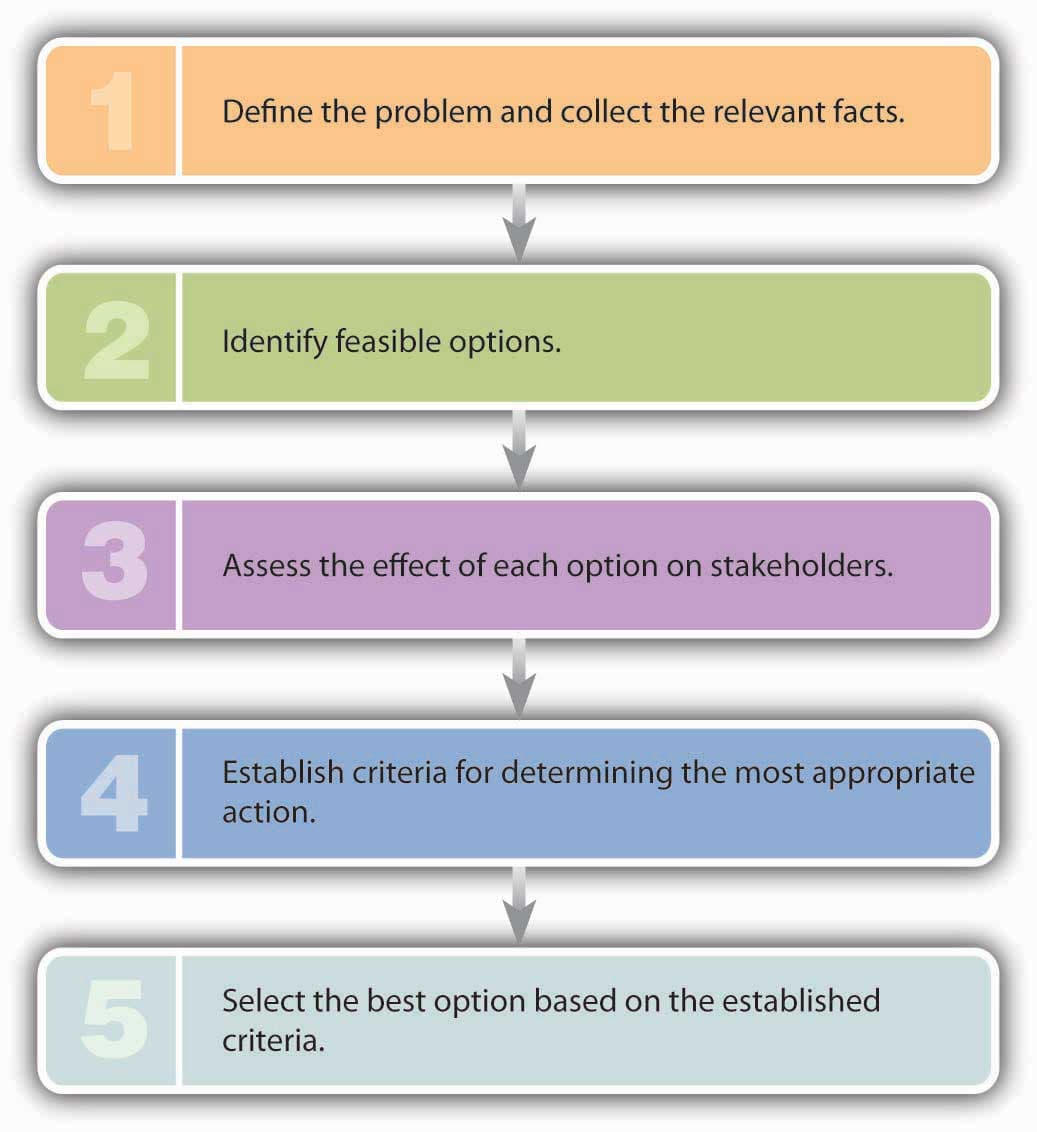
Another factor that complicates ethical decision-making is the presence of competing interests and stakeholders. In many cases, individuals must weigh the consequences of their actions not only on themselves but also on others who may be impacted by their choices. Balancing these competing interests while upholding ethical principles can pose a significant challenge.
Despite these challenges, navigating the complexities of ethical decision-making is essential for fostering a just and moral society. By engaging in critical reflection, seeking guidance from ethical frameworks, and considering the implications of our choices on others, we can strive to make decisions that align with our values and principles.
In conclusion, decision-making in ethics is a multifaceted process that requires careful consideration of various factors. By acknowledging the complexities inherent in ethical dilemmas and approaching them with thoughtfulness and integrity, we can work towards creating a more ethically informed world.
8 Benefits of Ethical Decision-Making: Building Integrity, Empathy, and Trust
- Ethical decision-making promotes moral integrity and upholds values that are important for individuals and society.
- It encourages individuals to consider the broader impact of their actions on others, fostering empathy and compassion.
- Making ethical decisions can enhance personal growth and self-awareness by challenging individuals to reflect on their values and beliefs.
- Ethical decision-making helps build trust and credibility in relationships, both personally and professionally.
- It contributes to a more harmonious society by promoting fairness, justice, and respect for diverse perspectives.
- Engaging in ethical decision-making can lead to better long-term outcomes as it considers the consequences of actions beyond immediate gains.
- Ethics provides a framework for resolving conflicts in a principled manner, reducing ambiguity and promoting clarity in decision-making.
- By prioritizing ethical considerations, individuals can cultivate a sense of purpose and fulfillment in their choices, aligning with their core principles.
Challenges in Ethical Decision-Making: Delays, Disagreements, Compromises, and Uncertainty
- Ethical decision-making can be time-consuming and require extensive deliberation, leading to delays in taking action.
- The subjective nature of ethics can result in disagreements and conflicts among individuals with differing moral beliefs.
- Balancing competing interests and stakeholders in ethical decision-making may lead to compromises that do not fully align with one’s values.
- Ethical dilemmas often lack clear-cut solutions, causing uncertainty and anxiety for individuals tasked with making difficult decisions.
Ethical decision-making promotes moral integrity and upholds values that are important for individuals and society.
Ethical decision-making plays a crucial role in promoting moral integrity and upholding values that are essential for both individuals and society as a whole. By carefully considering ethical principles and moral guidelines when faced with dilemmas, individuals demonstrate their commitment to acting in accordance with their values. This not only fosters a sense of personal integrity but also contributes to the establishment of a more ethical and just society where trust, respect, and fairness prevail. Upholding ethical standards in decision-making ensures that actions are guided by principles that prioritize the well-being of others and promote harmonious relationships within communities.
It encourages individuals to consider the broader impact of their actions on others, fostering empathy and compassion.
Ethical decision-making serves as a powerful tool in encouraging individuals to reflect on the broader impact of their actions on others, thereby fostering empathy and compassion. By engaging in ethical considerations, individuals are prompted to look beyond their immediate self-interests and contemplate how their choices may affect those around them. This process cultivates a deeper understanding of the interconnectedness of human experiences and promotes a sense of responsibility towards creating a more compassionate and empathetic society.
Making ethical decisions can enhance personal growth and self-awareness by challenging individuals to reflect on their values and beliefs.
Making ethical decisions can enhance personal growth and self-awareness by challenging individuals to reflect on their values and beliefs. When faced with ethical dilemmas, individuals are prompted to delve deep into their moral compass, critically assess their principles, and consider the impact of their choices on themselves and others. This introspective process not only fosters a deeper understanding of one’s own values but also encourages self-reflection and growth. By engaging in ethical decision-making, individuals have the opportunity to refine their moral reasoning, strengthen their integrity, and cultivate a heightened sense of self-awareness that can positively influence their actions and interactions with the world around them.
Ethical decision-making helps build trust and credibility in relationships, both personally and professionally.
Ethical decision-making plays a crucial role in fostering trust and credibility in relationships, whether on a personal or professional level. By consistently making ethical choices based on principles of honesty, integrity, and fairness, individuals demonstrate their commitment to moral values and ethical conduct. This reliability in decision-making not only strengthens bonds of trust with others but also enhances one’s reputation for being dependable and principled. In professional settings, ethical decision-making can lead to stronger partnerships, increased collaboration, and a positive reputation that ultimately contributes to long-term success and credibility in the workplace.
It contributes to a more harmonious society by promoting fairness, justice, and respect for diverse perspectives.
Ethical decision-making plays a crucial role in fostering a harmonious society by promoting values such as fairness, justice, and respect for diverse perspectives. When individuals engage in ethical decision-making processes, they are more likely to consider the impact of their actions on others and strive to uphold principles that prioritize equality and respect. By making ethically sound choices, individuals contribute to the creation of a society where fairness is valued, justice is upheld, and diverse perspectives are respected. This not only enhances social cohesion but also paves the way for a more inclusive and equitable community where all members feel valued and heard.
Engaging in ethical decision-making can lead to better long-term outcomes as it considers the consequences of actions beyond immediate gains.
Considering the consequences of actions beyond immediate gains is a crucial pro of engaging in ethical decision-making. By taking a long-term perspective and evaluating the potential impact of choices on various stakeholders and future scenarios, individuals can make decisions that prioritize sustainability, fairness, and overall well-being. This approach not only fosters a sense of responsibility and accountability but also contributes to building trust and credibility in relationships and organizations. Ultimately, by focusing on long-term outcomes through ethical decision-making, individuals can create lasting positive impacts that extend far beyond short-term benefits.
Ethics provides a framework for resolving conflicts in a principled manner, reducing ambiguity and promoting clarity in decision-making.
Ethics plays a crucial role in providing a structured framework for resolving conflicts in a principled manner, ultimately reducing ambiguity and promoting clarity in decision-making processes. By adhering to ethical principles and guidelines, individuals are equipped with a set of moral standards that help them navigate through complex dilemmas with integrity and consistency. This framework not only fosters transparency in decision-making but also ensures that choices are made based on well-defined values, ultimately leading to more informed and ethically sound outcomes.
By prioritizing ethical considerations, individuals can cultivate a sense of purpose and fulfillment in their choices, aligning with their core principles.
By prioritizing ethical considerations in decision-making, individuals have the opportunity to cultivate a deep sense of purpose and fulfillment in their choices. When one aligns their actions with their core ethical principles, they not only make decisions that reflect their values but also contribute to a greater sense of integrity and authenticity in their lives. This alignment fosters a strong connection between one’s beliefs and actions, leading to a more meaningful and fulfilling existence as individuals navigate through the complexities of ethical dilemmas.
Ethical decision-making can be time-consuming and require extensive deliberation, leading to delays in taking action.
Navigating ethical decision-making can present a significant con in the form of time-consuming deliberation, often resulting in delays in taking action. The intricate nature of ethical dilemmas demands thorough consideration of various factors, including moral principles, consequences, and stakeholders’ interests. This extensive deliberation process can hinder swift decision-making, especially in situations where timely action is crucial. The need to weigh multiple perspectives and evaluate potential outcomes meticulously can prolong the decision-making process, potentially impacting the ability to address ethical challenges promptly and effectively.
The subjective nature of ethics can result in disagreements and conflicts among individuals with differing moral beliefs.
The subjective nature of ethics, where moral judgments are influenced by personal perspectives and values, can lead to disagreements and conflicts among individuals with divergent moral beliefs. What one person considers ethically acceptable may be viewed as unethical by another, creating friction and discord in decision-making processes. These disagreements highlight the inherent challenges of navigating through ethical dilemmas, as individuals must grapple with conflicting viewpoints and strive to find common ground amidst varying interpretations of what is morally right or wrong.
Balancing competing interests and stakeholders in ethical decision-making may lead to compromises that do not fully align with one’s values.
Balancing competing interests and stakeholders in ethical decision-making can present a significant con as it may result in compromises that do not completely align with one’s core values. When individuals are tasked with considering the needs and perspectives of various parties, there is a risk of diluting their ethical stance to accommodate conflicting interests. This compromise can lead to decisions that fall short of upholding the moral principles and beliefs that individuals hold dear, ultimately undermining the integrity of the decision-making process. Striking a balance between competing interests while staying true to one’s values requires careful deliberation and a commitment to ethical consistency amidst complex challenges.
Ethical dilemmas often lack clear-cut solutions, causing uncertainty and anxiety for individuals tasked with making difficult decisions.
Ethical dilemmas present a significant con in decision-making as they frequently lack clear-cut solutions, leading to uncertainty and anxiety for individuals entrusted with making challenging choices. The ambiguity inherent in ethical quandaries can leave decision-makers feeling conflicted and unsure about the best course of action to take. The weight of moral responsibility coupled with the absence of a definitive answer can create a sense of unease and discomfort, making the decision-making process even more daunting and emotionally taxing. This uncertainty underscores the complexity of navigating ethical issues and highlights the need for careful deliberation and thoughtful consideration when faced with moral dilemmas.