The Rise of AI and Machine Learning: Transforming the Future
Artificial Intelligence (AI) and Machine Learning (ML) are no longer just buzzwords; they have become integral components of modern technology, revolutionizing industries and reshaping the way we live, work, and interact. From healthcare to finance, AI and ML are driving innovation and efficiency at an unprecedented pace.
Understanding AI and Machine Learning
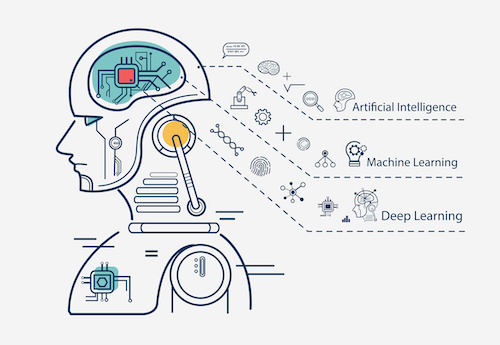
Artificial Intelligence refers to the simulation of human intelligence in machines that are programmed to think like humans and mimic their actions. It encompasses a range of technologies including natural language processing, robotics, and computer vision.
Machine Learning, a subset of AI, involves the use of algorithms that enable computers to learn from data without being explicitly programmed. It focuses on developing systems that can improve their performance over time based on experience.
Applications Across Industries
Healthcare
In healthcare, AI and ML are transforming patient care through predictive analytics, personalized medicine, and advanced diagnostic tools. Algorithms can analyze medical images with high accuracy, assisting doctors in early detection of diseases such as cancer.
Finance
The finance industry leverages AI for fraud detection, risk management, and algorithmic trading. Machine learning models analyze vast amounts of financial data to identify patterns that might indicate fraudulent activity or market opportunities.
Transportation
AI is at the core of autonomous vehicles technology. Self-driving cars use machine learning algorithms to process real-time data from sensors and cameras to navigate roads safely.
The Challenges Ahead
Despite its potential, the adoption of AI and ML comes with challenges. Ethical concerns regarding privacy, bias in algorithms, and job displacement need to be addressed. Ensuring transparency in AI decision-making processes is crucial for building trust among users.
The Future Outlook
The future of AI and ML is promising. As technology continues to advance, these tools will become even more sophisticated, opening up new possibilities across various sectors. Continuous research and development will be key in overcoming current limitations while maximizing benefits.
The integration of AI into everyday life is inevitable. Embracing this change responsibly will pave the way for a future where technology enhances human capabilities rather than replaces them.
Understanding AI and ML: Answers to 8 Common Questions
- Is AI ML difficult?
- Is AIML difficult to learn?
- What is AI & ML?
- What is AIML meaning?
- What is the difference between AIML and DL?
- What is AI ML in Python?
- Is AIML a good career?
- What is AIML?
Is AI ML difficult?
Artificial Intelligence (AI) and Machine Learning (ML) can be challenging to learn, but the level of difficulty largely depends on one’s background and approach to learning. For those with a foundation in mathematics, statistics, and programming, understanding AI and ML concepts may come more naturally. However, even for beginners, there are numerous resources available—such as online courses, tutorials, and textbooks—that make these fields more accessible than ever before. The key is a willingness to learn and practice consistently. As with any complex subject, mastering AI and ML requires time, dedication, and hands-on experience to fully grasp the intricacies involved.
Is AIML difficult to learn?
Learning AI and Machine Learning (AIML) can be challenging, but it is certainly achievable with dedication and the right resources. The difficulty largely depends on one’s background in mathematics, statistics, and programming. A strong foundation in these areas can make the learning process smoother. For beginners, there are numerous online courses, tutorials, and communities that provide structured learning paths and support. Additionally, practical experience through projects and hands-on practice is crucial for understanding complex concepts. While AIML may present a steep learning curve initially, persistence and continuous practice can lead to proficiency over time.
What is AI & ML?
Artificial Intelligence (AI) and Machine Learning (ML) are closely related fields that are transforming the way technology interacts with the world. AI refers to the development of computer systems that can perform tasks typically requiring human intelligence, such as understanding natural language, recognizing patterns, and making decisions. It encompasses a range of technologies including robotics, natural language processing, and computer vision. ML, on the other hand, is a subset of AI that focuses on the creation of algorithms that allow computers to learn from and make predictions based on data. Instead of being explicitly programmed to perform a task, ML systems improve their performance over time as they process more data. Together, AI and ML are driving innovation across various industries by enabling machines to solve complex problems with greater accuracy and efficiency.
What is AIML meaning?
AIML stands for Artificial Intelligence Markup Language, a specialized language developed to create natural language software agents. It is primarily used to design and implement chatbots and virtual assistants that can engage in human-like conversations. AIML provides a framework for pattern matching, allowing developers to define rules and responses that enable the chatbot to understand user inputs and generate appropriate replies. By using AIML, developers can build conversational agents that simulate intelligent behavior, enhancing user interaction with machines across various applications.
What is the difference between AIML and DL?
Artificial Intelligence Markup Language (AIML) and Deep Learning (DL) are both related to the field of artificial intelligence, but they serve different purposes and operate at different levels. AIML is a markup language used primarily for creating conversational agents or chatbots. It provides a framework for pattern matching and response generation, allowing developers to define how a chatbot should respond to user inputs. On the other hand, Deep Learning is a subset of machine learning that involves neural networks with many layers (hence “deep”) to model complex patterns in data. DL is used for tasks such as image recognition, natural language processing, and more, where it can automatically learn representations from large datasets without explicit programming. While AIML is more about scripting interactions in AI systems, DL focuses on enabling machines to learn from data autonomously.
What is AI ML in Python?
AI and ML in Python refer to the use of the Python programming language for developing artificial intelligence and machine learning applications. Python is a popular choice for AI and ML due to its simplicity, readability, and vast ecosystem of libraries and frameworks. Libraries such as TensorFlow, PyTorch, and scikit-learn provide powerful tools for building neural networks, training models, and performing data analysis. Python’s versatility allows developers to implement complex algorithms with relatively straightforward code, making it accessible for both beginners and experienced practitioners. Additionally, its strong community support ensures continuous updates and a wealth of resources for learning and troubleshooting AI and ML projects.
Is AIML a good career?
Pursuing a career in AI and Machine Learning (AIML) is increasingly seen as a promising and rewarding path. As industries across the globe continue to integrate AI technologies into their operations, the demand for skilled professionals in this field is on the rise. Careers in AIML offer diverse opportunities, ranging from developing intelligent algorithms to working on cutting-edge technologies like autonomous vehicles and personalized healthcare solutions. Moreover, the field is known for competitive salaries and opportunities for innovation, making it an attractive option for those with a passion for technology and problem-solving. With continuous advancements and a growing emphasis on digital transformation, AIML professionals are poised to play a crucial role in shaping the future of various industries.
What is AIML?
AIML, which stands for Artificial Intelligence Markup Language, is an XML-based language created to develop natural language software agents. It is primarily used for building conversational agents or chatbots that can interact with users through text or speech. AIML provides a framework for defining patterns and responses, enabling developers to create bots that can understand and respond to user queries in a human-like manner. By using AIML, developers can design complex dialogue systems that simulate intelligent conversations, making it a valuable tool in the field of AI and machine learning for enhancing user interaction and experience.