The Fascinating World of Machines
From the simplest tools to the most advanced robots, machines have played a crucial role in shaping human civilization. Defined as devices that use energy to perform tasks, machines have evolved over centuries, revolutionizing industries and transforming the way we live.
The History of Machines
The concept of machines dates back to ancient times when humans first invented tools like the wheel and lever to make work easier. As civilizations progressed, so did the complexity and efficiency of machines. The Industrial Revolution marked a significant turning point with the introduction of steam engines and mechanized production processes.
Types of Machines
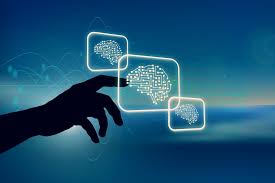
Today, machines come in various forms and serve diverse purposes. From simple machines like pulleys and gears to complex computer systems and artificial intelligence, technology has expanded the capabilities of what machines can achieve. Robotics is another field that continues to push boundaries, with robots being used in industries ranging from manufacturing to healthcare.
The Impact of Machines
The widespread use of machines has had both positive and negative impacts on society. On one hand, machines have increased productivity, improved efficiency, and facilitated advancements in fields such as medicine and transportation. On the other hand, concerns about job displacement, environmental degradation, and ethical implications of autonomous machines have also emerged.
The Future of Machines
As technology continues to advance at a rapid pace, the future of machines holds endless possibilities. Innovations such as self-driving cars, 3D printing, and quantum computing are reshaping industries and challenging traditional notions of what machines can do. The key lies in harnessing these advancements responsibly and ethically for the benefit of humanity.
In conclusion, machines are not just mechanical devices; they are symbols of human ingenuity and creativity. As we navigate an increasingly automated world, understanding the role that machines play in our lives is essential for shaping a future where technology serves us while preserving what makes us human.
Understanding Machines: Definitions, Synonyms, Types, and More
- What is a machine short answer?
- What is machine slang for?
- What is the synonym of machine?
- What are the different types of machines?
- What is the definition of a machine?
- What is a mechane?
What is a machine short answer?
A machine, in its simplest definition, is a device that uses energy to perform tasks. Machines come in various forms and serve a wide range of functions, from basic tools like levers and pulleys to complex systems such as computers and robots. Essentially, a machine is designed to make work easier by converting input energy into output energy to accomplish specific tasks efficiently.
What is machine slang for?
The term “machine” in slang is often used to refer to a person who is exceptionally skilled or efficient at a particular task. It conveys a sense of expertise and proficiency, highlighting someone’s ability to perform with precision and effectiveness. In this context, being called a “machine” is a compliment that recognizes one’s exceptional capabilities and dedication in accomplishing their goals.
What is the synonym of machine?
A common synonym for the word “machine” is “device.” Both terms refer to mechanical or electronic tools designed to perform specific tasks or functions. While “machine” often implies a more complex or specialized apparatus, “device” is a broader term that can encompass a wide range of instruments or contraptions used for various purposes. In everyday language, these terms are often used interchangeably depending on the context in which they are employed.
What are the different types of machines?
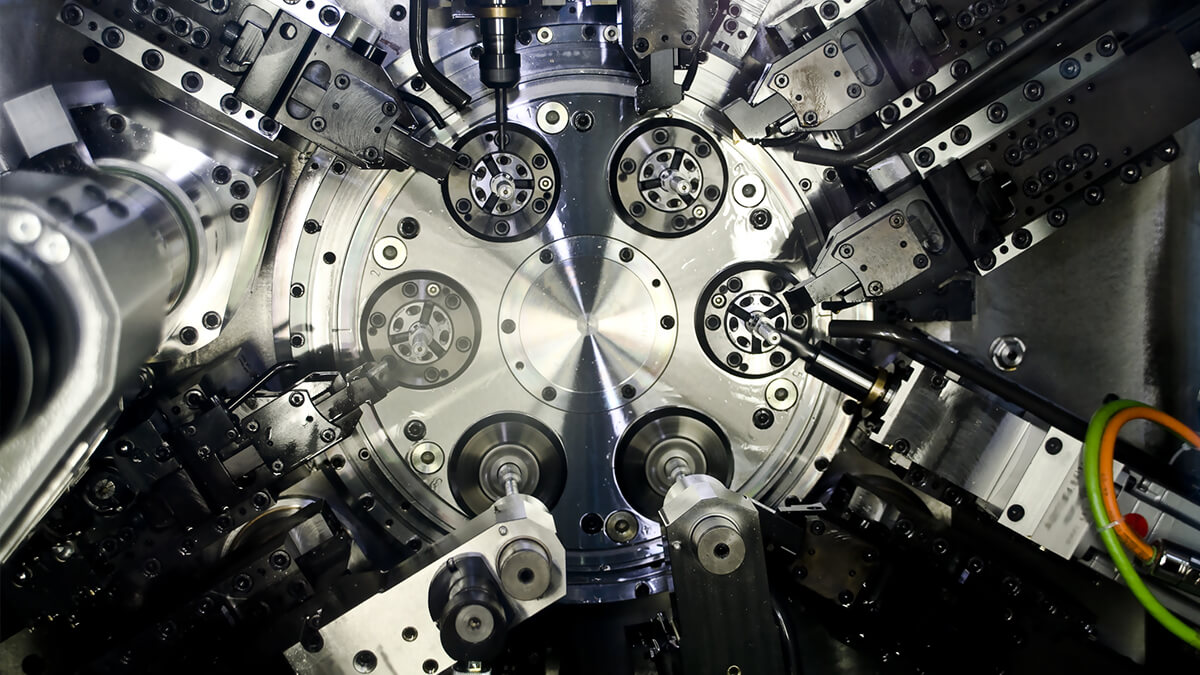
When exploring the question “What are the different types of machines?” one delves into a diverse world of mechanical devices that serve various functions and purposes. Machines can be categorized into several types based on their complexity and applications. From simple machines like levers, pulleys, and inclined planes that operate on basic principles of physics to more advanced machines such as computers, robots, and industrial equipment that rely on sophisticated technology, the spectrum is vast. Each type of machine plays a unique role in enhancing efficiency, productivity, and innovation across different industries and sectors, showcasing the incredible diversity and capabilities of mechanical systems in our modern world.
What is the definition of a machine?
A machine is defined as a device that uses energy to perform a task or series of tasks. It can be a simple tool like a lever or pulley, or a complex system such as a computer or robot. Machines are designed to make work easier, more efficient, or possible in situations where human effort alone may not suffice. The concept of machines encompasses a wide range of devices that transform input energy into output energy to achieve specific objectives, highlighting the ingenuity and innovation of human engineering throughout history.
What is a mechane?
A mechane, often referred to as a “machine” in modern terminology, is a mechanical device designed to perform a specific task or function. The concept of a mechane dates back to ancient times when simple machines like levers and pulleys were used to aid in tasks requiring mechanical advantage. Over time, the term has evolved to encompass a wide range of devices powered by energy, from basic tools to complex industrial equipment and sophisticated robotic systems. Understanding the history and significance of the mechane sheds light on the evolution of technology and its impact on society’s development.