The Rise of Eco-Friendly Housing: Building a Sustainable Future
In recent years, the concept of eco-friendly housing has gained significant traction as more people recognize the importance of sustainable living practices. Eco housing, also known as green housing, focuses on minimizing the environmental impact of residential buildings while creating healthier and more energy-efficient living spaces.
Key Features of Eco Housing
Eco housing incorporates various design elements and technologies to reduce energy consumption, promote recycling, and enhance overall sustainability. Some key features include:
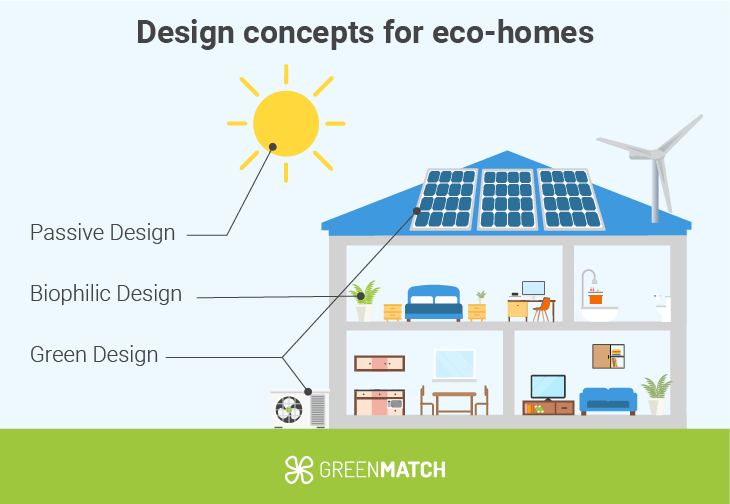
- Energy-Efficient Design: Eco homes are designed to maximize natural light, optimize ventilation, and minimize heat loss, reducing the need for artificial heating and cooling.
- Renewable Energy Sources: Many eco houses utilize solar panels, wind turbines, or geothermal systems to generate clean energy onsite.
- Water Conservation: Eco housing often includes water-saving fixtures, rainwater harvesting systems, and drought-resistant landscaping to minimize water waste.
- Sustainable Materials: Builders use eco-friendly materials such as recycled wood, bamboo flooring, and low-VOC paints to reduce environmental impact and improve indoor air quality.
- Green Roofs and Walls: Some eco homes feature green roofs or walls planted with vegetation to improve insulation, absorb rainwater, and create wildlife habitats.
The Benefits of Eco Housing
The shift towards eco-friendly housing offers numerous benefits for both homeowners and the environment. Some advantages include:
- Lower Utility Bills: Energy-efficient design and renewable energy sources can significantly reduce utility costs over time.
- Improved Indoor Air Quality: Using sustainable materials and proper ventilation systems can enhance indoor air quality and promote better health.
- Reduced Environmental Footprint: Eco housing helps mitigate climate change by lowering carbon emissions and conserving natural resources.
- Innovative Technologies: The development of eco-friendly building technologies drives innovation in the construction industry and promotes sustainable practices.
The Future of Sustainable Living
As concerns about climate change continue to grow, eco-friendly housing is poised to play a crucial role in shaping the future of residential construction. By embracing sustainable design principles and adopting green building practices, we can create homes that not only benefit current occupants but also contribute to a healthier planet for future generations.
Eco housing represents a positive step towards building a more sustainable future—one house at a time. Let’s embrace this movement towards environmentally conscious living and work together to create communities that prioritize both human well-being and planetary health.
Understanding Eco Housing: Key Questions About Cost, Definition, and Real Estate Impact in the USA
- What does eco mean in real estate?
- How expensive are eco-friendly houses?
- What is eco house in USA?
- What defines eco housing?
What does eco mean in real estate?
In the context of real estate, the term “eco” refers to environmentally friendly or sustainable practices incorporated into the design, construction, and operation of buildings. Eco housing in real estate emphasizes energy efficiency, use of renewable resources, conservation of water, and reduction of environmental impact. These eco-friendly features aim to create healthier living environments for residents while also promoting sustainability by minimizing carbon footprints and resource consumption. Incorporating eco principles in real estate not only benefits the environment but also enhances property value and appeals to environmentally conscious buyers seeking homes that align with their values.
How expensive are eco-friendly houses?
When considering eco-friendly houses, one common question that arises is about their cost. The expense of eco-friendly houses can vary depending on several factors, including the location, size, design complexity, and the specific green features incorporated. While the initial upfront cost of building or purchasing an eco-friendly house may be higher than traditional homes, it is essential to consider the long-term savings on energy bills and potential incentives or rebates for sustainable construction. Additionally, as eco-friendly practices become more mainstream and technology advances, the costs associated with green building are gradually becoming more competitive. Ultimately, investing in an eco-friendly house not only benefits the environment but can also lead to economic savings and a healthier living space in the long run.
What is eco house in USA?
An eco house in the USA refers to a residential building designed and constructed with a strong emphasis on environmental sustainability and energy efficiency. These homes incorporate green building practices, renewable energy sources, and eco-friendly materials to minimize their environmental impact and promote a healthier living environment. Eco houses in the USA often feature energy-efficient designs, such as solar panels, high-performance insulation, and water-saving fixtures, to reduce energy consumption and lower utility costs. By embracing eco-friendly principles, these homes contribute to a more sustainable future by reducing carbon emissions, conserving resources, and fostering a greener lifestyle for occupants.
What defines eco housing?
Eco housing, also known as green housing, is defined by its commitment to sustainable and environmentally friendly practices in residential construction. What sets eco housing apart is its emphasis on energy efficiency, use of renewable energy sources, water conservation measures, incorporation of sustainable materials, and innovative design strategies that minimize environmental impact. By prioritizing these key elements, eco housing aims to create homes that not only reduce carbon footprint and resource consumption but also provide healthier living spaces for occupants.