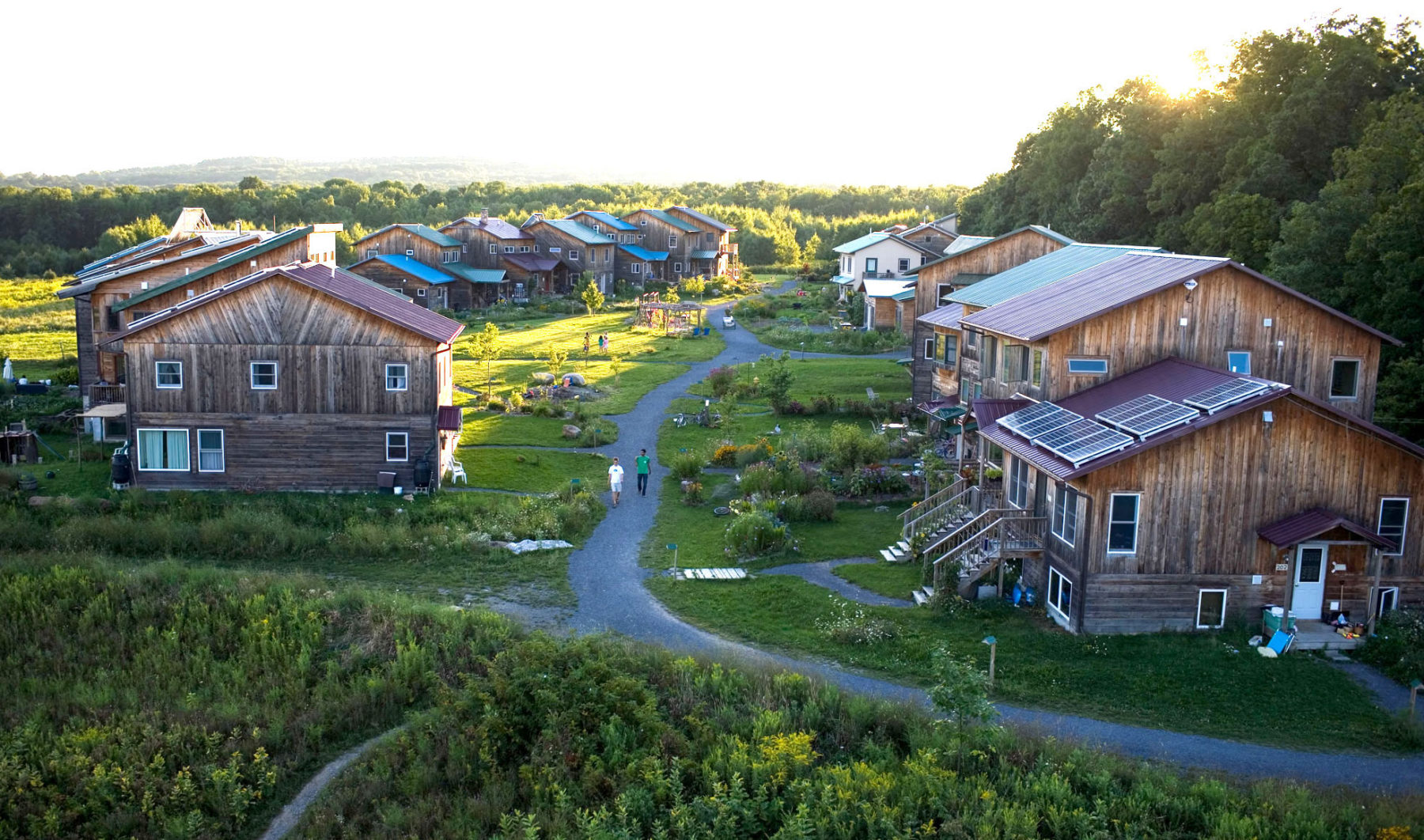
The Concept of Ecovillage: Building Sustainable Communities for the Future
Ecovillages are intentional communities that strive to live in harmony with nature, promote sustainability, and foster a sense of community and shared values among their residents. These innovative settlements are designed to minimize environmental impact, encourage self-sufficiency, and create a more holistic way of living.
One of the key principles of ecovillages is environmental stewardship. Residents often implement eco-friendly practices such as renewable energy sources, organic farming, waste reduction and recycling, and water conservation. By prioritizing sustainability in their daily lives, ecovillage residents aim to reduce their carbon footprint and protect the planet for future generations.
Another important aspect of ecovillages is community building. Residents come together to make decisions through consensus-based processes, share resources and responsibilities, and support each other in various aspects of life. This sense of belonging and interconnectedness fosters a strong community bond that is often lacking in mainstream society.
Many ecovillages also focus on social well-being and personal growth. They offer opportunities for learning, skill-sharing, creativity, and personal development. Residents engage in activities such as workshops, communal meals, cultural events, and mutual support networks to enhance their quality of life and cultivate a sense of fulfillment.
Overall, ecovillages represent a vision for a more sustainable and equitable future. By demonstrating alternative ways of living that prioritize environmental responsibility, social cohesion, and individual well-being, these communities serve as beacons of hope in a world facing pressing ecological challenges. As we look towards building a more resilient and harmonious society, the concept of ecovillage offers valuable lessons on how we can create thriving communities that nurture both people and the planet.
6 Essential Tips for Building a Thriving Ecovillage Community
- Practice sustainable living by reducing waste and conserving resources.
- Grow your own food using organic and permaculture methods.
- Promote community engagement through shared activities and decision-making processes.
- Implement renewable energy sources such as solar panels and wind turbines.
- Encourage biodiversity by preserving natural habitats within the ecovillage.
- Educate members and visitors about environmental stewardship and eco-friendly practices.
Practice sustainable living by reducing waste and conserving resources.
By practicing sustainable living in an ecovillage, residents can make a significant impact by reducing waste and conserving resources. Implementing practices such as recycling, composting, and minimizing single-use items not only helps to reduce the ecological footprint of the community but also promotes a culture of environmental awareness and responsibility. By conserving resources like water and energy through efficient use and renewable sources, ecovillage residents contribute to a more sustainable way of life that benefits both the local environment and the wider ecosystem.
Grow your own food using organic and permaculture methods.
By growing your own food using organic and permaculture methods in an ecovillage, you can contribute to a more sustainable and self-sufficient community. Organic farming practices eliminate the use of harmful chemicals, promoting healthier soil and produce while reducing environmental impact. Permaculture techniques focus on designing ecosystems that mimic natural patterns, enhancing biodiversity and resilience. By cultivating food in this way, ecovillage residents not only ensure access to fresh, nutritious produce but also foster a deeper connection to the land and a sense of empowerment in providing for themselves and their community.
Promote community engagement through shared activities and decision-making processes.
To foster a strong sense of community within an ecovillage, it is essential to promote community engagement through shared activities and inclusive decision-making processes. By organizing communal events, workshops, and gatherings, residents can come together to bond, share knowledge, and build relationships based on common values. Additionally, involving all members in decision-making processes ensures that everyone has a voice and a stake in shaping the direction of the community. This collaborative approach not only strengthens the social fabric of the ecovillage but also empowers individuals to actively participate in creating a sustainable and harmonious living environment for all.
Implement renewable energy sources such as solar panels and wind turbines.
Implementing renewable energy sources such as solar panels and wind turbines is a crucial step towards creating a sustainable ecovillage. By harnessing the power of the sun and wind, ecovillages can significantly reduce their reliance on fossil fuels and decrease their carbon footprint. Not only do these renewable energy sources help minimize environmental impact, but they also promote self-sufficiency and resilience within the community. Embracing clean energy technologies not only benefits the environment but also sets a positive example for others to follow in transitioning towards a more sustainable future.
Encourage biodiversity by preserving natural habitats within the ecovillage.
One crucial tip for creating a thriving ecovillage is to encourage biodiversity by preserving natural habitats within the community. By safeguarding and nurturing the diverse ecosystems that exist within the ecovillage, residents can promote the health of local flora and fauna, enhance ecological balance, and contribute to overall environmental sustainability. Preserving natural habitats also fosters a deeper connection to the surrounding environment, allowing residents to appreciate and learn from the richness of biodiversity while actively protecting precious ecosystems for future generations.
Educate members and visitors about environmental stewardship and eco-friendly practices.
It is essential for ecovillages to prioritize educating their members and visitors about environmental stewardship and eco-friendly practices. By raising awareness and providing knowledge about sustainable living, ecovillages empower individuals to make informed choices that benefit the environment. Through educational initiatives, such as workshops, seminars, and hands-on activities, ecovillages can inspire a culture of conservation and responsible resource management within their community. By instilling a sense of environmental consciousness in both residents and guests, ecovillages contribute to a more sustainable future for all.