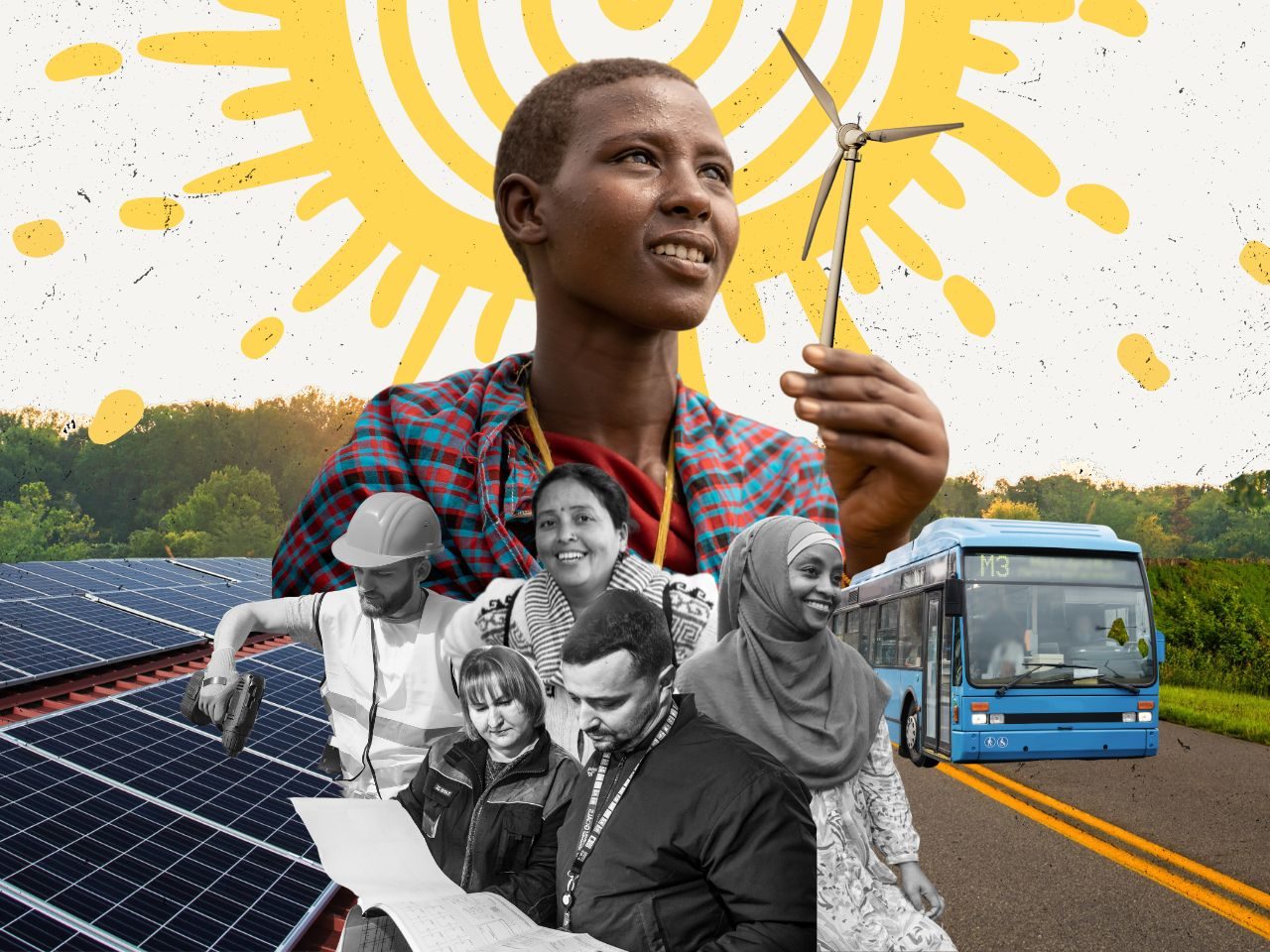
The Interplay of Energy and Sustainability: Building a Greener Future
Energy and sustainability are two interconnected pillars that shape the future of our planet. As the global population grows and industrialization expands, the demand for energy continues to rise. However, this increasing demand comes with significant environmental consequences, from carbon emissions to resource depletion.
At the heart of the energy-sustainability nexus lies the urgent need to transition towards renewable and sustainable energy sources. Fossil fuels, which have long been the primary source of energy worldwide, are finite resources that contribute to climate change and air pollution. Embracing renewable energy sources such as solar, wind, hydroelectric, and geothermal power is crucial in mitigating these environmental impacts.
Renewable energy offers a cleaner alternative that not only reduces greenhouse gas emissions but also promotes energy independence and resilience. By investing in renewable technologies and infrastructure, countries can diversify their energy mix and reduce their reliance on fossil fuels.
Furthermore, sustainable energy practices encompass more than just the type of energy we use. Energy efficiency plays a vital role in reducing overall energy consumption and minimizing waste. Implementing energy-efficient technologies in buildings, transportation, and industries can significantly lower carbon footprints and contribute to a more sustainable future.
The shift towards sustainable energy is not only an environmental imperative but also an economic opportunity. Investing in clean energy technologies creates jobs, stimulates innovation, and drives economic growth. By embracing sustainability in our energy systems, we can build a greener economy that benefits both people and the planet.
In conclusion, the interplay of energy and sustainability is crucial for shaping a more resilient and environmentally conscious future. By prioritizing renewable energy sources, promoting energy efficiency, and fostering innovation in clean technologies, we can pave the way towards a sustainable world for generations to come.
Understanding Energy and Sustainability: Key Questions Answered
- Why is sustainability energy important?
- What are the problems with energy and sustainability?
- What does Elon Musk say about energy?
- What are the 4 main types of sustainable energy?
- How is energy related to sustainability?
Why is sustainability energy important?
Understanding the importance of sustainable energy is paramount in addressing the pressing environmental challenges we face today. Sustainability in energy not only helps mitigate the negative impacts of traditional fossil fuel consumption on our planet, such as climate change and air pollution, but also ensures a secure and resilient energy future for generations to come. By transitioning to renewable sources of energy and promoting energy efficiency practices, we can reduce carbon emissions, preserve natural resources, and create a more sustainable environment for both current and future populations. Embracing sustainability in energy is not just a choice but a necessity for building a greener and more sustainable world.
What are the problems with energy and sustainability?
The question of “What are the problems with energy and sustainability?” raises crucial concerns about the current state of our energy systems and their impact on the environment. One of the key issues is the heavy reliance on fossil fuels, which not only contribute to climate change through greenhouse gas emissions but also deplete finite resources. Additionally, inefficient energy practices and infrastructure lead to wasteful consumption and higher carbon footprints. Lack of investment in renewable energy sources and sustainable technologies further exacerbates these challenges, hindering progress towards a more sustainable future. Addressing these problems requires a comprehensive shift towards cleaner, renewable energy sources and implementing sustainable practices to mitigate environmental degradation and promote long-term sustainability.
What does Elon Musk say about energy?
Elon Musk, a prominent figure in the tech and energy industry, has been vocal about the importance of transitioning to sustainable energy sources. Musk advocates for accelerating the shift towards renewable energy to combat climate change and reduce our dependence on fossil fuels. Through his companies like Tesla and SpaceX, Musk has championed innovations in electric vehicles, solar power, and energy storage solutions. His vision for a sustainable future includes widespread adoption of clean energy technologies to create a more environmentally friendly and resilient energy infrastructure. Musk’s bold initiatives and advocacy for sustainable energy have inspired many to rethink traditional approaches to energy production and consumption.
What are the 4 main types of sustainable energy?
When addressing the frequently asked question about the four main types of sustainable energy, it is essential to highlight the diversity and potential of renewable sources. The four primary types of sustainable energy include solar power, wind power, hydroelectric power, and geothermal energy. Solar power harnesses sunlight to generate electricity, offering a clean and abundant source of energy. Wind power utilizes wind turbines to convert wind energy into electricity, providing a reliable and environmentally friendly alternative. Hydroelectric power involves generating electricity from flowing water in rivers or dams, offering a consistent and renewable energy source. Geothermal energy taps into the Earth’s heat to produce electricity and heat buildings sustainably. Embracing these four main types of sustainable energy is crucial in transitioning towards a more environmentally friendly and resilient energy future.
How is energy related to sustainability?
The relationship between energy and sustainability is fundamental to addressing the environmental challenges of our time. Energy plays a pivotal role in determining the sustainability of our planet, as the sources of energy we rely on have significant impacts on the environment. By transitioning to renewable and sustainable energy sources, we can reduce carbon emissions, combat climate change, and preserve natural resources for future generations. Sustainable energy practices not only promote environmental stewardship but also contribute to economic growth and social well-being. Embracing sustainable energy solutions is essential for achieving a harmonious balance between meeting current energy needs and safeguarding the health of our planet for years to come.