
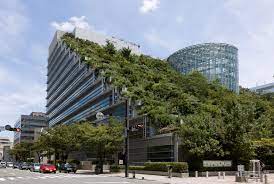
The Beauty and Importance of Sustainable Architecture
Architecture is more than just the design of buildings; it is a reflection of our values, priorities, and relationship with the environment. In recent years, the concept of sustainable architecture has gained significant traction as a response to the pressing environmental challenges we face today.
Sustainable architecture focuses on creating buildings that are not only aesthetically pleasing but also environmentally friendly and energy-efficient. This approach takes into consideration the entire life cycle of a building, from design and construction to operation and eventual demolition or renovation.
Key Principles of Sustainable Architecture
Several key principles guide sustainable architecture:
- Energy Efficiency: Sustainable buildings are designed to minimize energy consumption through features such as natural lighting, efficient insulation, and renewable energy sources like solar panels.
- Resource Conservation: Sustainable architects prioritize the use of recycled materials, responsibly sourced wood, and other eco-friendly building materials to reduce waste and environmental impact.
- Water Management: Sustainable buildings incorporate water-saving technologies such as rainwater harvesting systems, greywater recycling, and low-flow fixtures to minimize water usage.
- Biophilic Design: Biophilic design principles aim to connect occupants with nature by incorporating elements like green roofs, indoor plants, and natural ventilation systems.
- Adaptability and Resilience: Sustainable architecture considers the long-term impact of climate change and aims to create buildings that can adapt to changing environmental conditions.
The Benefits of Sustainable Architecture
The adoption of sustainable architecture offers numerous benefits for both individuals and society as a whole. Energy-efficient buildings reduce operating costs for owners and tenants while also lowering carbon emissions and reducing reliance on fossil fuels. Improved indoor air quality in sustainable buildings contributes to occupant health and well-being. Additionally, sustainable architecture can help mitigate climate change by reducing greenhouse gas emissions associated with traditional building practices.
The Future of Architecture
As we confront the challenges posed by climate change and resource depletion, sustainable architecture has emerged as a crucial element in creating a more resilient and environmentally conscious built environment. By embracing the principles of sustainability in architectural design, we can create spaces that not only enhance our quality of life but also protect the planet for future generations.
6 Essential Tips for Sustainable Architecture: Building a Greener Future
- Incorporate passive design strategies to reduce energy consumption.
- Use sustainable materials such as bamboo, reclaimed wood, and recycled metal.
- Opt for energy-efficient lighting fixtures and appliances.
- Integrate green roofs or living walls to improve insulation and air quality.
- Maximize natural light and ventilation to minimize the need for artificial heating and cooling.
- Consider water-saving techniques like rainwater harvesting and greywater recycling.
Incorporate passive design strategies to reduce energy consumption.
In sustainable architecture, incorporating passive design strategies is a key tip to reduce energy consumption. By utilizing elements such as natural lighting, proper insulation, and strategic building orientation, architects can optimize the building’s energy efficiency without relying heavily on mechanical systems. Passive design strategies not only help lower energy bills but also contribute to a more comfortable and environmentally friendly living or working environment.
Use sustainable materials such as bamboo, reclaimed wood, and recycled metal.
When designing sustainable architecture, it is essential to prioritize the use of environmentally friendly materials. Incorporating sustainable materials like bamboo, reclaimed wood, and recycled metal not only reduces the demand for new resources but also minimizes waste and environmental impact. Bamboo is a rapidly renewable resource known for its strength and versatility, making it an excellent choice for construction. Reclaimed wood adds character to a building while reducing the need for logging new trees. Recycled metal offers durability and can be repurposed multiple times, further extending its lifespan. By utilizing these sustainable materials in architectural projects, designers can create buildings that are both eco-friendly and aesthetically appealing.
Opt for energy-efficient lighting fixtures and appliances.
When incorporating sustainable architecture principles, it is advisable to opt for energy-efficient lighting fixtures and appliances. By choosing lighting solutions and appliances that are designed to minimize energy consumption, such as LED lights and ENERGY STAR-rated appliances, you can significantly reduce your building’s overall energy usage. This not only lowers utility costs but also contributes to a more environmentally friendly and sustainable approach to building design and operation.
Integrate green roofs or living walls to improve insulation and air quality.
Integrating green roofs or living walls into architectural designs is a sustainable practice that offers multiple benefits. Green roofs, covered with vegetation, help improve insulation by reducing heat gain in the summer and heat loss in the winter, thereby lowering energy consumption for heating and cooling. Additionally, green roofs and living walls contribute to enhanced air quality by filtering pollutants and capturing carbon dioxide, promoting a healthier indoor environment for occupants. By incorporating these green features into buildings, architects can not only improve energy efficiency but also create healthier and more sustainable spaces that prioritize both human well-being and environmental conservation.
Maximize natural light and ventilation to minimize the need for artificial heating and cooling.
Maximizing natural light and ventilation in architectural design is a key strategy in sustainable architecture to reduce the reliance on artificial heating and cooling systems. By allowing ample natural light to enter a building and optimizing cross-ventilation, architects can create spaces that are not only energy-efficient but also promote occupant comfort and well-being. This approach not only decreases energy consumption but also enhances the overall sustainability of a building, contributing to a healthier indoor environment and lower carbon footprint.
Consider water-saving techniques like rainwater harvesting and greywater recycling.
When incorporating sustainable architecture practices, it is essential to consider water-saving techniques such as rainwater harvesting and greywater recycling. By implementing these methods, buildings can reduce their reliance on traditional water sources and minimize water waste. Rainwater harvesting captures and stores rainwater for later use in irrigation or non-potable applications, helping to conserve freshwater resources. Greywater recycling involves treating wastewater from sinks, showers, and laundry for reuse in activities like flushing toilets or watering plants. These strategies not only promote water conservation but also contribute to the overall sustainability and efficiency of a building’s water management system.