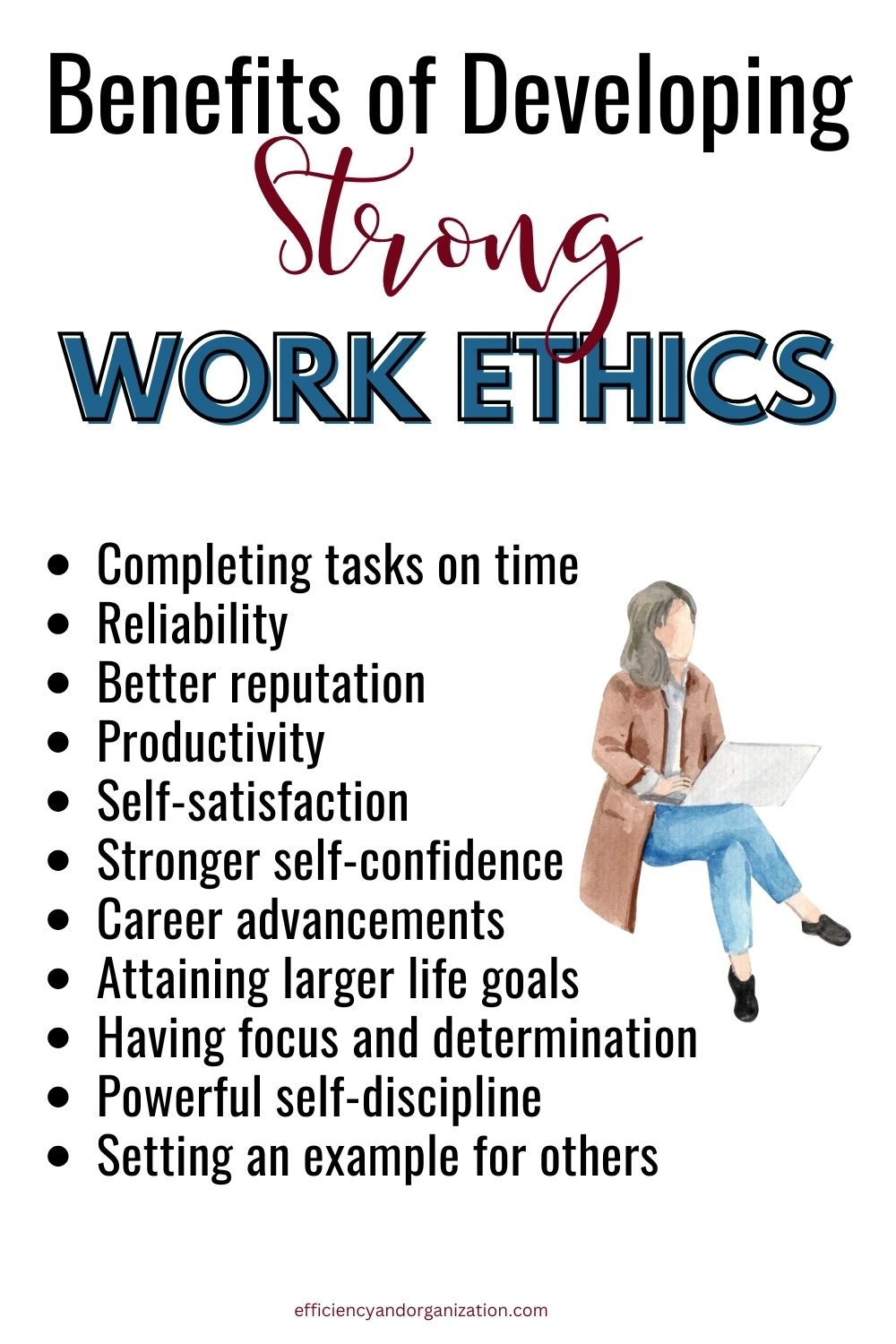
The Importance of Work Ethics: A Real-Life Example
Work ethics play a crucial role in shaping an individual’s professional reputation and success. Let’s delve into a real-life example that demonstrates the significance of strong work ethics.
The Story of Sarah:
Sarah, a dedicated marketing executive at a leading advertising agency, exemplifies exceptional work ethics in her daily endeavors. She consistently arrives at the office before the scheduled time, demonstrating punctuality and commitment to her role.
Furthermore, Sarah actively participates in team meetings, offering valuable insights and solutions to complex challenges. Her strong work ethics are evident in her willingness to go the extra mile to ensure project deadlines are met without compromising on quality.
Key Traits of Sarah’s Work Ethics:
- Reliability: Sarah can be counted on to deliver results consistently and on time, earning the trust of her colleagues and superiors.
- Integrity: She upholds high ethical standards in all her interactions, fostering a culture of honesty and transparency within the team.
- Diligence: Sarah approaches tasks with diligence and attention to detail, ensuring that every project is executed with precision.
- Professionalism: She maintains a professional demeanor at all times, treating clients and coworkers with respect and courtesy.
The Impact of Strong Work Ethics:
Sarah’s exemplary work ethics have not gone unnoticed. Her dedication and professionalism have earned her accolades from clients and colleagues alike. Moreover, she has been entrusted with challenging projects that showcase her leadership abilities and problem-solving skills.
In conclusion, Sarah’s story serves as a testament to the importance of work ethics in achieving professional success. By embodying traits such as reliability, integrity, diligence, and professionalism, individuals can set themselves apart in the workplace and build a solid foundation for their career growth.
9 Benefits of Strong Work Ethics: Boosting Careers and Workplace Success
- Enhances professional reputation
- Builds trust with colleagues and superiors
- Leads to increased opportunities for career advancement
- Fosters a positive work environment
- Demonstrates commitment and dedication
- Improves teamwork and collaboration
- Ensures projects are completed efficiently and effectively
- Sets a positive example for others in the workplace
- Contributes to personal growth and development
6 Consequences of Weak Work Ethics in the Workplace
- Lack of work ethics can lead to missed deadlines and poor project outcomes.
- Employees with weak work ethics may exhibit unprofessional behavior, causing conflicts in the workplace.
- Poor work ethics can result in a negative reputation for both the individual and the organization.
- Individuals lacking work ethics may struggle to gain trust and respect from their colleagues and superiors.
- Without strong work ethics, employees may prioritize personal interests over the goals of the team or organization.
- A culture of weak work ethics can demotivate high-performing employees and hinder overall productivity.
Enhances professional reputation
Maintaining strong work ethics, such as reliability, integrity, and professionalism, significantly enhances one’s professional reputation in the workplace. When individuals consistently demonstrate a commitment to ethical behavior and diligent work practices, they earn the trust and respect of their peers, superiors, and clients. A positive professional reputation not only opens doors to new opportunities but also solidifies one’s standing within the organization. Employers value employees with a stellar work ethic as they are seen as reliable team members who can be counted on to deliver high-quality results consistently. Ultimately, enhancing one’s professional reputation through exemplary work ethics paves the way for long-term career success and growth.
Builds trust with colleagues and superiors
Building trust with colleagues and superiors is a fundamental pro of strong work ethics in the professional realm. When individuals consistently demonstrate reliability, integrity, and professionalism in their work, they establish a reputation for being trustworthy and dependable. Colleagues are more likely to collaborate effectively with someone they trust, leading to improved teamwork and productivity. Similarly, superiors value employees who uphold high ethical standards, as it fosters a positive work environment built on mutual respect and transparency. Ultimately, building trust through exemplary work ethics not only enhances one’s professional relationships but also paves the way for career advancement and success.
Leads to increased opportunities for career advancement
Strong work ethics, as demonstrated by individuals like Sarah in the workplace, lead to increased opportunities for career advancement. When employees exhibit traits such as reliability, integrity, diligence, and professionalism, they not only earn the trust and respect of their peers and superiors but also position themselves as valuable assets within their organizations. Employers are more likely to recognize and reward employees who consistently display strong work ethics with promotions, challenging assignments, and leadership roles. By maintaining a reputation for excellence in their work ethic, individuals open doors to new opportunities for career growth and development.
Fosters a positive work environment
Strong work ethics, exemplified by individuals like Sarah in our previous example, have the remarkable ability to foster a positive work environment. When employees uphold values such as reliability, integrity, and professionalism, it creates a culture of mutual respect and trust within the workplace. Colleagues feel confident in each other’s abilities, leading to improved collaboration and communication. A positive work environment not only enhances employee morale and satisfaction but also boosts productivity and overall organizational success. By promoting a culture of strong work ethics, companies can create a harmonious atmosphere where individuals thrive and contribute their best efforts towards common goals.
Demonstrates commitment and dedication
Demonstrating commitment and dedication in the workplace is a key pro of strong work ethics. When an individual consistently exhibits these qualities, like Sarah in the example, it not only showcases their reliability but also underscores their passion for their work. By showing unwavering commitment to tasks and projects, employees like Sarah inspire trust among colleagues and superiors, ultimately leading to increased opportunities for growth and recognition within the organization. Commitment and dedication are foundational pillars of work ethics that drive individuals to strive for excellence and achieve success in their professional endeavors.
Improves teamwork and collaboration
Strong work ethics significantly enhance teamwork and collaboration within an organization. When individuals uphold values such as reliability, integrity, and professionalism in their work, it fosters a positive working environment where team members can trust and depend on one another. By demonstrating a strong work ethic, employees set a standard for accountability and dedication, encouraging teamwork to flourish. Effective collaboration thrives when each team member is committed to upholding ethical standards and working towards common goals, ultimately leading to increased productivity and success for the organization as a whole.
Ensures projects are completed efficiently and effectively
Having strong work ethics, such as reliability, diligence, and professionalism, ensures that projects are completed efficiently and effectively. When individuals uphold these values in their work approach, they prioritize meeting deadlines, maintaining quality standards, and collaborating effectively with team members. This commitment to excellence not only boosts productivity but also enhances the overall success of projects. By embodying a strong work ethic, individuals contribute to creating a work environment where tasks are accomplished in a timely manner and outcomes meet or exceed expectations.
Sets a positive example for others in the workplace
Setting a positive example for others in the workplace is a significant pro of strong work ethics. When individuals like Sarah demonstrate unwavering commitment, integrity, and professionalism in their work, they inspire their colleagues to strive for excellence as well. By embodying values such as reliability and diligence, they create a culture of accountability and high standards within the organization. This ripple effect not only enhances team dynamics but also fosters a productive and positive work environment where mutual respect and collaboration thrive. Ultimately, leading by example in terms of work ethics can contribute to the overall success and morale of the entire workforce.
Contributes to personal growth and development
Strong work ethics contribute significantly to personal growth and development. By embodying values such as diligence, integrity, and professionalism in the workplace, individuals not only enhance their professional reputation but also cultivate essential skills that transcend their career. The discipline required to maintain high work ethics fosters a sense of responsibility and accountability, leading to continuous self-improvement. Additionally, navigating challenges with integrity and dedication provides valuable learning opportunities that promote personal growth and resilience in the face of adversity. Ultimately, prioritizing work ethics not only benefits one’s professional success but also nurtures a well-rounded individual committed to ongoing development.
Lack of work ethics can lead to missed deadlines and poor project outcomes.
A significant con of lacking strong work ethics is the potential for missed deadlines and subpar project outcomes. When individuals do not prioritize traits such as reliability, diligence, and integrity in their work, the likelihood of failing to meet project deadlines increases. This can result in delays, decreased productivity, and ultimately, dissatisfied clients or stakeholders. Furthermore, a lack of work ethics may lead to a decline in the quality of work produced, as attention to detail and commitment to excellence are compromised. Ultimately, the absence of strong work ethics can have detrimental effects on both individual performance and overall project success.
Employees with weak work ethics may exhibit unprofessional behavior, causing conflicts in the workplace.
Employees with weak work ethics may exhibit unprofessional behavior, causing conflicts in the workplace. When individuals lack a strong sense of work ethics, they may demonstrate behaviors such as frequent tardiness, incomplete tasks, or a lack of accountability. This can lead to strained relationships with colleagues and supervisors, as well as a negative impact on team dynamics and overall productivity. Inconsistent work habits and a disregard for professional standards can create a toxic work environment where trust is compromised and conflicts arise. It is essential for organizations to address and mitigate such issues to maintain a harmonious workplace culture built on strong work ethics and mutual respect.
Poor work ethics can result in a negative reputation for both the individual and the organization.
Poor work ethics can have detrimental consequences, leading to a negative reputation for both the individual and the organization. When an employee demonstrates a lack of reliability, integrity, or professionalism in their work ethic, it can erode trust among colleagues and clients. This can tarnish the individual’s reputation as well as reflect poorly on the organization as a whole. Consistent instances of poor work ethics may result in missed opportunities for career advancement and damage to the company’s credibility in the industry. It is essential for individuals and organizations to prioritize strong work ethics to maintain a positive image and foster a culture of excellence.
Individuals lacking work ethics may struggle to gain trust and respect from their colleagues and superiors.
Individuals lacking work ethics may struggle to gain trust and respect from their colleagues and superiors. When employees fail to demonstrate qualities such as reliability, integrity, and professionalism in their work ethic, it can erode confidence in their abilities and commitment. Colleagues may hesitate to collaborate with them on important projects, while superiors may question their reliability to meet deadlines and deliver results. Ultimately, the absence of strong work ethics can hinder an individual’s professional growth and impact their reputation within the workplace.
Without strong work ethics, employees may prioritize personal interests over the goals of the team or organization.
When lacking strong work ethics, employees may prioritize personal interests over the collective goals of the team or organization. This can lead to a breakdown in teamwork, hinder progress on projects, and ultimately impact the overall success of the organization. Without a commitment to professionalism, integrity, and dedication to their work, individuals may become more focused on advancing their own agenda rather than contributing to the greater good of the team. In such scenarios, the lack of strong work ethics can create discord within the workplace and impede collaboration and productivity.
A culture of weak work ethics can demotivate high-performing employees and hinder overall productivity.
In a work environment where weak work ethics prevail, high-performing employees can often feel demotivated and undervalued. When colleagues do not uphold standards of punctuality, diligence, and professionalism, it can create a sense of unfairness and frustration among those who consistently strive for excellence. This demotivation can lead to a decline in morale and productivity as high-performing employees may question the value of their hard work in a culture that does not prioritize strong work ethics. Ultimately, a culture of weak work ethics can hinder overall productivity by diminishing the drive and enthusiasm of those employees who are committed to upholding ethical standards in their professional conduct.