The Transformative Power of Artificial Intelligence and Machine Learning
Artificial Intelligence (AI) and Machine Learning (ML) are at the forefront of technological innovation, reshaping industries and redefining how we interact with the world. These technologies have moved from theoretical concepts to practical applications that influence various aspects of daily life.
Understanding AI and ML
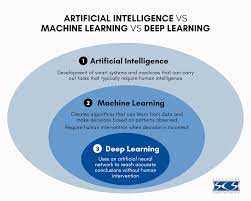
AI refers to the capability of machines to perform tasks that typically require human intelligence. This includes problem-solving, understanding natural language, recognizing patterns, and making decisions. Machine Learning, a subset of AI, involves training algorithms on large datasets to enable systems to learn from data patterns and improve over time without being explicitly programmed.
Applications Across Industries
The impact of AI and ML is evident across multiple sectors:
- Healthcare: AI-powered diagnostic tools assist doctors in identifying diseases more accurately. Predictive analytics help in personalizing treatment plans based on patient data.
- Finance: Algorithms analyze market trends for better investment decisions. Fraud detection systems leverage ML to identify unusual transaction patterns.
- Retail: Personalized shopping experiences are enhanced by recommendation engines that learn consumer preferences.
- Automotive: Self-driving cars use AI to navigate roads safely by processing real-time data from sensors and cameras.
The Challenges Ahead
Despite its potential, AI and ML also present challenges. Ethical considerations such as bias in algorithms, data privacy concerns, and the potential for job displacement need careful management. Ensuring transparency in AI decision-making processes is crucial for building trust among users.
The Future of AI and ML
The future promises even more advanced applications as technology continues to evolve. From enhancing human capabilities with augmented reality to revolutionizing industries with automation, the possibilities are vast. Researchers are also exploring ways to make AI more energy-efficient and sustainable.
Conclusion
AI and ML are not just buzzwords; they represent a profound shift in how technology can augment human abilities and transform industries. As these technologies advance, they will continue to offer innovative solutions that address complex challenges while raising important ethical questions that society must address collectively.
Mastering Machine Learning: 5 Essential Tips for Success in AI
- Understand the basics of machine learning algorithms and their applications.
- Collect and prepare high-quality data for training machine learning models.
- Regularly evaluate and fine-tune your machine learning models to improve performance.
- Stay updated with the latest trends and advancements in artificial intelligence and machine learning.
- Collaborate with domain experts to ensure that your machine learning solutions address real-world problems effectively.
Understand the basics of machine learning algorithms and their applications.
Understanding the basics of machine learning algorithms and their applications is crucial for anyone looking to leverage artificial intelligence effectively. Machine learning algorithms are the backbone of AI systems, enabling them to learn from data, identify patterns, and make informed decisions. By grasping fundamental concepts such as supervised and unsupervised learning, decision trees, neural networks, and clustering techniques, individuals can better comprehend how these tools solve real-world problems. Whether it’s enhancing customer experience through personalized recommendations or improving healthcare outcomes with predictive analytics, a solid foundation in machine learning allows for more strategic implementation across various industries. This knowledge not only empowers professionals to innovate but also helps them navigate the ethical and practical challenges associated with deploying AI technologies.
Collect and prepare high-quality data for training machine learning models.
To maximize the effectiveness of machine learning models, it is crucial to collect and prepare high-quality data for training purposes. The accuracy and reliability of the data directly impact the model’s performance and predictive capabilities. By ensuring that the data is clean, relevant, and representative of the problem domain, organizations can enhance the model’s ability to learn patterns and make informed decisions. Proper data preparation sets a solid foundation for successful machine learning applications, enabling businesses to derive valuable insights and drive meaningful outcomes.
Regularly evaluate and fine-tune your machine learning models to improve performance.
To enhance the performance of your machine learning models, it is essential to consistently assess and refine them. Regular evaluation allows you to identify areas for improvement and make necessary adjustments to achieve better results. By fine-tuning your models based on ongoing assessments, you can optimize their accuracy, efficiency, and overall effectiveness in handling complex tasks. This iterative process not only enhances the model’s performance but also ensures its relevance and reliability in real-world applications.
Stay updated with the latest trends and advancements in artificial intelligence and machine learning.
Staying updated with the latest trends and advancements in artificial intelligence (AI) and machine learning (ML) is crucial for anyone involved in technology today. The rapid pace of innovation means that new algorithms, tools, and applications are constantly being developed, each offering unique opportunities and challenges. By keeping abreast of these changes, professionals can leverage cutting-edge techniques to enhance their projects, optimize processes, and maintain a competitive edge in their fields. Additionally, understanding the latest developments helps individuals anticipate future shifts in the industry, ensuring they are prepared for emerging technologies that could revolutionize various sectors. Engaging with AI and ML communities through conferences, online courses, and publications allows for continuous learning and adaptation in this dynamic landscape.
Collaborate with domain experts to ensure that your machine learning solutions address real-world problems effectively.
When developing machine learning solutions, collaborating with domain experts is essential to ensure that the technology effectively addresses real-world problems. Domain experts bring invaluable insights and expertise that can guide the development process, leading to more relevant and impactful solutions. By working closely with experts in the field, machine learning practitioners can tailor their algorithms to meet specific needs, improve accuracy, and ultimately deliver solutions that make a meaningful difference in solving practical challenges.