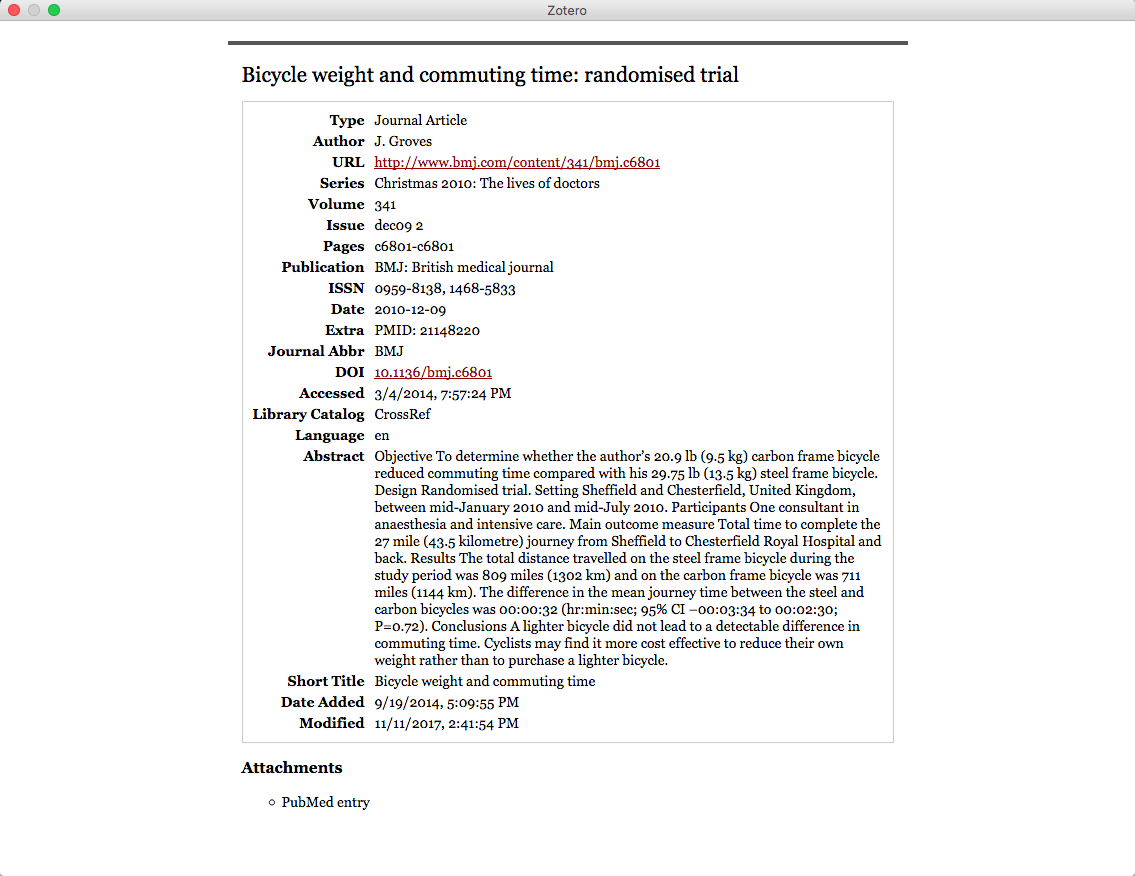
The Importance of Reports in Modern Business
Reports play a crucial role in the functioning of modern businesses. They provide valuable insights, data, and analysis that enable organizations to make informed decisions and track their progress towards goals. Whether it’s a financial report detailing revenue and expenses or a marketing report analyzing campaign performance, reports are essential tools for business success.
Types of Reports
There are various types of reports used in business, each serving a specific purpose:
- Financial Reports: These reports provide an overview of a company’s financial performance, including income statements, balance sheets, and cash flow statements.
- Marketing Reports: Marketing reports analyze the effectiveness of marketing campaigns, customer engagement, and return on investment (ROI).
- Sales Reports: Sales reports track sales performance, trends, and forecasts to help identify opportunities for growth.
- Operational Reports: These reports focus on operational processes within the organization, such as production efficiency and resource utilization.
The Benefits of Reporting
Reporting offers several benefits to businesses:
- Data-Driven Decision Making: By providing accurate data and analysis, reports help decision-makers make informed choices based on evidence rather than intuition.
- Performance Evaluation: Reports allow businesses to assess their performance against key metrics and goals, identifying areas for improvement or optimization.
- Communication Tool: Reports serve as a communication tool within the organization, ensuring that all stakeholders are informed about progress and challenges.
- Evidence of Compliance: In regulated industries, reports serve as evidence of compliance with laws and regulations governing business operations.
Tips for Effective Reporting
To ensure that reports are impactful and useful, consider the following tips:
- Clear Objectives: Define the purpose of the report and what information needs to be included to achieve those objectives.
- Data Accuracy: Ensure that data used in the report is accurate and up-to-date to avoid misleading conclusions.
- Visual Representation: Use charts, graphs, and visuals to present data in a clear and engaging manner that is easy to interpret.
- Actionable Insights: Provide recommendations or insights based on the data presented in the report to drive action and decision-making.
In conclusion, reports are indispensable tools for modern businesses looking to thrive in a competitive environment. By leveraging the power of reporting, organizations can gain valuable insights into their operations, identify opportunities for growth, and make strategic decisions that drive success.
Understanding Business Reports: Key FAQs and Their Answers
- What is a report?
- Why are reports important in business?
- What are the different types of reports?
- How do you write an effective report?
- What should be included in a financial report?
- How often should reports be generated in a business setting?
- What is the purpose of a sales report?
- How can reports help with decision-making in organizations?
- Are there tools or software available to assist with creating reports?
What is a report?
A report is a formal document that presents information in a structured format, typically to convey findings, analysis, or recommendations on a specific topic or issue. Reports are commonly used in various fields such as business, academia, and government to communicate data, research results, or progress updates. They often include an introduction outlining the purpose of the report, a methodology section detailing how the information was gathered or analyzed, results or findings presented in a clear and organized manner, and conclusions or recommendations based on the data presented. Reports serve as valuable tools for decision-making and information sharing, providing stakeholders with insights that can inform actions and strategies.
Why are reports important in business?
Reports are essential in business for several reasons. They provide valuable insights and data that enable informed decision-making, allowing organizations to track their performance, identify trends, and make strategic adjustments. Reports help businesses evaluate their financial health, marketing effectiveness, sales performance, and operational efficiency. By presenting information in a structured format, reports facilitate communication within the organization and ensure that all stakeholders are on the same page regarding progress and challenges. Ultimately, reports play a crucial role in helping businesses stay competitive, compliant with regulations, and responsive to changing market conditions.
What are the different types of reports?
When it comes to reports, there are various types that serve specific purposes in different aspects of business and organizations. Some common types of reports include financial reports, which provide insights into a company’s financial performance through details like income statements and balance sheets. Marketing reports focus on analyzing the effectiveness of marketing strategies and campaigns, while sales reports track sales performance and trends. Operational reports delve into the operational processes within an organization, such as production efficiency and resource utilization. Each type of report offers valuable information that aids decision-making and helps in evaluating performance across various functions.
How do you write an effective report?
When it comes to writing an effective report, several key principles should be kept in mind. Firstly, clearly define the purpose and objectives of the report to ensure that the content remains focused and relevant. Organize the information in a logical manner, starting with an introduction that outlines the scope of the report and its significance. Use headings and subheadings to break down complex information into digestible sections. Ensure that the data presented is accurate, up-to-date, and supported by credible sources. Utilize visuals such as charts or graphs to enhance understanding and make the content more engaging. Finally, provide actionable insights or recommendations based on the analysis presented in the report to guide decision-making and facilitate positive outcomes. By following these guidelines, one can effectively communicate their findings and analysis in a report format that is both informative and impactful.
What should be included in a financial report?
A comprehensive financial report should include key components that provide a clear picture of a company’s financial performance and position. These components typically consist of an income statement, balance sheet, cash flow statement, and notes to the financial statements. The income statement details the revenues, expenses, and profitability over a specific period. The balance sheet presents the company’s assets, liabilities, and equity at a given point in time. The cash flow statement shows how cash flows in and out of the business. Additionally, including notes to the financial statements can offer further explanations and details regarding specific items in the report, ensuring transparency and clarity for stakeholders analyzing the financial health of the organization.
How often should reports be generated in a business setting?
In a business setting, the frequency of generating reports depends on the specific needs and objectives of the organization. Generally, reports should be generated regularly to provide timely insights and updates on key metrics and performance indicators. For some businesses, daily or weekly reports may be necessary to track real-time data and trends, especially in fast-paced industries such as finance or retail. Other businesses may find that monthly or quarterly reports are sufficient for monitoring progress towards long-term goals and strategic planning. Ultimately, the frequency of report generation should align with the business’s operational requirements, decision-making processes, and the need for timely information to drive informed actions.
What is the purpose of a sales report?
A sales report serves the critical purpose of providing a comprehensive overview of an organization’s sales performance and activities within a specified period. By analyzing key metrics such as revenue generated, units sold, customer acquisition rates, and sales trends, the sales report offers valuable insights into the effectiveness of sales strategies and the overall health of the business. This data-driven document not only helps businesses track their progress towards sales targets but also enables them to identify areas for improvement, optimize sales processes, and make informed decisions to boost profitability and drive growth.
How can reports help with decision-making in organizations?
Reports play a crucial role in aiding decision-making within organizations by providing valuable insights and data to inform strategic choices. By compiling and analyzing relevant information, reports offer decision-makers a comprehensive view of the organization’s performance, trends, and areas needing improvement. This data-driven approach enables leaders to make informed decisions based on evidence rather than intuition, ultimately leading to more effective and successful outcomes. Reports help identify opportunities for growth, assess risks, track progress towards goals, and ensure alignment with the organization’s objectives. In essence, reports serve as essential tools that empower organizations to make well-informed decisions that drive success and sustainability.
Are there tools or software available to assist with creating reports?
Yes, there are a variety of tools and software available to assist with creating reports. From spreadsheet applications like Microsoft Excel and Google Sheets that offer robust data analysis and visualization capabilities to specialized reporting tools such as Tableau, Power BI, and Crystal Reports that cater to specific business needs, there is no shortage of options for report creation. These tools often provide templates, customizable dashboards, interactive visualizations, and automated data connections to streamline the reporting process and enhance the presentation of information. Whether you need to generate financial reports, marketing analytics, or operational insights, utilizing these reporting tools can significantly improve efficiency and accuracy in report generation.