What Does AI Stand For?
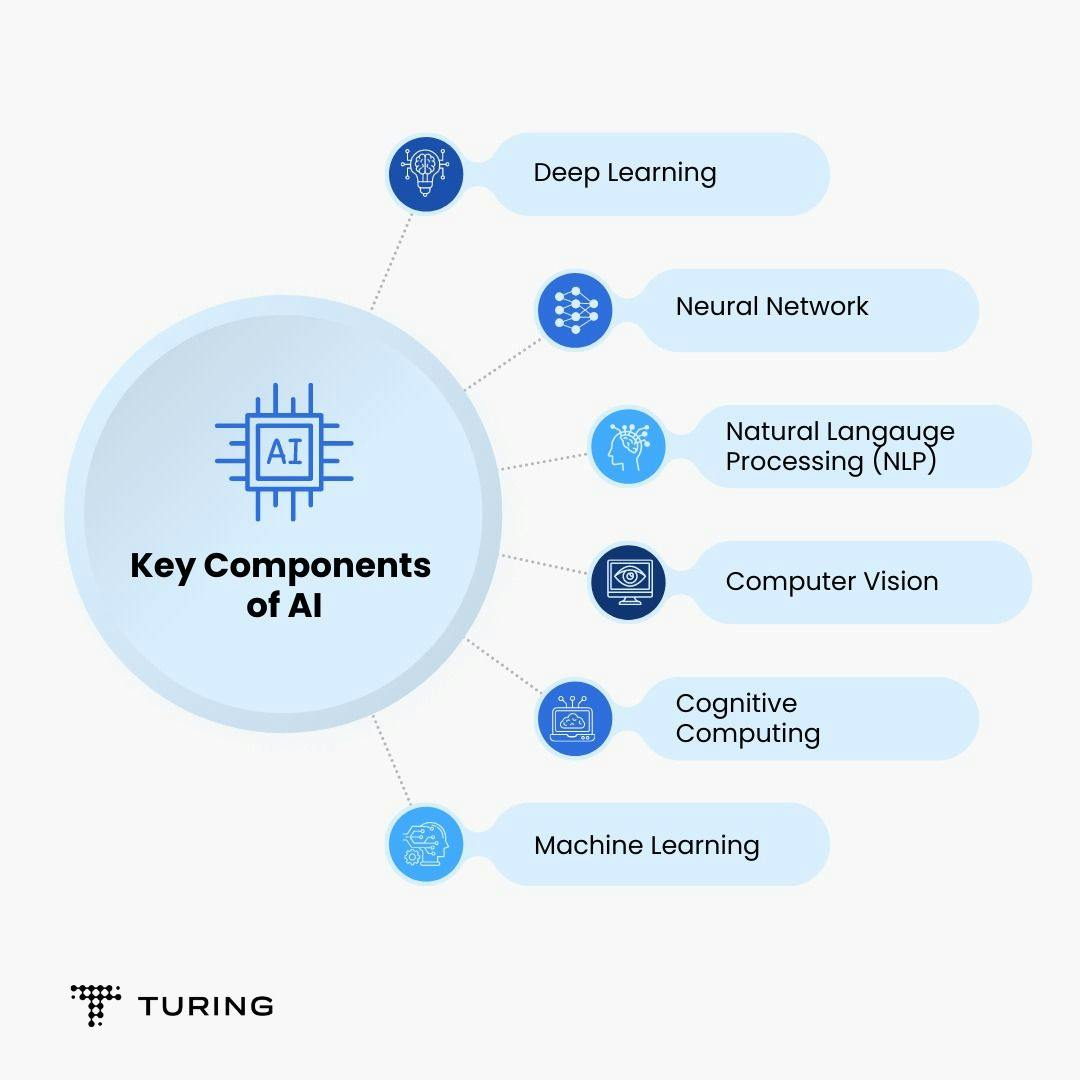
The acronym “AI” stands for “Artificial Intelligence.” It is a branch of computer science focused on creating systems capable of performing tasks that typically require human intelligence. These tasks include understanding natural language, recognizing patterns, solving problems, and making decisions.
The Evolution of AI
Artificial Intelligence has evolved significantly since its inception. Initially conceptualized in the mid-20th century, AI has grown from simple rule-based systems to complex algorithms capable of learning and adapting. Today, AI technologies are integrated into various applications, from virtual assistants like Siri and Alexa to advanced data analysis tools used in industries such as healthcare and finance.
Types of AI
- Narrow AI: Also known as weak AI, this type is designed to perform a specific task. Examples include facial recognition software and recommendation algorithms.
- General AI: Often referred to as strong AI or AGI (Artificial General Intelligence), this is a theoretical form of AI that possesses the ability to understand, learn, and apply intelligence across a wide range of tasks at a human level.
- Superintelligent AI: This hypothetical form exceeds human intelligence in all aspects. It remains largely speculative but is a topic of interest among researchers and futurists.
Applications of AI
The applications of artificial intelligence are vast and continue to expand. Here are some key areas where AI plays an influential role:
- Healthcare: AI assists in diagnosing diseases, personalizing treatment plans, and managing patient data efficiently.
- Finance: From fraud detection to algorithmic trading, AI helps streamline financial operations and improve decision-making processes.
- Transportation: Autonomous vehicles use artificial intelligence for navigation and safety features.
- E-commerce: Personalized shopping experiences and inventory management are enhanced through machine learning algorithms.
The Future of AI
The future of artificial intelligence holds immense potential for innovation across all sectors. As technology advances, ethical considerations regarding privacy, job displacement, and decision-making transparency will become increasingly important. Researchers continue to explore ways to ensure that the development of artificial intelligence aligns with societal values while maximizing its benefits.
In conclusion, while “AI” may simply stand for “Artificial Intelligence,” its implications are far-reaching. As we continue to integrate these technologies into our daily lives, understanding their capabilities and limitations will be crucial in shaping a future where humans and machines coexist harmoniously.
Understanding AI: Definition, Types, Applications, and Future Prospects
- What does AI stand for?
- What is the meaning of AI?
- What are the types of AI?
- How is AI used in different industries?
- What is the future of AI?
What does AI stand for?
AI stands for “Artificial Intelligence,” a field of computer science dedicated to creating systems and technologies that can perform tasks typically requiring human intelligence. These tasks include learning, reasoning, problem-solving, understanding natural language, and perception. Artificial Intelligence encompasses a variety of applications, from virtual assistants like Siri and Alexa to complex data analysis tools used in industries such as healthcare and finance. As AI continues to evolve, it plays an increasingly significant role in shaping the future of technology and society by enhancing efficiency and opening new possibilities across various sectors.
What is the meaning of AI?
AI stands for “Artificial Intelligence,” which refers to the simulation of human intelligence in machines designed to think and act like humans. The meaning of AI encompasses a wide range of capabilities, including learning, reasoning, problem-solving, perception, and language understanding. AI systems are engineered to perform tasks that typically require human cognitive functions, such as recognizing speech, making decisions based on data analysis, or even playing complex games like chess. As technology advances, the scope of what AI can achieve continues to expand, influencing various industries and aspects of daily life.
What are the types of AI?
When discussing the types of AI, it is important to understand the different levels at which artificial intelligence operates. The first type is Narrow AI, also known as weak AI, which is designed to perform a specific task or a set of tasks. Examples include voice assistants like Siri and Alexa, as well as recommendation systems used by streaming services. The second type is General AI, or strong AI, which refers to a theoretical form of intelligence that could understand, learn, and apply knowledge across various domains at a human-like level. Although it remains largely conceptual and hasn’t been realized yet, it represents the goal of many researchers in the field. Lastly, there is Superintelligent AI, a hypothetical concept where an AI surpasses human intelligence in all aspects. While this remains speculative and raises numerous ethical considerations, it continues to be an area of interest for futurists and scholars alike.
How is AI used in different industries?
Artificial Intelligence (AI) is transforming a wide array of industries by enhancing efficiency, accuracy, and innovation. In healthcare, AI is used for predictive analytics to forecast patient outcomes, automate administrative tasks, and assist in complex diagnostics through image recognition. The finance industry leverages AI for fraud detection, risk management, and personalized banking experiences through chatbots and virtual assistants. In the automotive sector, AI powers autonomous vehicles and advanced driver-assistance systems to improve safety and navigation. Retailers use AI to optimize supply chains, personalize customer experiences with recommendation engines, and manage inventory with precision. Additionally, in manufacturing, AI-driven robots are employed for assembly line automation and quality control. Across these industries and more, AI continues to revolutionize processes by providing data-driven insights and augmenting human capabilities.
What is the future of AI?
The future of AI is poised to be transformative, with advancements expected to revolutionize various industries and aspects of daily life. As AI technologies continue to evolve, they are likely to become more integrated into sectors such as healthcare, where they can enhance diagnostic accuracy and personalize treatment plans. In transportation, AI could lead to safer and more efficient autonomous vehicles. Additionally, the development of artificial general intelligence (AGI) remains a significant research goal, aiming for machines that can understand and perform tasks across a wide range of disciplines with human-like proficiency. However, the future of AI also raises important ethical considerations, including issues related to privacy, job displacement, and the need for transparent decision-making processes. As society navigates these challenges, ensuring that AI develops in a way that aligns with human values will be crucial for maximizing its benefits while minimizing potential risks.