The Power of Situational Interview Questions in Hiring
Interviews are a crucial part of the hiring process, allowing employers to assess a candidate’s qualifications, skills, and fit for the role. Among the various types of interview questions used by recruiters, situational interview questions have gained popularity for their effectiveness in evaluating a candidate’s problem-solving abilities and decision-making skills.
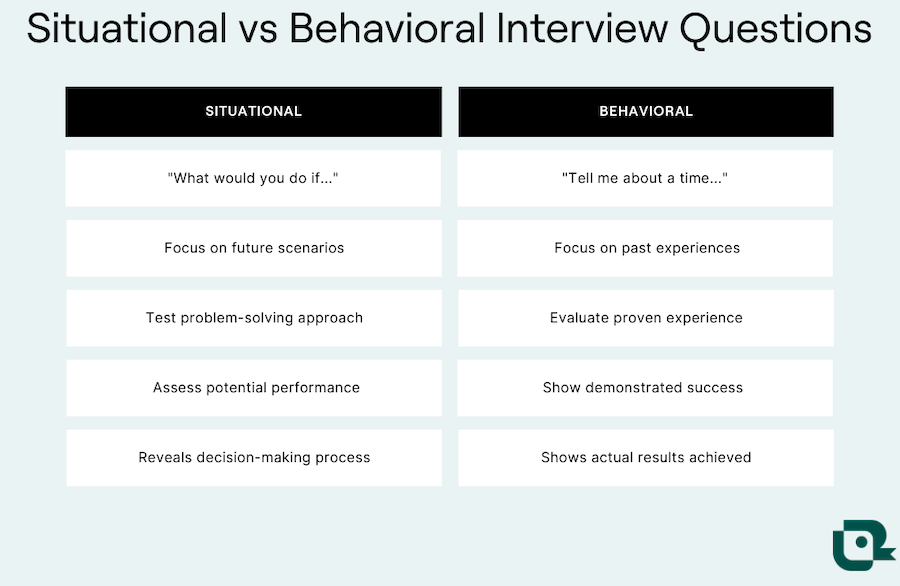
Situational interview questions present candidates with hypothetical scenarios that they may encounter in the workplace. These questions require applicants to analyze the situation, identify key issues, and propose solutions based on their past experiences or knowledge.
One of the key benefits of using situational interview questions is that they provide valuable insights into how candidates approach challenges and make decisions under pressure. By asking candidates to describe how they would handle specific situations, employers can gauge their critical thinking skills, communication abilities, and ability to adapt to different circumstances.
Moreover, situational interview questions help recruiters assess a candidate’s fit for the company culture and the demands of the role. By presenting realistic scenarios related to the job responsibilities, employers can determine whether a candidate possesses the necessary skills and qualities to excel in the position.
When preparing for a job interview that includes situational questions, candidates should be ready to draw upon their past experiences and provide concrete examples of how they have successfully navigated similar situations in the past. It is essential for applicants to demonstrate their problem-solving skills, resilience, and ability to collaborate with others effectively.
In conclusion, situational interview questions offer a valuable tool for employers seeking to make informed hiring decisions. By evaluating candidates’ responses to hypothetical scenarios, recruiters can gain deeper insights into their capabilities and potential contributions to the organization. For job seekers, mastering situational interview questions can enhance their chances of standing out as strong candidates who are well-equipped to tackle challenges in today’s dynamic work environment.
Mastering Situational Interviews: 6 Essential Tips for Success
- Research common situational interview questions beforehand.
- Use the STAR method (Situation, Task, Action, Result) to structure your responses.
- Provide specific examples from past experiences to illustrate your skills and abilities.
- Focus on how you handled challenges and achieved positive outcomes in previous situations.
- Be concise and to the point when answering situational interview questions.
- Showcase your problem-solving skills, adaptability, and ability to work well under pressure.
Research common situational interview questions beforehand.
Before heading into a job interview, it is advisable to research common situational interview questions beforehand. By familiarizing yourself with typical scenarios that may be presented during the interview, you can prepare thoughtful responses that showcase your problem-solving abilities and decision-making skills. This proactive approach allows you to demonstrate your readiness to tackle challenges and align your answers with the expectations of the hiring manager, increasing your chances of making a positive impression and standing out as a qualified candidate for the position.
Use the STAR method (Situation, Task, Action, Result) to structure your responses.
When tackling situational interview questions, employing the STAR method (Situation, Task, Action, Result) can significantly enhance the structure and effectiveness of your responses. Begin by outlining the specific Situation or scenario you faced, followed by detailing the Task at hand and the objectives to be achieved. Next, describe the Action you took to address the situation, highlighting your decision-making process and problem-solving skills. Conclude your response by emphasizing the Result of your actions, including any positive outcomes or lessons learned from the experience. By using the STAR method, you can provide a clear and comprehensive narrative that showcases your abilities and demonstrates your readiness to handle similar challenges in a professional setting.
Provide specific examples from past experiences to illustrate your skills and abilities.
When responding to situational interview questions, it is essential to provide specific examples from past experiences to illustrate your skills and abilities effectively. By sharing concrete instances where you have successfully handled similar situations in the past, you demonstrate your practical knowledge and competency in action. These real-life examples not only showcase your problem-solving capabilities but also give the interviewer a clear understanding of how you approach challenges and make decisions. Drawing on specific experiences allows you to paint a vivid picture of your qualifications and expertise, making a compelling case for why you are the ideal candidate for the role.
Focus on how you handled challenges and achieved positive outcomes in previous situations.
When responding to situational interview questions, it is essential to focus on how you effectively handled challenges and achieved positive outcomes in previous situations. By highlighting specific examples of your problem-solving skills and decision-making abilities, you can demonstrate to the interviewer your ability to navigate difficult circumstances and deliver successful results. Providing concrete details about the actions you took, the strategies you implemented, and the impact of your efforts will showcase your competency and readiness to tackle similar challenges in the prospective role.
Be concise and to the point when answering situational interview questions.
When responding to situational interview questions, it is essential to be concise and direct in your answers. By keeping your responses focused and to the point, you demonstrate clarity of thought and effective communication skills. Avoid unnecessary details or tangents that may distract from the main point you are trying to convey. Being succinct in your answers not only showcases your ability to articulate ideas clearly but also ensures that you address the core elements of the scenario effectively. Remember, brevity can enhance the impact of your responses and leave a lasting impression on the interviewer.
Showcase your problem-solving skills, adaptability, and ability to work well under pressure.
When responding to situational interview questions, it is essential to showcase your problem-solving skills, adaptability, and ability to work well under pressure. Employers often use these questions to assess how candidates approach challenges and make decisions in real-life scenarios. By highlighting examples that demonstrate your ability to think critically, adapt to changing circumstances, and remain composed under pressure, you can convey your readiness to tackle the demands of the role effectively. Emphasizing these qualities in your responses can help you stand out as a candidate who is well-prepared to navigate complex situations and contribute positively to the team.