The Rise of AI Paintings: A New Era in Art
In recent years, artificial intelligence has made significant strides, influencing various sectors, including the art world. AI paintings are at the forefront of this transformation, challenging traditional notions of creativity and authorship. This article explores how AI is reshaping the art landscape and what it means for artists and art enthusiasts alike.
What Are AI Paintings?
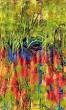
AI paintings are artworks created using algorithms and machine learning techniques. These systems analyze vast datasets of existing artwork to understand styles, techniques, and patterns. By learning from these data sets, AI can generate new images that mimic or even innovate upon traditional styles.
One popular method for creating AI paintings is through Generative Adversarial Networks (GANs). GANs consist of two neural networks: a generator that creates images and a discriminator that evaluates them. Through this process, the generator improves over time, producing increasingly sophisticated pieces.
The Impact on the Art World
The emergence of AI paintings has sparked debates about originality and creativity. Traditionally, art has been seen as an inherently human endeavor, driven by emotion and personal experience. However, AI challenges this notion by demonstrating that machines can produce works that evoke emotional responses in viewers.
Some critics argue that AI-generated art lacks authenticity because it does not originate from human experience. Others see it as a new tool for artists to explore creative boundaries and collaborate with technology in innovative ways.
Notable Examples
- “Edmond de Belamy”: In 2018, an AI-generated portrait titled “Edmond de Belamy” was auctioned at Christie’s for $432,500. The painting was created by Paris-based collective Obvious using a GAN trained on historical portraits.
- DeepArt: DeepArt uses neural networks to transform photographs into artworks styled after famous painters like Van Gogh or Picasso. The app allows users to create personalized digital artworks effortlessly.
- AICAN: Developed by Rutgers University professor Ahmed Elgammal, AICAN is an autonomous creative system capable of producing original artworks without human intervention.
The Future of AI in Art
The future of AI in art holds exciting possibilities. As technology advances, so will the capabilities of these systems to create more complex and nuanced works. Artists may increasingly use AI as a collaborative partner rather than a mere tool.
Moreover, the democratization of art creation through accessible AI tools could lead to a more diverse range of voices contributing to the art world. This shift might redefine what it means to be an artist in the digital age.
Conclusion
AI paintings represent a fascinating intersection between technology and creativity. While they raise questions about authorship and authenticity, they also offer new opportunities for artistic expression. As we continue to explore this evolving field, one thing is certain: the dialogue between humans and machines will shape the future of art in unforeseen ways.
Exploring AI Art: Common Questions Answered
- Who is the wealthiest living artist?
- What app is everyone using for AI paintings?
- Can AI generate NSFW art?
- Can I use AI to make a painting?
- Where can I create AI art?
- Can AI create paintings?
Who is the wealthiest living artist?
The question of who is the wealthiest living artist is a common inquiry among art enthusiasts and individuals curious about the financial success of contemporary artists. While determining the exact answer can be complex due to fluctuating market values and varying sources of income, artists like Jeff Koons, Damien Hirst, and David Hockney are often cited as some of the wealthiest living artists based on their high auction prices, lucrative gallery deals, and widespread commercial success. Their ability to command high prices for their artworks in prestigious galleries and auctions contributes to their reputation as financially successful figures in the art world.
What app is everyone using for AI paintings?
In the realm of AI-generated art, several apps have gained popularity for their ability to transform photos into stunning artworks. One of the most widely used apps is DeepArt, which uses neural networks to apply the styles of famous artists like Van Gogh or Picasso to user-uploaded images, creating a unique fusion of classic art and modern technology. Another popular choice is Artbreeder, an online platform that allows users to blend different images and explore creative possibilities through AI-driven tools. Additionally, apps like Prisma offer similar features by turning ordinary photos into artistic pieces with various filters inspired by renowned artistic styles. These apps are making it easier than ever for individuals to experiment with AI art and create personalized masterpieces with just a few taps on their devices.
Can AI generate NSFW art?
AI can indeed generate NSFW (Not Safe For Work) art, as it is capable of creating images based on the data it has been trained on. If an AI model is exposed to datasets containing adult or explicit content, it can produce artwork that falls into the NSFW category. However, the generation of such content raises ethical and legal concerns, including issues related to consent, copyright, and the potential for misuse. Many platforms and developers impose restrictions or guidelines to prevent AI from creating inappropriate or harmful content. It’s crucial for those using AI technology to be aware of these considerations and ensure that any generated content aligns with community standards and legal regulations.
Can I use AI to make a painting?
Yes, you can use AI to make a painting. Various AI tools and platforms are available that allow individuals, regardless of their artistic background, to create unique artworks. These tools typically use algorithms and machine learning models like Generative Adversarial Networks (GANs) to generate images based on input data or user preferences. Users can upload photos or choose specific styles they want the AI to emulate, resulting in a piece that combines their vision with the machine’s capabilities. This process democratizes art creation, enabling more people to explore their creativity through technology while experimenting with different artistic styles and techniques.
Where can I create AI art?
Creating AI art has become increasingly accessible thanks to a variety of online platforms and tools designed for both beginners and experienced artists. Websites like DeepArt, Artbreeder, and RunwayML offer user-friendly interfaces where individuals can generate unique artworks using AI algorithms. These platforms typically allow users to upload images or select styles that the AI then uses to transform or generate new pieces. Additionally, some applications like DALL-E and Midjourney provide more advanced options for creating AI art by allowing users to input text prompts that the AI interprets into visual art. With these tools readily available, anyone with an interest in digital creativity can explore the fascinating world of AI-generated art from the comfort of their own home.
Can AI create paintings?
Yes, AI can create paintings. Using advanced algorithms and machine learning techniques, AI systems analyze extensive datasets of existing artworks to learn styles, techniques, and patterns. One common approach involves Generative Adversarial Networks (GANs), where two neural networks work together—one generating images and the other evaluating them. Through this process, AI can produce paintings that mimic traditional styles or even innovate new ones. While these creations often spark debates about originality and creativity, they demonstrate that AI has the capability to generate visually compelling art pieces that can evoke emotional responses in viewers.