Global Goals: A Shared Roadmap for a Better Future
Challenges such as poverty, climate change, inequality, and limited access to education cross national borders. Addressing them takes more than isolated solutions. The United Nations’ Sustainable Development Goals—often called the Global Goals—offer a shared roadmap for improving people’s lives while protecting the planet.
What Are the Global Goals?
Adopted by United Nations member states in 2015 as part of the 2030 Agenda for Sustainable Development, the Global Goals consist of 17 connected goals. They cover social well-being, economic opportunity, environmental protection, and the institutions and partnerships needed to support progress. The goals apply to every country, though priorities and approaches may differ from place to place.
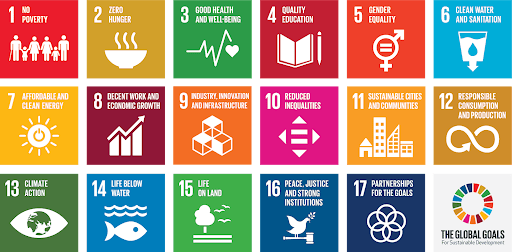
The 17 Sustainable Development Goals
- No Poverty: End poverty in all its forms and strengthen support for people facing hardship.
- Zero Hunger: Improve food security and nutrition while promoting sustainable agriculture.
- Good Health and Well-Being: Support healthy lives and access to quality health care.
- Quality Education: Expand inclusive, equitable education and lifelong learning.
- Gender Equality: Advance equal rights, opportunities, and safety for women and girls.
- Clean Water and Sanitation: Improve access to safe water and sanitation and protect water resources.
- Affordable and Clean Energy: Expand access to reliable, sustainable, and modern energy.
- Decent Work and Economic Growth: Promote productive employment, fair working conditions, and sustainable economic growth.
- Industry, Innovation, and Infrastructure: Build resilient infrastructure and encourage inclusive, sustainable innovation.
- Reduced Inequalities: Address disparities within and among countries.
- Sustainable Cities and Communities: Make communities safer, more inclusive, and more resilient.
- Responsible Consumption and Production: Reduce waste and use resources more sustainably.
- Climate Action: Respond to climate change and its effects.
- Life Below Water: Protect oceans and marine resources.
- Life on Land: Conserve ecosystems, forests, and biodiversity.
- Peace, Justice, and Strong Institutions: Support peaceful societies, access to justice, and accountable institutions.
- Partnerships for the Goals: Strengthen cooperation and resources to make progress possible.
Why the Goals Are Connected
The goals are designed to work together. For example, access to clean water can improve health, support education, and help communities adapt to climate pressures. Affordable clean energy can reduce pollution while opening opportunities for homes and businesses. Likewise, economic growth that depends on environmental harm or excludes parts of the population may undermine progress elsewhere.
This interconnected approach matters because solutions can have both benefits and trade-offs. A new infrastructure project, for instance, may create jobs and improve transportation, but it should also account for environmental impacts and the needs of nearby communities. Considering several goals together can help decision-makers identify more durable solutions.
Turning Ambition Into Progress
Setting goals does not guarantee results. Progress depends on practical policies, adequate funding, reliable data, and cooperation among governments, businesses, community organizations, researchers, and the public. It also requires paying attention to who benefits from change—and who might be left behind.
Local action is an important part of this work. Cities can improve public transit and housing; schools can expand access to learning; companies can reduce waste in their supply chains; and community groups can help identify needs that broad plans might overlook. Individuals can also contribute by getting involved locally, supporting responsible organizations, and making informed choices where possible. Individual actions matter, but large-scale progress also requires institutional and systemic change.
A Roadmap, Not a Guarantee
The Global Goals are not a promise that every problem will be solved by a particular date. They are a framework for setting priorities, measuring progress, and encouraging cooperation across borders and sectors. Their value lies partly in making shared challenges visible and giving people a common language for discussing solutions.
Building a more sustainable and equitable future is a long-term effort. The Global Goals offer direction, but progress depends on continued commitment, honest evaluation, and action that reflects the realities of different communities. The work begins by connecting broad ambitions to meaningful changes in people’s daily lives.
Understanding the Global Goals: Key Questions and Answers
- What are the Global Goals?
- Who created the Global Goals?
- How many Global Goals are there?
- What is the purpose of the Global Goals?
- When are the Global Goals supposed to be achieved?
- How are the Global Goals different from the Millennium Development Goals?
- Why are the Global Goals important?
- How can individuals help achieve the Global Goals?
- How is progress toward the Global Goals measured?
What are the Global Goals?
The Global Goals, officially known as the United Nations Sustainable Development Goals (SDGs), are 17 shared goals adopted by UN member states in 2015 as part of the 2030 Agenda for Sustainable Development. They address interconnected challenges such as poverty, hunger, health, education, inequality, climate change, and environmental protection. The goals provide a common framework for countries and communities to work toward a more peaceful, prosperous, and sustainable future, while ensuring that no one is left behind.
Who created the Global Goals?
The Global Goals, officially known as the Sustainable Development Goals, were created through a United Nations-led process involving UN member states, civil society organizations, experts, and people around the world. In 2015, all UN member states adopted the 2030 Agenda for Sustainable Development, which includes the 17 goals. The agenda builds on earlier international efforts, including the Millennium Development Goals.
How many Global Goals are there?
There are 17 Global Goals, officially known as the United Nations Sustainable Development Goals (SDGs). Adopted in 2015, they address global challenges including poverty, health, education, inequality, and climate change, with the aim of building a more sustainable and equitable future by 2030.
What is the purpose of the Global Goals?
The purpose of the Global Goals is to provide a shared roadmap for addressing major challenges such as poverty, hunger, inequality, climate change, and limited access to education and health care. Adopted by United Nations member states in 2015, the 17 Sustainable Development Goals encourage countries and communities to work toward a more equitable, prosperous, and sustainable future by 2030—while ensuring that progress benefits everyone and protects the planet.
When are the Global Goals supposed to be achieved?
The Global Goals, also known as the Sustainable Development Goals, are intended to be achieved by 2030. Adopted by United Nations member states in 2015, they set a shared deadline for progress on issues such as poverty, health, education, inequality, and climate change. The 2030 target is an ambitious guide rather than a guarantee, and the pace of progress varies across goals and countries.
How are the Global Goals different from the Millennium Development Goals?
The Millennium Development Goals (MDGs) were eight goals adopted in 2000, focused largely on reducing poverty and improving health and education in developing countries by 2015. The Global Goals, formally known as the Sustainable Development Goals (SDGs), replaced them in 2015 with a broader set of 17 goals to be pursued by every country. They address social, economic, and environmental challenges together, emphasizing issues such as climate action, inequality, sustainable consumption, and strong institutions, with a commitment to leave no one behind.
Why are the Global Goals important?
The Global Goals are important because they provide a shared roadmap for addressing urgent challenges such as poverty, inequality, climate change, and limited access to education and health care. By connecting these issues, the goals encourage governments, businesses, communities, and individuals to work toward solutions that improve lives while protecting the planet. They also help track progress and highlight where more action is needed, with the aim of creating a more sustainable and equitable future for everyone.
How can individuals help achieve the Global Goals?
Individuals can help achieve the Global Goals by making thoughtful choices and taking action in their communities. This might include reducing food and energy waste, using public transportation when practical, supporting responsible businesses, volunteering, and speaking up for inclusive policies. People can also learn about local challenges, share reliable information, and hold institutions accountable for their commitments. While personal actions alone cannot solve global problems, they can build momentum and contribute to broader changes led by governments, businesses, and communities.
How is progress toward the Global Goals measured?
Progress toward the Global Goals is measured using a set of targets and indicators developed by the United Nations. Governments and international organizations collect data on topics such as poverty, health, education, and emissions, then use it to track changes over time and compare results across regions. Because data availability and quality can vary, national statistics agencies and other partners work to improve reporting. These measurements help identify where progress is being made, where gaps remain, and which communities may need more support.