The Power of Group Interviews: Enhancing the Hiring Process
In the realm of recruitment, group interviews have emerged as a valuable tool for employers seeking to assess candidates in a dynamic and interactive setting. Unlike traditional one-on-one interviews, group interviews offer unique advantages that can lead to more informed hiring decisions.
Benefits of Group Interviews
One of the key benefits of group interviews is the opportunity to observe how candidates interact with others. Employers can evaluate not only individual skills and qualifications but also interpersonal abilities such as communication, teamwork, and leadership. By placing candidates in a group setting, employers can gain insights into their collaborative skills and how they respond to different personalities and perspectives.
Furthermore, group interviews promote diversity and inclusivity in the hiring process. They provide a platform for candidates from various backgrounds to showcase their unique strengths and experiences. Employers can create a more inclusive environment by giving all participants an equal chance to contribute and shine.
Challenges and Considerations
While group interviews offer numerous benefits, they also present challenges that employers must navigate effectively. One common concern is ensuring that all candidates have an equal opportunity to participate and be heard. Employers must establish clear guidelines for the interview process to maintain fairness and avoid dominant personalities overshadowing others.
Additionally, managing group dynamics requires skillful facilitation to keep the conversation focused and productive. Employers may need to intervene if conflicts arise or if certain individuals monopolize the discussion. Effective communication and active listening are essential for creating a positive interview experience for all participants.
Tips for Success
- Set Clear Expectations: Provide candidates with information about the format of the group interview beforehand to help them prepare appropriately.
- Foster Collaboration: Encourage candidates to engage with each other respectfully and constructively during the interview process.
- Evaluate Individual Contributions: Assess each candidate’s performance based on their unique strengths and contributions within the group context.
- Solicit Feedback: Gather input from both candidates and interviewers after the group interview to identify areas for improvement in future sessions.
In conclusion, group interviews offer a dynamic approach to evaluating candidates that goes beyond traditional one-on-one assessments. By leveraging the power of collaboration and interaction, employers can gain valuable insights into candidate potential and suitability for roles within their organizations.
Mastering Group Interviews: Key Questions and Strategies for Success
- What is a group interview and how does it differ from a one-on-one interview?
- Why do employers conduct group interviews instead of individual interviews?
- How should I prepare for a group interview compared to a traditional interview?
- What are the benefits of participating in a group interview as a candidate?
- How can I stand out and make a positive impression during a group interview?
- What challenges might arise during a group interview, and how can they be addressed?
- Are there specific strategies or techniques that can help me succeed in a group interview?
What is a group interview and how does it differ from a one-on-one interview?
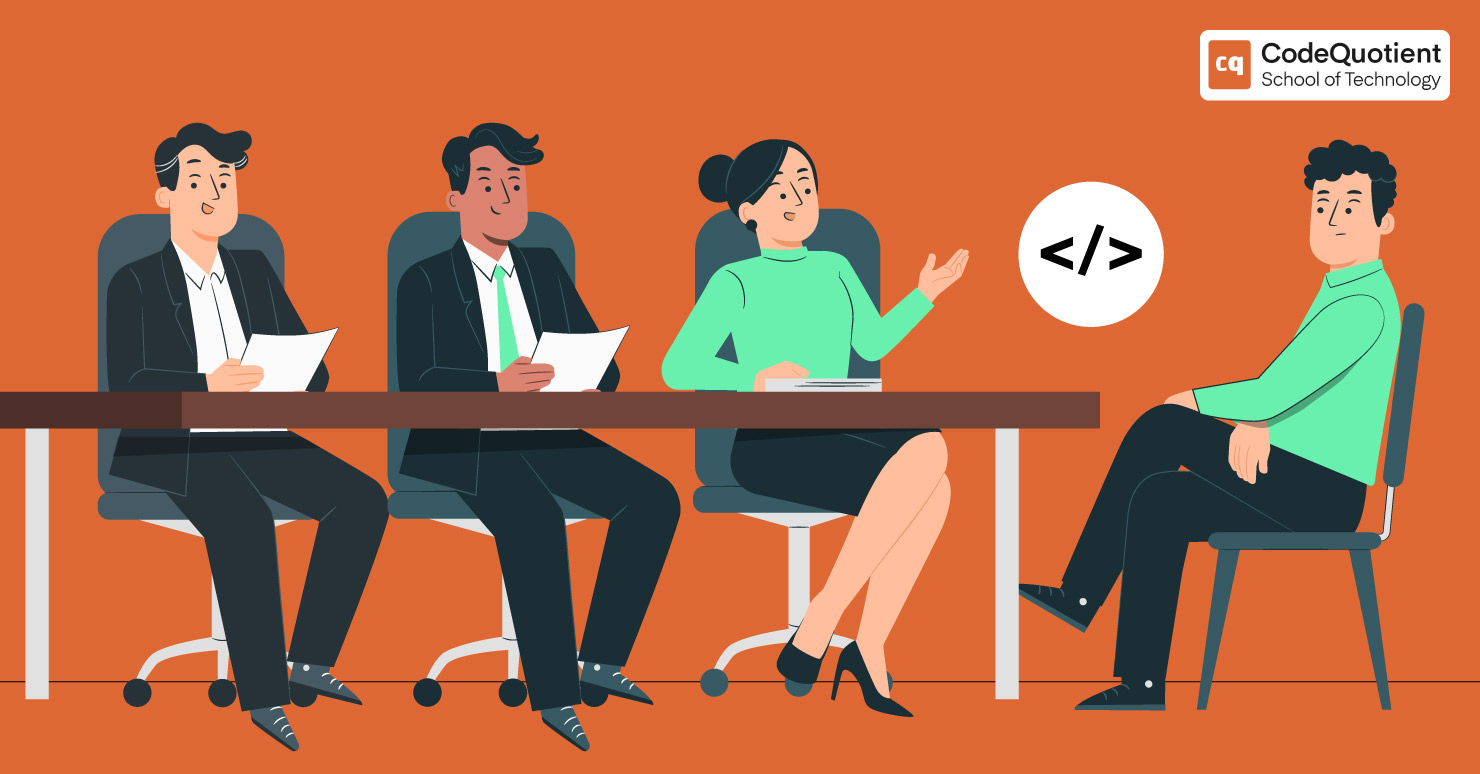
A group interview is a recruitment process where multiple candidates are assessed simultaneously by one or more interviewers. In a group interview, candidates participate in activities, discussions, or tasks together, allowing employers to observe their interactions and teamwork skills. This format differs from a traditional one-on-one interview, where a single candidate meets with an interviewer to discuss qualifications and experiences individually. Group interviews provide a unique opportunity for employers to evaluate not only individual capabilities but also how candidates collaborate, communicate, and problem-solve in a group setting. The emphasis in group interviews is on assessing interpersonal skills and how candidates engage with others, offering a more holistic view of their potential fit within the organization.
Why do employers conduct group interviews instead of individual interviews?
Employers opt for group interviews over individual interviews for several reasons. Group interviews provide a more efficient way to assess multiple candidates simultaneously, saving time and resources in the hiring process. They also offer employers the opportunity to observe how candidates interact in a team setting, showcasing their communication skills, teamwork abilities, and leadership potential. Additionally, group interviews promote diversity and inclusivity by allowing candidates from different backgrounds to showcase their unique strengths and perspectives. By conducting group interviews, employers can gain a comprehensive understanding of each candidate’s interpersonal skills and suitability for the role within a dynamic and collaborative environment.
How should I prepare for a group interview compared to a traditional interview?
When preparing for a group interview compared to a traditional interview, it is essential to focus on both individual readiness and group dynamics. In addition to researching the company and understanding the job requirements, candidates should also consider how their interpersonal skills will be assessed in a group setting. It is important to strike a balance between showcasing personal strengths and actively engaging with other candidates during group discussions. Being prepared to collaborate, listen attentively, and contribute meaningfully to group activities can set candidates apart in a group interview scenario. Additionally, practicing active listening and respectful communication can help candidates navigate the dynamics of a group interview successfully.
What are the benefits of participating in a group interview as a candidate?
Participating in a group interview as a candidate presents several benefits that can enhance the overall experience and showcase one’s qualifications effectively. One key advantage is the opportunity to demonstrate strong interpersonal skills, including communication, teamwork, and leadership abilities, in a collaborative setting. Candidates can also gain valuable insights into how they engage with others and navigate group dynamics, which can be crucial for roles that require effective interaction with colleagues and clients. Additionally, participating in a group interview allows candidates to showcase their adaptability and problem-solving skills in real-time scenarios, highlighting their ability to thrive in diverse environments and work effectively as part of a team.
How can I stand out and make a positive impression during a group interview?
To stand out and make a positive impression during a group interview, it is essential to showcase your unique strengths and contributions while also demonstrating strong interpersonal skills. Engage actively with other candidates by listening attentively, offering thoughtful insights, and fostering collaboration. Highlight your ability to work effectively in a team setting by demonstrating leadership qualities, communication skills, and a willingness to support and encourage others. Additionally, be prepared to share examples of your past experiences that illustrate your problem-solving abilities and adaptability. By being proactive, respectful, and confident in your interactions, you can differentiate yourself positively and leave a lasting impression on the interviewers.
What challenges might arise during a group interview, and how can they be addressed?
During a group interview, various challenges may arise that require careful management to ensure a fair and effective evaluation process. One common challenge is the dominance of certain individuals, which can hinder the participation of quieter candidates. To address this issue, interviewers can set clear guidelines for equal speaking opportunities and actively encourage all participants to share their thoughts. Another challenge is managing conflicting personalities within the group, which can disrupt the flow of the interview. Employers can mitigate this by fostering a collaborative environment where differences are respected and conflicts are addressed constructively. Effective facilitation, active listening, and promoting inclusivity are key strategies to overcome challenges in group interviews and create a positive experience for all candidates involved.
Are there specific strategies or techniques that can help me succeed in a group interview?
Navigating a group interview successfully requires a strategic approach and effective communication skills. To excel in a group interview, consider implementing specific strategies such as active listening, collaboration, and showcasing your unique strengths. Engage with other candidates respectfully, contribute thoughtfully to discussions, and demonstrate your ability to work well in a team setting. Additionally, highlighting your leadership skills, problem-solving abilities, and adaptability can set you apart from the competition. Remember to balance assertiveness with inclusivity, showcase your interpersonal skills, and remain flexible in responding to different scenarios presented during the group interview. By preparing thoroughly and employing these techniques, you can increase your chances of standing out and making a positive impression on potential employers.